Procrastination is Emotion Regulation
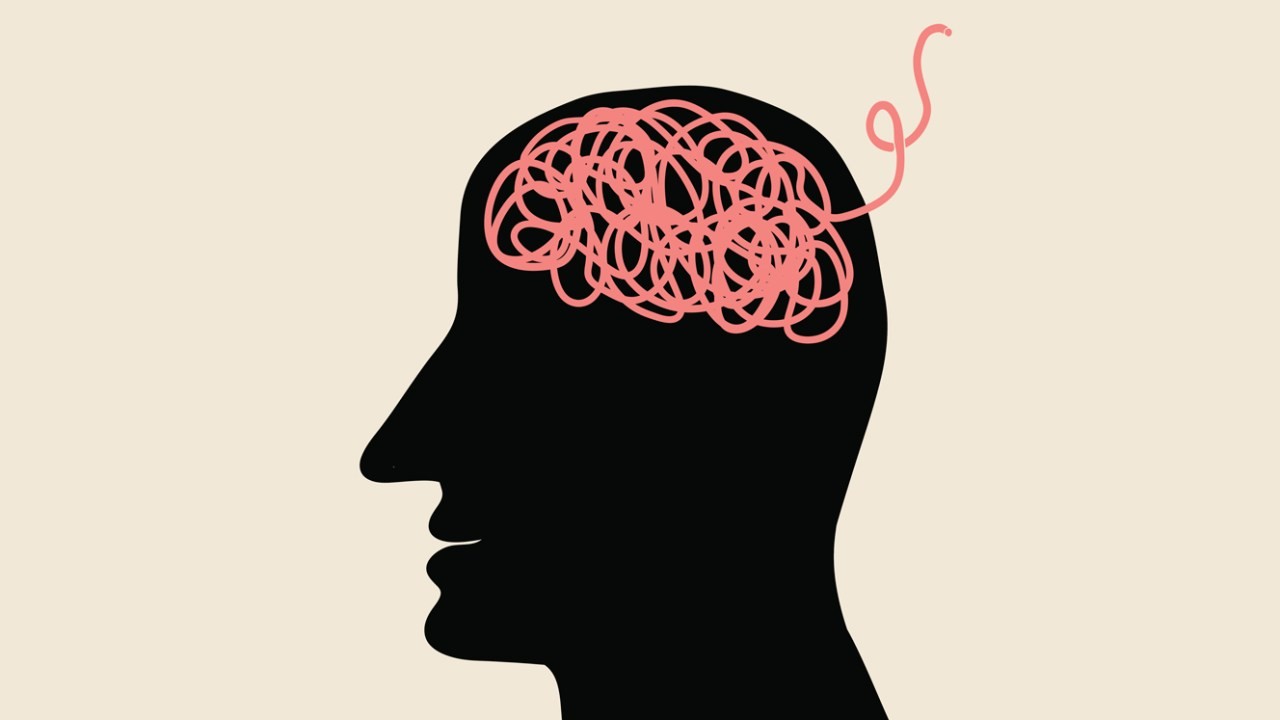
Procrastination functions as emotion regulation, stemming from emotional defense mechanisms rather than poor time management skills or a lack of discipline. When a task triggers uncomfortable feelings like anxiety, self-doubt, or deep boredom, your brain naturally seeks relief by steering you toward a safer, more rewarding activity.
You might look at an unopened billing letter, a blank presentation slide, or a sink full of dirty dishes and feel a sudden spike of discomfort. Instead of pushing through that heavy feeling, you find yourself organizing your bookshelf, checking social media, or clearing out old emails. That shift is deliberate on a neurological level. It is a quick attempt to escape an unpleasant emotional state right now, even if delaying the task causes more stress later in the week.
Why traditional time management tools fail
If procrastination were simply about not knowing what time it is or failing to plan, a calendar app or a detailed to-do list would fix it instantly. Many adults with ADHD have dozens of half-used planners, colorful schedules, and phone alarms that end up ignored.
The reason these tools often sit unused is that they treat task avoidance as an information problem. A schedule tells you when to do something, but it does not remove the emotional friction of doing it. When you look at your calendar and see a block for writing a difficult work report, your body reacts to the stress of that report, not the time block itself. If the task makes you feel incompetent or overwhelmed, your brain treats the calendar notification as a prompt to seek safety.
When you experience high emotional friction, your brain prioritizes immediate mood repair over long-term goals. Reading about managing intense emotions helps show why standard advice like sitting down and pushing through fails when your nervous system feels overwhelmed.
The uncomfortable feelings behind task avoidance
Every avoided task has a specific emotional weight attached to it. Recognizing the exact feeling behind your resistance makes the problem far easier to handle.
Fear of failure is a frequent trigger. When you care about doing a good job, the thought of producing something mediocre can feel intolerable. Writing a project outline becomes threatening because a poor outline feels like proof that you cannot handle your job responsibilities. To protect your self-esteem, your brain postpones starting the work.
Boredom can feel physically exhausting for an ADHD brain. When a task lacks stimulation, such as filing expense reports or updating spreadsheets, your brain experiences a sharp drop in engagement. Procrastinating on tedious chores is often a frantic search for brain stimulation, driving you toward quick sources of interest like news feeds or tidying a desk.
Uncertainty creates another barrier. When a task has vague boundaries, like plan the team outing or clean the garage, your brain cannot easily see the physical actions required. This lack of clarity triggers confusion and overwhelm, which your brain reads as a signal to pull away. This experience is closely related to overcoming the wall of awful, where emotional resistance builds up like an invisible barrier around routine activities.
How to identify what you are trying to escape
Breaking the cycle begins with honest reflection before you attempt to force action. Instead of calling yourself lazy or telling yourself to try harder, pause and ask a direct question: what specific feeling am I trying to avoid right now?
Naming the emotion shifts your brain from reacting automatically to observing your state. When you say out loud, I am avoiding this email because I am afraid the recipient will be disappointed, the vague threat transforms into a specific challenge.
Consider a desk covered in unsent forms. The physical paperwork is not heavy, but the guilt over delaying it for three weeks makes picking up a pen feel exhausting. Once you recognize that guilt is the real obstacle, you can address the guilt directly instead of blaming your ability to manage time.
Practical ways to reframe emotional friction
Once you identify the emotional block, your strategy must focus on reducing the emotional intensity rather than pushing harder against it. Changing your approach to the starting line allows your brain to stay calm enough to take action.
- Name the exact emotion: Write down the specific fear, boredom, or self-doubt you feel about the task so it loses its vagueness.
- Focus on process instead of outcome: Lower your expectations completely by aiming to work for five minutes rather than finishing a complete project.
- Shrink the target to a tiny size: Reduce the initial step until it creates zero anxiety or hesitation.
- Separate planning from doing: Decide what physical object to touch first before you actually begin working on the task.
Shifting your attention away from the finished result and toward the immediate step is essential. If your goal is write a complete report, the magnitude of the project keeps the anxiety alive. If your goal is open a blank document and type three words, the emotional bar drops low enough for you to cross it. Working with the art of micro-steps provides a structure for breaking down heavy momentum killers.
Another effective strategy is removing the demand for perfection. Allow yourself to create a messy draft. When you explicitly give yourself permission to do poor work, the fear of failure vanishes because low quality was your deliberate target. Once momentum starts, finishing the rest becomes significantly easier.
How Untangle can help
When emotional resistance freezes you, taking the first step on a huge task can feel impossible on your own. Untangle includes a feature called Tiny steps designed to lift that heavy emotional burden. It breaks your intimidating projects into small manageable actions, making sure every task starts with an easy five minute first step. By lowering the initial friction, it helps your brain move past task paralysis without forcing you to fight your feelings.
This guide is educational and is not medical advice. Talk to a qualified clinician about your own situation.
Frequently asked questions
Why is procrastination considered an emotion regulation issue?
Procrastination occurs when a task triggers uncomfortable feelings like anxiety, boredom, or self-doubt. Your brain avoids the task to quickly escape those negative feelings and find immediate relief, making procrastination an emotional defense mechanism rather than a time management failure.
How can I tell if my procrastination is caused by anxiety or boredom?
Pay attention to how your body feels when thinking about starting. If you feel tightness, worry, or fear of making mistakes, anxiety is driving the avoidance. If you feel heavy fatigue, restlessness, or a search for stimulation, boredom is the primary trigger.
Why do traditional planners not stop me from procrastinating?
Planners only show when to complete a task, but they do not reduce the emotional friction or fear attached to that task. When a scheduled event triggers discomfort, your brain treats the calendar notification as a threat and avoids it despite having a plan.
What is the fastest way to start a task I am avoiding?
Reduce the initial step until it feels absurdly easy, such as opening a document or setting a timer for two minutes. Focusing on a brief period of process rather than a finished outcome lowers emotional resistance enough to build initial momentum.
Keep reading
Managing Intense Emotions
Learn why ADHD causes intense emotional reactions and discover practical strategies for managing intense emotions, pausing before reacting, and finding calm.

Overcoming the Wall of Awful
Learn how overcoming the wall of awful helps adults with ADHD break through task paralysis, shrink emotional friction, and get started without stress.
ADHD Workplace Accommodations: Practical Setup Guide
Discover practical ADHD workplace accommodations that help you focus, organize tasks, and manage overwhelm without unnecessary stress at work.
Thoughts & Reflections