Managing Intense Emotions
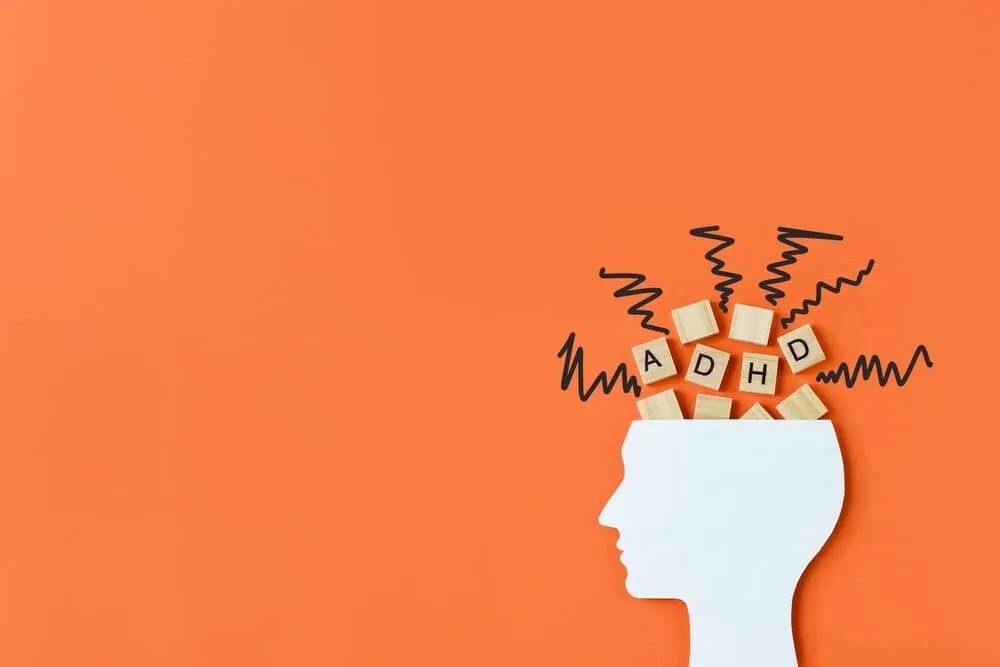
When you have ADHD, managing intense emotions often feels like trying to steer a boat through a sudden flash flood. Feelings hit quickly and intensely, turning mild annoyance into sharp anger or a small disappointment into overwhelming heartbreak. This intensity happens because ADHD affects how your brain regulates the volume of your emotional responses, making it difficult to pause before reacting.
Many adults spend years believing that emotional volatility is a personal flaw or a lack of self-control. It helps to understand that emotional regulation is a core executive function. When executive functioning is taxed, the brain struggles to filter incoming sensations and feelings. A spilled cup of coffee or an unexpected shift in your schedule can spark a reaction that feels completely out of proportion to the event itself.
Why emotions feel so intense with ADHD
The connection between focus and feeling is deep. The same neural pathways responsible for organizing tasks, holding information in working memory, and directing attention are also involved in managing how strongly you react to experiences. You can learn more about how these systems function in our guide to inside the ADHD brain.
In a neurotypical brain, there is usually a subtle buffer between receiving an emotional trigger and acting on it. That buffer acts like a natural dimmer switch. With ADHD, that dimmer switch often acts more like an on-off light switch. You go from calm to fully consumed in a split second. This rapid shift makes feelings seem big, loud, and immediate.
This high emotional capacity is not entirely negative. It is often the source of deep empathy, fierce passion for projects, and genuine enthusiasm for the things you love. However, when negative emotions take over, the sheer speed of the reaction can strain workplace conversations, personal relationships, and your own physical wellbeing.
Common triggers that set off emotional storms
Intense emotional reactions rarely happen in a vacuum. They are usually sparked by specific conditions that clash with how your brain operates. Recognizing your personal triggers makes it easier to anticipate a wave of feeling before it crests.
One major trigger is sudden change. If you have spent energy building mental momentum for a specific plan, having that plan altered at the last minute forces your brain to switch tracks instantly. That sudden cognitive demand often manifests as immediate frustration or irritability.
Another frequent trigger is feeling unheard, misunderstood, or rejected. Adults with ADHD often carry a heightened sensitivity to social evaluation. A brief comment from a coworker or a delayed reply to a text message can feel like sharp rejection. This phenomenon is closely tied to social stress, which you can read about in our article on understanding rsd.
Physical exhaustion, hunger, sensory overload, and task transitions are also quiet triggers. When your nervous system is already working hard to process a noisy room or complete a boring task, your emotional baseline drops, leaving very little room to absorb minor stresses.
Name the emotion to start cooling down
When a wave of intense feeling hits, your immediate instinct might be to fight it, hide it, or act on it right away. A simple, effective step to change this pattern is putting exact words to what you are experiencing in the moment.
Saying out loud or writing down plain statements like "I am feeling overwhelmed by this project" or "I am feeling angry because I was interrupted" shifts your cognitive focus. When you give an emotion a precise name, you move your mental energy away from pure automatic reaction and toward conscious observation.
This practice does not mean forcing yourself to sound calm or pretending you are fine when you are not. It simply means stepping back far enough to describe the experience. Instead of becoming the anger or the anxiety, you become the person noticing the anger or the anxiety.
To make this habit easier, keep your labels simple. Stick to basic feelings: angry, sad, scared, overwhelmed, or confused. The goal is not to analyze why you feel that way in exhaustive detail, but to register the feeling so your mind can start settling.
Treating feelings like passing weather
Emotions are powerful, but they are also temporary. A helpful way to view intense feelings is to treat them like weather patterns. A sudden thunderstorm can bring heavy rain and loud thunder, but the storm eventually moves across the sky and clears.
When an emotional storm arrives, your brain often convinces you that the current feeling will last forever. You might feel convinced that a moment of panic will never end, or that a conflict will permanently ruin a friendship. Recognizing that emotions rise, peak, and fall helps you ride out the storm without making sudden decisions you might regret later.
You do not have to stop the storm from happening. Expecting yourself to never feel angry or upset is unrealistic. Instead, focus on keeping your boat steady while the storm passes. That means refraining from sending an impulsive text, stepping away from a heated discussion, or holding off on making big decisions until the skies clear.
Practical tools to build your emotional pause
Creating space between a trigger and your reaction takes time and practice. Strengthening this skill is a process of building pause muscles over time using small, repeatable habits.
- Change your physical location: Step away from your desk, step outside, or walk into another room for five minutes. Physical movement breaks the immediate environmental pattern and signals a reset to your nervous system.
- Use a temperature shift: Splash cold water on your face or hold an ice cube in your hand. Strong physical sensory input helps pull your attention out of a spiraling thought loop and back into your body.
- Delay your response: When you feel an urge to send a hasty email or reply to a comment, set a timer for ten minutes. Give yourself permission to say whatever you want after the timer expires. Most of the time, the intense surge passes before the clock finishes.
- Write down the raw thoughts: Dump every angry, panicked, or frustrating thought onto a piece of paper or a temporary digital note. Getting the words out of your head stops them from bouncing around inside your mind.
- Focus on slow exhalations: Take a breath in, then make your exhale noticeably longer than your inhale. Extending the exhale acts as a natural brake for your nervous system, lowering your heart rate.
How Untangle can help
When emotions run high, your mind can feel cluttered with racing thoughts and urgent feelings. Untangle includes a simple Brain dump feature that lets you speak or type everything on your mind without worrying about order or neatness. Aaron, the friendly blue mascot inside the app, takes your disorganized thoughts and converts them into a clear, manageable plan so you can catch your breath and see your next step.
This guide is educational and is not medical advice. Talk to a qualified clinician about your own situation.
Frequently asked questions
Why does ADHD cause such intense emotional reactions?
ADHD affects executive function, which includes regulating how quickly and strongly you respond to feelings. Without an automatic pause mechanism, emotions like frustration, hurt, or excitement hit with maximum intensity right away. Understanding this helps you treat intense reactions as a brain-based pattern rather than a personal failure.
How can I stop myself from reacting impulsively when angry?
Building a pause between feeling and acting is key. Try physically stepping out of the room, splashing cold water on your face, or setting a ten-minute timer before sending messages or speaking. You can also explore strategies in our guide on building pause muscles to practice taking space before responding.
Is emotional dysregulation a recognized symptom of ADHD?
Emotional intensity is widely recognized by experts as a core aspect of how ADHD affects daily life, even though official diagnostic criteria historically focused more on attention and hyperactivity. Difficulty regulating the scale and duration of feelings impacts relationships, work stress, and self-esteem.
Keep reading

Understanding RSD
Learn what rejection sensitive dysphoria ADHD feels like, why emotional pain feels physical, and practical tools to reality test your thoughts.
Building Pause Muscles
Learn how building pause muscles can help manage ADHD impulsivity. Discover practical ways to add friction, slow down decisions, and stay in control.

ADHD Rejection Sensitivity: Why It Hurts and How to Cope
Discover why ADHD rejection sensitivity causes intense emotional reactions to criticism, and learn practical tools to ground yourself during emotional spikes.
Thoughts & Reflections