Building Pause Muscles
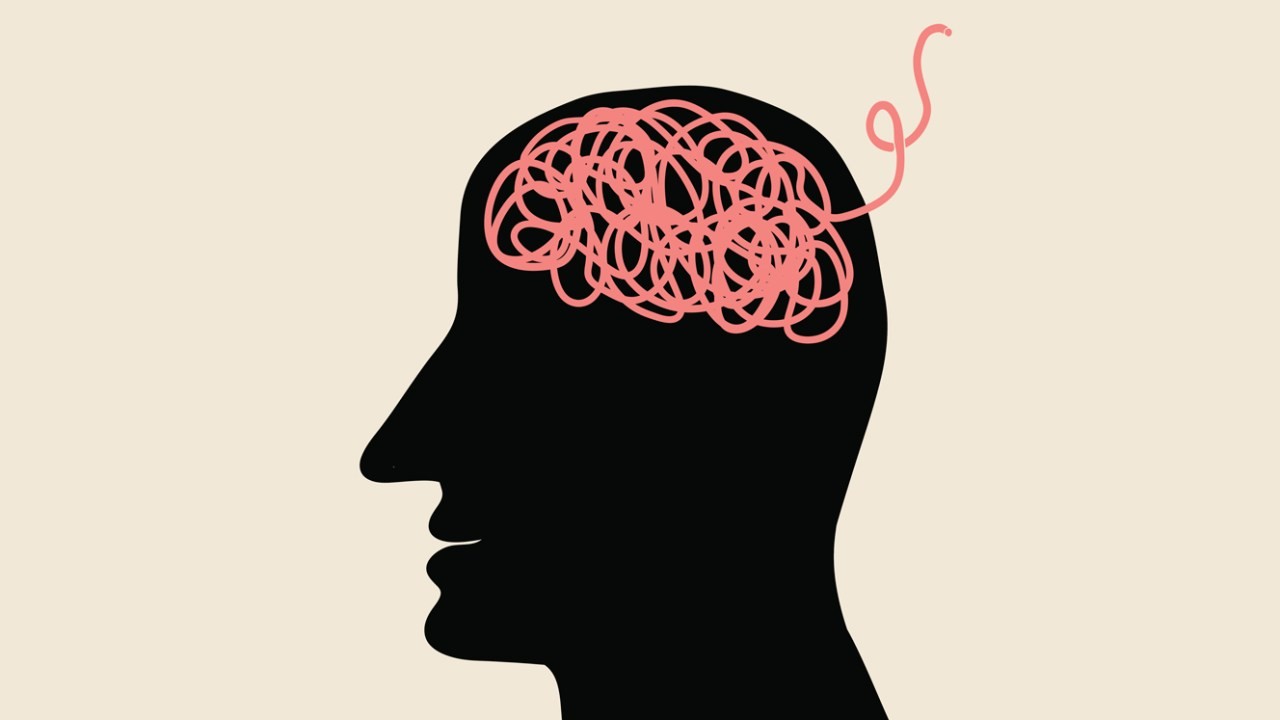
Building pause muscles means creating a deliberate delay between an urge and your response. When you live with ADHD impulsivity, your brain often moves straight from a thought or emotion into an action before you have time to consider the outcome. Creating tiny gaps of physical or mental friction allows you to catch up with your initial reaction and make a conscious choice.
Impulsivity shows up in many everyday situations. You might find yourself placing online orders for items you do not need, interrupting a colleague in the middle of a sentence, or eating a snack simply because it was sitting on your kitchen counter. The goal of building a pause muscle is not to eliminate spontaneity or shame yourself for fast reactions. Instead, the goal is to introduce small buffers so you have room to decide what you actually want to do.
Why impulse control feels so difficult with ADHD
ADHD affects how the brain regulates attention, effort, and executive functions. When a sudden idea, emotional reaction, or desire occurs, your focus immediately locks onto that stimulus. The internal buffer that helps people pause, reflect, and evaluate potential consequences works differently when you have ADHD. Quick actions often provide immediate feedback or stimulation, which makes impulse responses feel urgent and hard to stop in the moment.
This tendency is not a personal weakness or a character flaw. Learning what ADHD really is helps reframe these patterns as brain-based differences rather than poor self-control. When you understand that your brain naturally leans toward fast action, you can stop relying on pure willpower and start building external systems to support your decision-making. You do not need to fight your natural urges with intensity. You simply need to design environments that make immediate action slightly slower and harder to take.
Adding friction to physical spending and digital habits
One of the most practical strategies for slowing down impulsive choices is adding intentional friction to your surroundings. Friction refers to any added step that transforms a fast, automated choice into a deliberate, multi-step process. When an action takes a few extra seconds or requires physical movement, your brain gets a brief window of time to evaluate whether that action aligns with your intentions.
For online shopping, remove saved credit card details from your web browsers and shopping apps. When making a purchase requires getting up from your chair, searching for your wallet, and manually entering sixteen digits, you create an automatic delay. You can also establish a twenty-four-hour rule for non-essential purchases over a specific dollar amount. Write down the item, date, and price on a dedicated note. If you still want the item after twenty-four hours have passed, you can make the purchase with a calm mind.
Digital apps and websites also benefit from physical barriers. If you habitually open social media or game apps whenever you feel a moment of stillness, move those icons off your main phone screen into a hidden folder. Logging out of accounts at the end of each day requires you to re-enter a password every time you want to open them. These small hurdles interrupt automatic behavior and give you time to choose a different path.
Pausing in conversations without losing your thought
Social impulsivity frequently takes the form of speaking over someone, jumping in before another person finishes their thought, or sharing an unfiltered comment that you wish you could take back. In meetings or personal conversations, this habit often stems from a fear of forgetting what you want to say. It can also happen when emotions rise quickly, which is a common experience when managing intense emotions during active discussions.
To practice pausing during conversations, try using physical cues that anchor your attention. When someone else is speaking, rest your hands lightly on your lap and gently touch your thumb to your index finger. Use that tactile feeling as a reminder to take a quiet breath before responding. If an urgent idea enters your mind while another person is speaking, write down a single keyword on a notepad. Storing the thought on paper frees your working memory, letting you listen attentively without fearing that your point will disappear.
If you catch yourself interrupting despite your best efforts, respond gently. You can briefly acknowledge the interruption, apologize without making a big deal out of it, and ask the other person to continue. Over time, practicing a brief one-second pause before speaking builds a reliable buffer, helping you enter conversations with intentionality rather than speed.
How to create low-friction boundaries that stick
Building pause muscles works best when you start small and focus on one specific trigger at a time. Trying to change every quick reaction at once can feel overwhelming and lead to burnout. Pick one area where impulsivity creates frustration, such as impulse shopping, phone habits, or fast commitments, and establish clear boundaries around it.
- Make the friction physical: Place items you want to use less out of easy reach, such as leaving your phone in another room while working or storing snacks on high cabinet shelves.
- Use visual cues: Put a sticky note on your computer screen or credit card with simple questions like "Do I need this today?" or "Can this wait until tomorrow?"
- Prepare default responses: Create standard phrases for unexpected requests, such as "Let me check my schedule and follow up with you," so you do not agree immediately.
- Identify your emotional state: Notice when feelings like boredom, fatigue, or stress trigger impulsive urges, and address those basic physical needs directly.
Developing a pause muscle is a long-term skill that takes time to establish. Some days you will act on impulse without thinking, and that is a normal part of the process. The goal is not perfection, but rather noticing your responses and giving yourself space to make conscious decisions. Practicing rewiring your thought patterns helps you treat impulsive moments as helpful feedback instead of personal failures.
How Untangle can help
When impulsivity leaves your mind racing with fast ideas and urgent tasks, trying to organize your thoughts manually can feel overwhelming. Untangle includes a Brain dump feature where you can type or speak everything on your mind as it happens. Aaron, the in-app coach, organizes your scattered thoughts into a manageable plan so you can process your ideas at a calm pace without feeling pressed to act immediately.
This guide is educational and is not medical advice. Talk to a qualified clinician about your own situation.
Frequently asked questions
What are pause muscles in ADHD?
Pause muscles refer to the mental and environmental strategies you use to create a delay between an impulse and your reaction. With ADHD impulsivity, actions often happen before you process outcomes. Building pause muscles means setting up physical barriers, breath cues, and simple rules that slow down your initial urges.
Why is impulsivity so common with ADHD?
ADHD affects how the brain regulates attention, executive functioning, and effort. Quick actions provide immediate feedback, making fast reactions feel automatic. Learning what ADHD really is helps explain why creating intentional delays requires external friction rather than relying on willpower alone.
How do I stop buying things impulsively?
You can reduce impulse buying by introducing friction into your shopping habits. Remove saved payment information from your online accounts so you have to enter card details manually. Implement a twenty-four-hour rule for non-essential purchases over a set dollar amount to give yourself time to decide calmly.
How can I stop interrupting people when I have ADHD?
To reduce interrupting, practice physical anchors like taking a breath before speaking or touching your fingers together while listening. Keeping a notepad nearby during meetings allows you to write down quick keywords so you do not fear forgetting your thoughts before it is your turn to speak.
Keep reading
Rewiring Your Thought Patterns
Learn practical cognitive techniques for rewiring your thought patterns with ADHD. Turn harsh self-criticism into balanced, actionable self-talk.
Managing Intense Emotions
Learn why ADHD causes intense emotional reactions and discover practical strategies for managing intense emotions, pausing before reacting, and finding calm.
ADHD Workplace Accommodations: Practical Setup Guide
Discover practical ADHD workplace accommodations that help you focus, organize tasks, and manage overwhelm without unnecessary stress at work.
Thoughts & Reflections