What ADHD Really Is
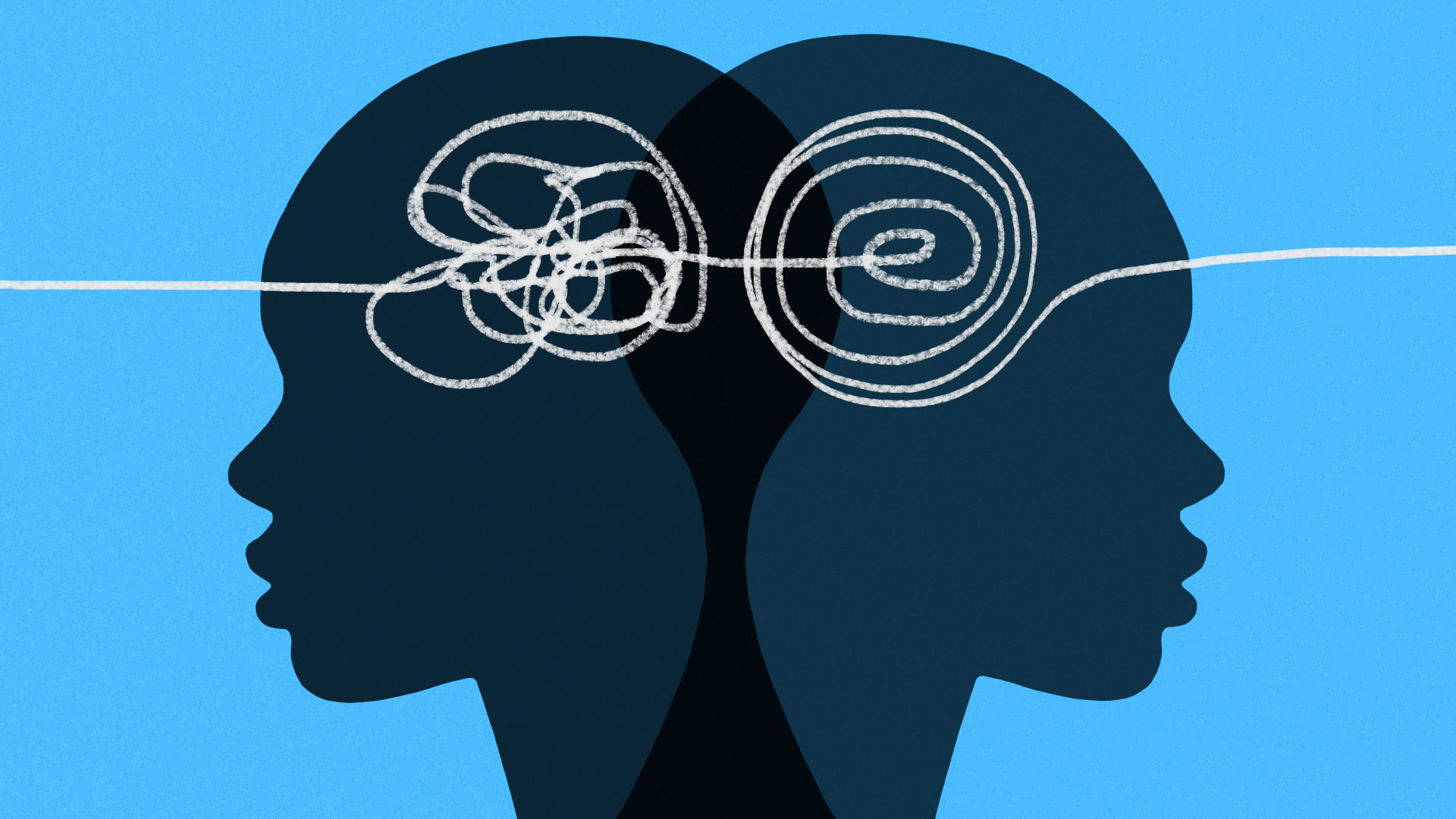
What ADHD really is comes down to how your brain regulates attention, energy, and action. It is not a character flaw, a lack of discipline, or a simple refusal to try harder, but a neurodevelopmental difference in how executive functions manage daily life.
When you have ADHD, your brain does not lack attention. Instead, it struggles to direct and regulate attention on command toward tasks that do not offer immediate engagement, interest, or urgency. Learning more about inside the adhd brain can clarify why your focus behaves the way it does in different situations.
Beyond the stereotype of hyperactivity
For decades, popular culture portrayed ADHD as a condition reserved for restless children who cannot sit still in class. While physical restlessness is part of the experience for some people, it represents only a small slice of what the condition actually involves. In adults, hyperactivity often moves inward. It looks like a mind that refuses to quiet down at midnight, a constant background feeling of internal tension, or an irresistible urge to switch between five open tabs while trying to read a single document.
Many adults live for years without realizing they have ADHD because they were never physically disruptive. They may have managed to pass classes or maintain jobs by relying on intense panic right before a deadline. Using stress to start work can function for a short period, but relying on anxiety as your primary power source takes a heavy emotional and physical toll. Recognizing that internal mental racing is just as much a part of ADHD as physical fidgeting is often the first step toward understanding your past.
An interest-based nervous system
Most organizational advice assumes that people naturally prioritize tasks based on their objective importance. Standard planning tools expect you to look at a list, decide that paying a bill or filing a tax form is important, and simply sit down to do it.
The ADHD brain operates differently. It is driven by an interest-based system rather than an importance-based system. When a project is novel, challenging, deeply interesting, or backed by an immediate deadline, your brain turns on effortlessly. You might spend six straight hours researching a new topic, fixing a complex problem, or writing a creative draft without noticing the passage of time.
Instead of abstract importance, the ADHD nervous system relies on specific triggers to generate momentum:
- Interest: The task is fascinating, enjoyable, or fuels your natural curiosity.
- Novelty: The task is new, fresh, or approaches an old problem from an unfamiliar angle.
- Urgency: A tight deadline or immediate consequence creates focus.
- Challenge: The task feels like a puzzle or game to be solved right now.
Conversely, when a task feels dry, repetitive, or routine, the brain resists starting. The importance of the task does not automatically grant you the focus needed to complete it. You might know that sending an email takes two minutes, yet you sit at your desk for an hour feeling physically unable to type the first word. Understanding this gap between knowing what to do and actually doing it helps explain why traditional productivity tricks often fail. Learning strategies for adhd task paralysis can help bridge this gap when willpower alone falls short.
The friction of executive function
Executive functions are the brain's internal management tools. They help you plan steps, estimate time, remember details while working, and regulate your emotional reactions to everyday frustration. In an ADHD brain, these management tools work inconsistently.
Working memory is one area where this friction appears every day. Working memory is like a mental scratchpad where you hold temporary information. With ADHD, that scratchpad gets wiped clean very quickly. You might walk into a room to grab your keys, pick up a mug instead, and completely forget why you walked in. When working memory is overloaded, keeping multi-step instructions in your head feels impossible. For long-term projects, strategies focused on working around working memory become vital for breaking free from feeling overwhelmed.
Time perception is another executive function affected by ADHD. Minutes can feel like hours when you are bored, while four hours can disappear in what feels like fifteen minutes when you are deeply engaged. This phenomenon makes estimating how long a chore will take remarkably difficult. A simple chore like unloading the dishwasher might feel like a two-hour mountain in your mind, even though it takes four minutes in reality.
Emotional regulation is also tied directly to executive function. When a small mistake happens, a plan changes unexpectedly, or someone gives minor criticism, the emotional response can feel sudden and intense. Your brain experiences a delay in filtering and dampening initial emotional reactions, making minor setbacks feel momentarily overwhelming.
Reframing past struggles with clarity
Looking back at your life through the lens of an interest-based brain can be an emotional experience. Many adults carry years of accumulated guilt from being called careless, lazy, or inconsistent. You might remember abandoned hobbies, unfinished home projects, or moments where you let down loved ones despite your best intentions.
Understanding what ADHD really is allows you to reframe those past moments with clarity and self-compassion. You were not failing due to a lack of moral effort or care. You were trying to drive an interest-driven engine using rules designed for an importance-driven system.
When you stop judging your brain against standards that do not fit how you process information, you can start owning your adhd strengths. You can build an environment that works with your natural curiosity, energy spikes, and focus patterns instead of fighting them every day. This shift in perspective lets you trade self-criticism for practical accommodations that actually support your everyday life.
How Untangle can help
When your brain struggles to convert vague goals into clear actions, starting even simple tasks can feel daunting. Untangle helps reduce that initial friction with a feature called Tiny steps. Instead of staring at a massive project like organizing your room or writing a complex report, Tiny steps breaks down your work into manageable micro-actions. Every task starts with a simple five-minute step, helping your interest-based nervous system find the momentum it needs to get moving without feeling overwhelmed.
This guide is educational and is not medical advice. Talk to a qualified clinician about your own situation.
Frequently asked questions
Is ADHD just a lack of attention?
No. ADHD is not a lack of attention, but a struggle to regulate attention. People with ADHD can focus intensely on engaging topics, but find it difficult to direct focus toward routine tasks on command.
Why do traditional productivity systems often fail for adults with ADHD?
Traditional productivity systems rely on linear planning and abstract importance. Because the ADHD nervous system responds to interest, urgency, and novelty, importance-based systems often lead to friction and task paralysis.
How does ADHD present in adults compared to children?
In adults, physical hyperactivity frequently turns inward into mental restlessness, decision fatigue, and chronic tension. Adults also face greater demands on executive functions like managing finances, work projects, and household chores.
Can you build effective habits with an ADHD brain?
Yes. Adults with ADHD can build lasting habits by reducing friction, breaking tasks into tiny steps, and designing environments that offer visual cues and immediate feedback rather than relying on strict willpower.
Keep reading
ADHD Task Paralysis: Why You Freeze and How to Move
Stuck staring at a simple task you cannot start? Learn why ADHD task paralysis happens and practical ways to unfreeze your brain today.
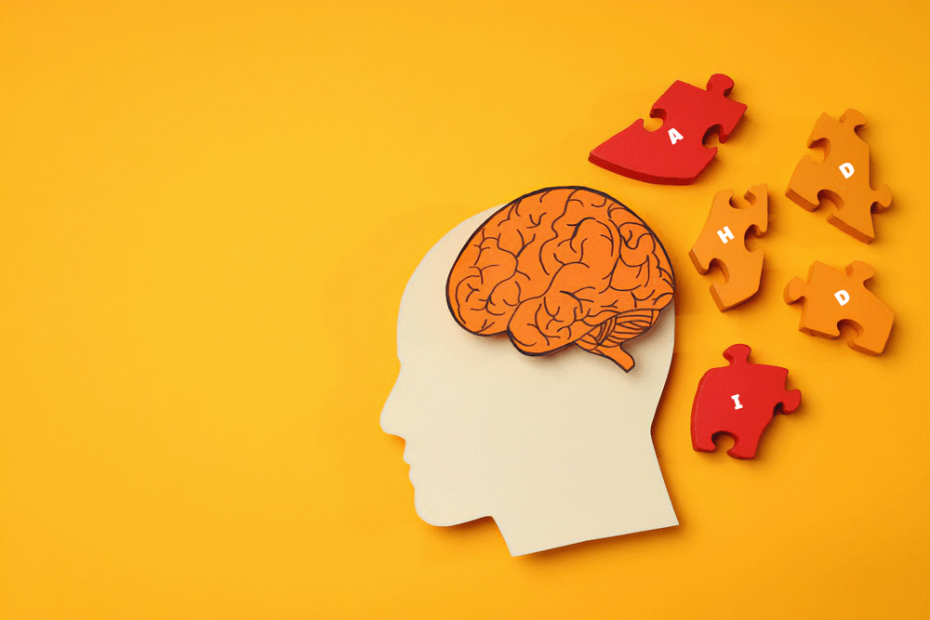
Inside the ADHD Brain
Understand what happens inside the ADHD brain, from dopamine signaling to executive function, and learn how to manage your unique focus network.
Owning your ADHD Strengths
Learn practical ways of owning your ADHD strengths. Discover how creativity, hyperfocus, and lateral thinking can help you build a life that works.
Thoughts & Reflections