ADHD Task Paralysis: Why You Freeze and How to Move
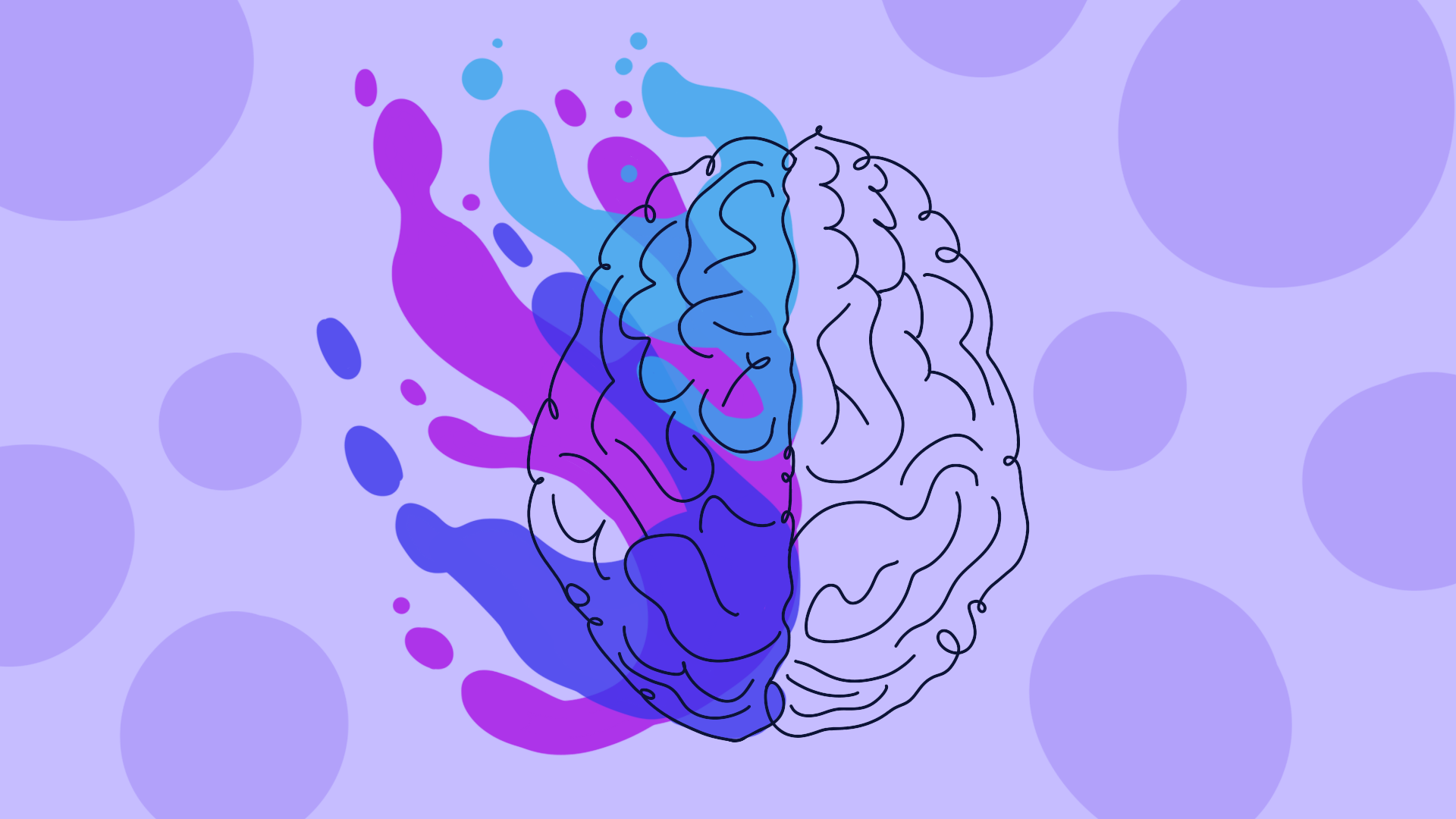
ADHD task paralysis is the state of feeling mentally or physically frozen when you need to start a project, clear a mess, or answer a simple message. It occurs when your brain experiences overwhelming friction around starting, turning routine actions into heavy mental hurdles.
You might sit on the edge of your bed for half an hour with your socks in your hand, fully aware that you need to leave for an appointment. You might stare at an open email draft, feeling completely unable to type the first word. Your mind wants to act, but your body stays stuck in place.
What is ADHD task paralysis?
Task paralysis is a common experience caused by executive dysfunction. When you have ADHD, your brain processes priorities, working memory, and motivation differently than a neurotypical brain. A single chore like cleaning the kitchen is rarely processed as one simple action. Instead, your brain sees fifty separate micro-decisions: where to put the dirty mug, which sponge to use, whether to empty the dishwasher first, and how to clear the counter.
Because your brain treats all these micro-decisions with equal weight, the sheer volume of choices creates mental gridlock. The result is a total pause in action. This response is often misunderstood as laziness by outside observers, but it is actually a state of cognitive overload. Reading more about inside the ADHD brain can help you understand how attention and effort are regulated.
Why the ADHD brain freezes before simple tasks
To understand why you freeze, it helps to look at how your brain evaluates effort and reward. For most people, starting a task relies on an automatic system of cognitive initiation. For adults with ADHD, that automatic bridge between intending to do something and actually moving your muscles is often unreliable.
Friction usually rises from three main sources:
Uncertainty about the exact first physical move. If a goal feels vague or broad, your mind cannot map out a clear path forward. Paying a bill becomes finding the login details, resetting a forgotten password, checking the bank balance, and filling out a form.
Emotional hesitation. When a project carries pressure, fear of making a mistake, or past frustration, your nervous system responds by pulling back. You can learn more about how procrastination is connected to emotional regulation to see why this hesitation happens.
Working memory overload. Trying to keep multiple steps, deadlines, and details in your head at the same time quickly drains your energy before you even begin.
When these factors combine, your brain perceives the incoming task as an overwhelming drain on your mental bandwidth, forcing you into a freeze state to conserve energy.
Practical ways to break the freeze
When you are stuck in task paralysis, traditional advice like trying harder rarely works. You need concrete techniques that lower the energy required to make that very first physical move.
- Lower the starting threshold: Shrink your initial goal until it feels ridiculously easy. If writing an entire report feels impossible, commit only to opening a blank document and typing the date.
- Change your physical posture: Physical movement can reset your mental state. Stand up, stretch your arms, walk to another room, or wash your hands with cool water to break the static momentum.
- Remove all secondary decisions: Pick one tool and one spot without overthinking. Do not spend twenty minutes looking for the perfect notebook or setting up the ideal workspace.
- Use a brief countdown: Count down silently from five to one, treating the final number as an absolute signal to move your feet or open the tab before your brain starts debating.
Working with your brain instead of forcing it
Breaking out of a freeze state does not require immense willpower. It requires changing the environment and the structure of the work so your nervous system feels safe enough to take a single step forward.
Focus on momentum rather than completion. You do not need to finish the whole project right now. You only need to touch it. If you need to tidy a cluttered workspace, your goal for the next two minutes could simply be picking up three pieces of paper off your desk. Once you cross that initial barrier, action usually becomes much easier because momentum takes over. Practicing breaking tasks into tiny micro-steps makes starting much less intimidating.
Another effective approach is giving yourself full permission to do a rough job on the first attempt. Perfectionism is a primary driver of task paralysis. By accepting that your initial draft or quick clean up can be messy, you remove the heavy emotional pressure that causes you to freeze in the first place.
How Untangle can help
If task paralysis frequently disrupts your day, Untangle offers structure designed specifically for ADHD brains. The app includes a feature called Tiny steps, which takes your overwhelming projects and automatically breaks them down into manageable pieces. Every task begins with a tiny 5-minute first step, giving your brain an easy entry point that bypasses the initial resistance and gets you moving without the heavy decision overload.
This guide is educational and is not medical advice. Talk to a qualified clinician about your own situation.
Frequently asked questions
What triggers ADHD task paralysis?
Task paralysis is usually triggered by executive overload, ambiguity, and emotional friction. When a task feels too vague, large, or emotionally heavy, the ADHD brain struggles to prioritize the first physical move, leading to a freeze state where taking action feels nearly impossible.
Is task paralysis the same as laziness?
No, task paralysis is not laziness. Laziness is a conscious choice to avoid effort, while task paralysis is an involuntary executive function struggle. People experiencing paralysis usually feel high distress and want to start, but their brain cannot initiate the physical movement.
How can I quickly snap out of ADHD task paralysis?
The fastest way to break the freeze is to lower the effort of starting to nearly zero. Change your physical environment, shrink your goal to a 2-minute action, or focus on a tiny physical move like opening a single file to build initial momentum.
Keep reading
The Art of Micro-Steps
Learn how using adhd micro steps can reduce task paralysis, eliminate decision fatigue, and make starting big projects practically effortless.
Inside the ADHD Brain
Understand what happens inside the ADHD brain, from dopamine signaling to executive function, and learn how to manage your unique focus network.
Understanding ADHD Executive Dysfunction and How to Cope
Learn what ADHD executive dysfunction is, why willpower will not fix it, and simple strategies to reduce task friction and regain momentum daily.
Thoughts & Reflections