Understanding ADHD Executive Dysfunction and How to Cope

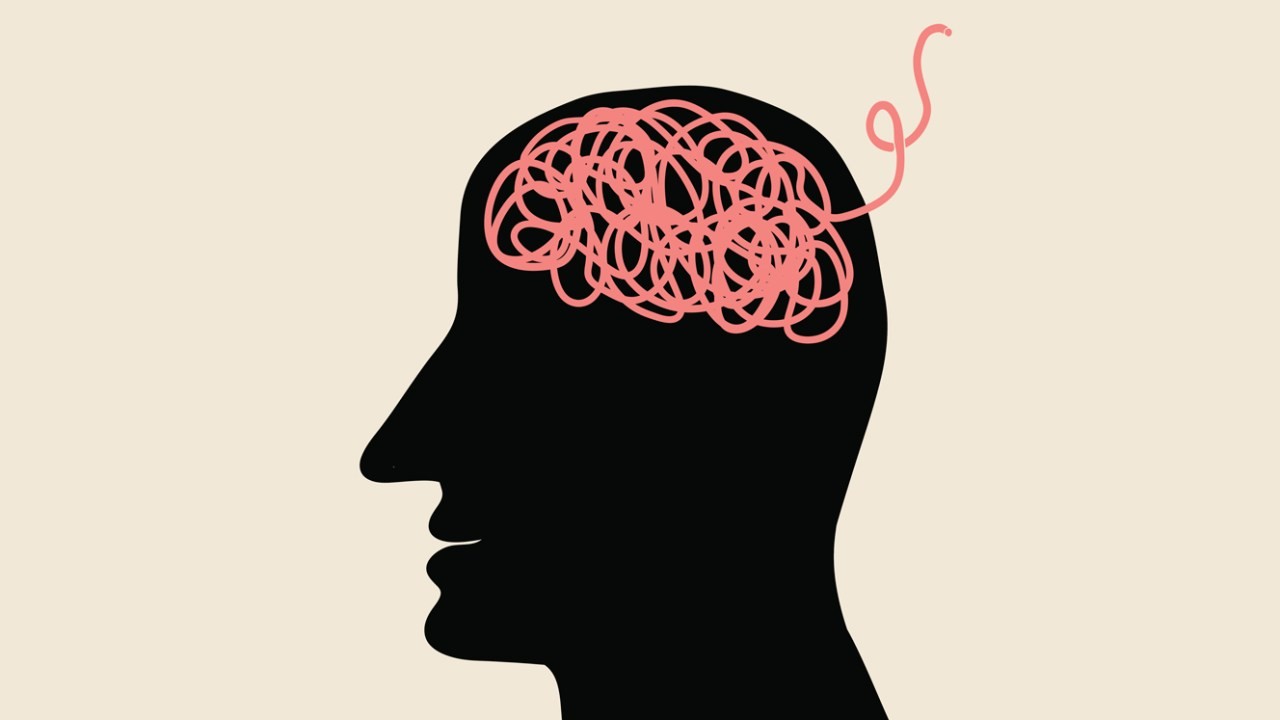
ADHD executive dysfunction is the disruption of your brain self-management system, making it difficult to plan, start tasks, organize thoughts, and switch attention smoothly. It is the gap between knowing what you need to do and being physically able to bring yourself to do it.
What executive dysfunction looks like in daily life
You might sit on the edge of your bed holding a single clean sock, knowing you are late for work, yet unable to move your legs to put it on. You might stare at an open email draft for forty minutes while your mind feels completely blank. To someone watching, it can look like procrastination or laziness. To you, it feels like driving a car with a snapped clutch cable. The engine revs, but the gears refuse to catch.
Executive dysfunction affects every ordinary routine. It turns a simple task like mailing a tax form into a multi-step nightmare: finding the printed form, locating an envelope, searching for a stamp, finding a pen that works, writing the address, and walking to the mailbox. For a neurotypical brain, these steps stitch together automatically in the background. For an ADHD brain, every micro-step demands deliberate effort and conscious decision-making.
This issue is not limited to boring work tasks. It also interferes with activities you actually want to do. You might want to play a video game, read a favorite book, or meet a friend for dinner, yet find yourself stuck scrolling on your phone for hours because initiating the change of activity feels impossible.
The core skills that get interrupted
Executive functions act as the brain management system. They are responsible for taking an abstract goal and breaking it down into physical movements. When this system experiences low dopamine or altered neural signaling, several key processes break down at once.
Task initiation is often the first function to fail. You experience intense friction when transitioning from a passive state, like sitting on the couch, to an active state, like wiping down the kitchen counter. This phenomenon is closely tied to adhd task paralysis, where your brain reads the effort required to start as a heavy physical wall.
Working memory also suffers under executive strain. Working memory acts like mental scratch paper, holding details long enough for you to act on them. When working memory drops information, you walk into the pantry and forget why you opened the door, or you lose the thread of a thought mid-sentence. If you want to explore ways to handle this specific challenge, you can try practical methods for Working Around Working Memory.
Cognitive flexibility is another key component. This is your ability to pivot when plans change or when a task presents an unexpected hurdle. If your favorite grocery store is out of the specific ingredients you planned for dinner, executive dysfunction can cause you to freeze in the aisle, unable to pick a substitute because your mental track was locked onto one outcome.
Why willpower cannot fix a structural breakdown
It is common to blame your character when your brain refuses to start a task. You might tell yourself that you just need more discipline, better routines, or stronger resolve. However, executive dysfunction is not a moral failure. Reading about what is happening Inside the ADHD Brain shows that executive tasks require a steady supply of regulatory signals to maintain focus and sequence steps.
When those signals fluctuate, pushing harder against a mental block rarely works. It is like pushing harder against a locked door without a key. You consume vast amounts of physical and emotional energy without moving an inch forward. This constant internal wrestling match leaves many adults with ADHD exhausted before their workday even officially begins.
Recognizing that executive dysfunction is a real cognitive reality helps shift your approach from self-criticism to practical strategy. Instead of demanding that your mind work like everyone else's, you can build environment cues and gentle structures that accommodate how your mind functions right now.
Strategies to bypass executive friction
When executive control slows down, relying on memory and internal motivation fails. You need external systems that take the heavy lifting off your mind.
- Shrink the first action: Reduce the starting point until it requires almost zero effort. If opening your laptop feels overwhelming, set a goal to simply sit down in your office chair. If folding all the laundry feels impossible, agree to fold just one shirt.
- Externalize every detail: Stop trying to keep your to-do list in your head. Write down every step on paper, a whiteboard, or a simple app so your working memory stays clear.
- Remove micro-decisions: Decide what you will wear or eat the night before. Reduce the number of small choices you must make in the morning before your executive function is fully online.
- Change your physical state: Physical movement can reset a stalled mind. Wash your hands with cold water, step outside for fresh air, or switch rooms to break out of a mental loop.
- Regulate your emotional response: Notice if dread or fear of failure is spiking your paralysis. Remind yourself that Procrastination is Emotion Regulation rather than simple laziness or poor time management.
Designing an environment that supports your focus
Your physical surroundings heavily influence how hard your brain has to work. If every tool you need is hidden behind closed cabinet doors or buried in clutter, the extra steps to retrieve them can stop a routine before it starts.
Keep high-frequency items visible and accessible. Place your keys, wallet, and water bottle in open baskets near the front door. Leave your trash can out in the middle of the room if getting up to throw something away causes a delay. When your environment reflects your actual habits rather than an idealized standard of order, you spend far less energy on basic maintenance.
Time management also needs external support. Time blindness often makes hours feel like vague, unmeasurable blocks. Using visual timers or clear sound cues helps you sense the passage of time without having to manually track it in your head.
How Untangle can help
When executive dysfunction makes even simple planning feel overwhelming, Untangle offers a clear, steady space to rebuild your momentum.
The app features Tiny steps, a tool designed specifically for task initiation struggles. Instead of staring at a daunting project like organizing your home office, Tiny steps breaks the task down into manageable, bite-sized actions. It guides you to start with just a five-minute initial step, removing the friction of figuring out where to begin.
This guide is educational and is not medical advice. Talk to a qualified clinician about your own situation.
Frequently asked questions
What is ADHD executive dysfunction?
ADHD executive dysfunction is a difficulty in managing cognitive processes like planning, task initiation, working memory, and emotional control. It occurs because the brain struggles to regulate signaling channels responsible for self-organization, making everyday steps feel overwhelming even when you desperately want to complete them.
How is executive dysfunction different from laziness?
Laziness is a conscious choice to avoid effort, while executive dysfunction is an involuntary barrier where your brain cannot bridge the gap between intention and action. Someone experiencing executive dysfunction often feels deep distress and frustration about not doing the task, whereas laziness involves little care about the outcome.
How can I overcome task paralysis from executive dysfunction?
To move past task paralysis, break your immediate goal into the smallest possible step, such as putting one item away or opening a blank document. Externalizing your steps on paper and using visual timers also reduces working memory load, making task initiation much easier.
Can routines help with executive dysfunction?
Yes, consistent routines reduce the number of active decisions you need to make each day. By converting frequent actions into automatic habits, you preserve your executive energy for unexpected challenges and complex tasks.
Keep reading

ADHD Task Paralysis: Why You Freeze and How to Move
Stuck staring at a simple task you cannot start? Learn why ADHD task paralysis happens and practical ways to unfreeze your brain today.
ADHD and Motivation: Why You Freeze and How to Start
Discover why ADHD and motivation work differently and learn practical, non-judgmental steps to break through task paralysis and build momentum today.

Inside the ADHD Brain
Understand what happens inside the ADHD brain, from dopamine signaling to executive function, and learn how to manage your unique focus network.
Thoughts & Reflections