Working Around Working Memory
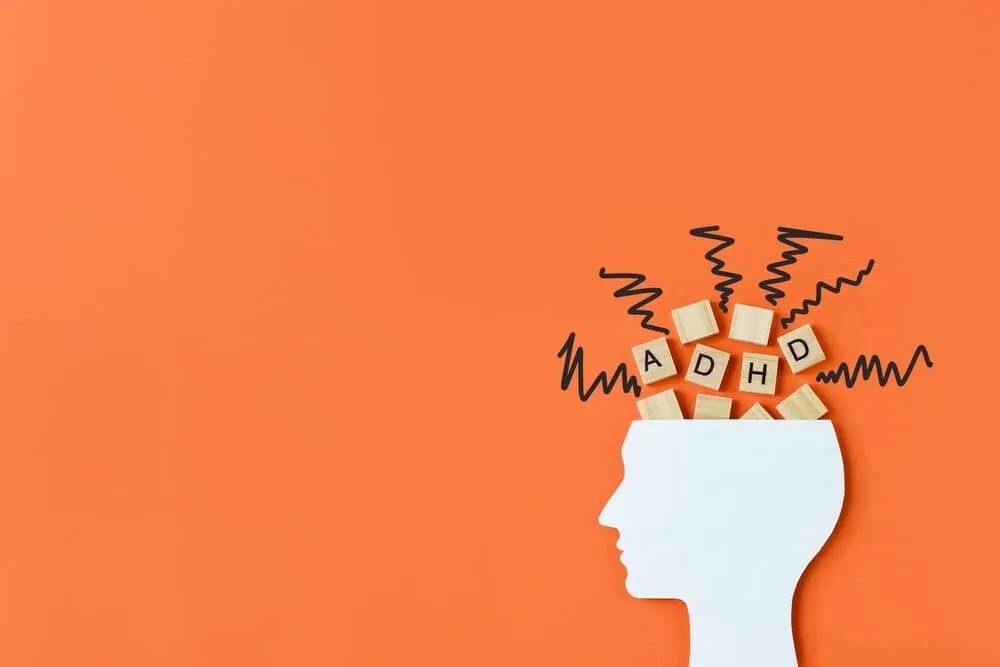
Working memory acts as the brain's temporary scratchpad, holding onto a phone number just long enough to dial it or keeping track of why you walked into the kitchen. With ADHD, that mental scratchpad clears constantly, leaving you standing in a room with no idea what you came for. Learning to manage working memory is not about forcing your brain to retain more facts; it is about building external habits that take the burden off your mind completely.
When you struggle with working memory, everyday life can feel like juggling glass balls. You turn off the stove, pick up your keys, set them down to grab a jacket, and immediately forget where the keys went. This experience is not a personal failure or a lack of effort. Understanding how inside the ADHD brain processes short-term context helps explain why traditional memory tricks rarely work.
Why working memory feels so unreliable
Working memory is responsible for holding small pieces of information in your conscious awareness while you process other thoughts. It allows you to follow multi-step directions, keep track of time during a busy morning, or maintain a train of thought during a conversation.
For adults with ADHD, executive function differences mean that working memory has a very limited capacity and low durability. Any sudden distraction, a ping on your phone, a loud noise, or an unexpected thought, acts like an eraser wiping the mental scratchpad clean.
This constant resetting creates a heavy mental load. You end up spending immense energy trying not to forget basic details: replying to a message, buying groceries, or paying a bill. By mid-afternoon, mental fatigue sets in, not because you worked on complex problems, but because your brain spent hours fighting to hold onto loose thoughts.
Losing your train of thought in conversations is another common frustration. You might start a story, pause to find the right word, and suddenly lose track of your point entirely. This happens because holding your main point while choosing words requires active working memory. When that storage space drops the context, the thread vanishes.
Stop trying to force mental retention
The most effective shift you can make is accepting that your brain is simply not designed for short-term storage. Repeating a thought over and over in your head consumes enormous focus and usually breaks down the moment a fresh distraction appears.
When you tell yourself that you will just remember to buy light bulbs later, you set yourself up for quiet frustration. Deciding to stop relying on raw willpower is a relief. Accepting this limitation frees up your attention for active thinking, creative problem-solving, and living your daily life.
Many people spend years feeling guilty about forgotten errands or interrupted tasks, assuming they simply need to try harder. But working memory issues are about brain mechanics, not personal commitment. When you let go of the expectation that you should remember everything unassisted, you can start building systems that genuinely support how your mind operates.
Instead of trying to train your short-term memory through repetitive mental exercises, treat your mind as a processing engine rather than a filing cabinet. Your goal is to capture ideas, commitments, and reminders the second they pop up, transferring them straight out of your head onto a reliable physical or digital tool.
Build an external brain with low-friction tools
To successfully offload your thoughts, the capture tool you choose must require less effort than holding the thought in your head. If capturing a reminder takes five clicks or opening three sub-folders, your brain will reject the friction and default back to trying to remember on its own.
Using a simple essential tech stack reduces the daily effort of tracking responsibilities. When your capture system is quick and accessible, trusting an external system becomes second nature.
Here are practical ways to capture information without adding friction:
- Voice assistants: Speak your reminders aloud the moment you think of them. Telling a smart assistant to set a reminder for four o'clock takes three seconds and requires zero writing.
- Handwritten notes on visible surfaces: A small notepad on your desk, a dry-erase marker on the bathroom mirror, or even writing a key word on your hand keeps critical reminders directly in your field of view.
- Instant photo logs: Take a picture of your parking spot number, a shelf tag at the store, a recipe card, or the contents of your fridge before you leave home.
- One central drop zone: Keep a single notebook or app inbox where every random thought lands. Do not worry about organizing items immediately; just get them out of your head.
Design your environment to hold context
Your physical surroundings can serve as a backup for your working memory. When you leave information visible in your space, your environment does the remembering for you so your brain does not have to.
Place items right at the point of action. If you need to return a library book tomorrow, place it directly in front of the door or on top of your shoes tonight.
Visual placement acts as a silent trigger that prompts action without requiring conscious recall. Exploring strategies for visual cues gives you simple ways to turn your home or workspace into a physical reminder board.
You can also use physical placement to track your progress on multi-step tasks. If you are preparing paperwork, leave the current document open on your desk and put completed sheets in a tray to your left. Physical arrangements keep your place in a sequence so that a sudden interruption does not reset your progress to zero.
Regularly performing a quick brain dump keeps mental clutter from overwhelming your space and focus. Taking two minutes to write down whatever is floating around in your mind instantly restores clarity.
When you walk into a room and instantly forget your intent, do not stand there trying to force the thought back into your mind. Turn around, walk back to where you started, and look at what you were doing right before you moved. Re-entering the original physical context often brings the forgotten thought back immediately.
How Untangle can help
When your mind is full of unorganized tasks and ideas, trying to structure them into a formal list can feel overwhelming. Untangle features a Brain dump tool where you can type or voice-record everything currently on your mind. The app's coach, Aaron, takes those scattered thoughts and organizes them into a structured plan so you do not have to carry everything in your head.
This guide is educational and is not medical advice. Talk to a qualified clinician about your own situation.
Frequently asked questions
What is working memory in ADHD?
Working memory is the brain's short-term scratchpad that holds and processes active information. In adults with ADHD, this scratchpad holds less data and is easily wiped clean by distractions, making it hard to retain multi-step instructions or temporary details.
Why do I forget why I walked into a room?
Passing through a doorway or experiencing a small interruption forces your brain to update its context. If your working memory is fragile, the new sensory input replaces your original intention, leaving you without a record of why you moved.
How can I improve my working memory with ADHD?
Rather than trying to train working memory through repetition, the most reliable strategy is offloading. Use voice notes, physical sticky notes, photos, and visual reminders in your environment so your brain does not have to store short-term details.
Is working memory difficulty in ADHD permanent?
Working memory challenges in ADHD reflect how the brain naturally manages short-term attention rather than a loss of memory function. With practical external tools, visual routines, and reduced mental strain, daily recall becomes much easier to manage.
Keep reading

The Essential ADHD Tech Stack
Discover how to build a simple ADHD tech stack with anchor apps for quick capture, calendar tracking, and focus without getting overwhelmed.
How to Use an ADHD Brain Dump to Clear Your Mind
Learn how an ADHD brain dump works, why your working memory gets overloaded, and practical steps to turn mental clutter into an organized daily plan.
Visual Cues and Environmental Design
Learn how visual cues and environmental design help adults with ADHD organize their spaces, stop losing items, and start daily tasks with less effort.
Thoughts & Reflections