Visual Cues and Environmental Design
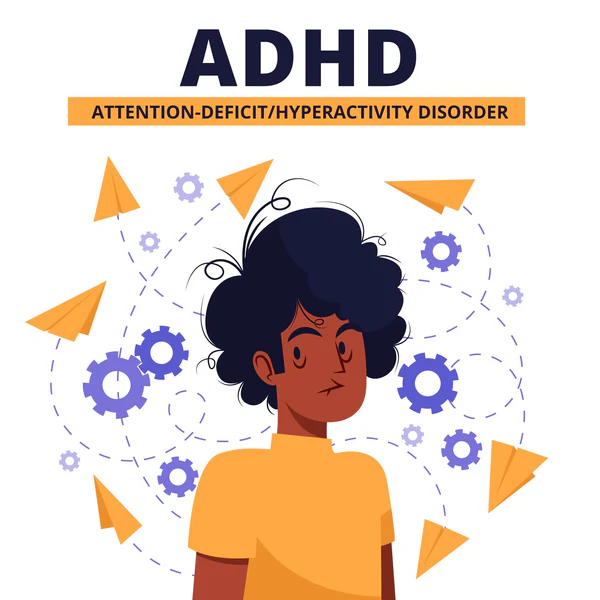
If you live with ADHD, out of sight often truly means out of mind. Relying on internal memory to recall daily tasks or remember where items are stored leads to constant stress, but changing your physical space so that visual prompts direct your day makes starting tasks and keeping track of your belongings much easier.
Environmental design means organizing your surroundings so they naturally guide your behavior. Instead of relying on willpower to remember a routine, you let visible cues prompt your next step.
Understanding out of sight out of mind
When an object is placed inside a drawer, behind a cabinet door, or under a stack of papers, it can disappear from your conscious awareness. This is not a personal failure or a lack of care. ADHD affects how your brain holds onto active memories, which makes hidden items feel like they no longer exist until you suddenly remember them weeks later.
Traditional organizing systems often urge people to hide everything inside opaque bins, closet doors, and dark cabinets to maintain a tidy look. For an ADHD brain, that approach often backfires. Once an item is out of view, you forget you own it, buy duplicates, or struggle to find it when you need it. You can read more about how memory impacts daily organization in our guide on working around working memory.
Visual cues bridge this gap by keeping essential items in your line of sight. When your space clearly displays what you need to do or use, you waste far less effort trying to remember the details of your day.
Placing tools at the point of performance
One of the most effective principles of environmental design is setting up items at their point of performance. This means keeping tools and supplies in the exact physical spot where you actually use them, rather than in a distant or logical storage drawer.
If you open packages at the front entrance, put a pair of scissors on a shelf right by the door. If you tend to drop dirty laundry on the floor beside your bed, place an open hamper on that exact spot instead of expecting yourself to walk down the hallway to a closet.
Here are a few ways to bring the point of performance into your daily spaces:
- Entryway drop zones: Mount wall hooks right by the door for your keys, work bag, and jacket so you do not have to search for them every morning.
- Desk clutter controls: Keep a small, open trash bin directly beside your workstation so scrap paper goes straight into the bin.
- Hydration prompts: Leave a clear water bottle on your desk before you step away so you remember to drink throughout the workday.
- Active paperwork trays: Place active documents in an open wall file or clear desktop tray right next to your monitor.
When your tools live right where the action happens, you remove the extra friction that usually causes hesitation or forgotten tasks. If you want to streamline your living area further, explore our practical tips on simplified organization.
Using visual triggers to start tasks
Starting a task is often the hardest part of the day for an ADHD brain. You might fully intend to clean a counter, work out, or reply to mail, but the invisible barrier to getting started keeps you stuck. Visual triggers reduce that initial friction by acting as physical reminders that prompt action without requiring you to think through the steps.
Pre-staging your space the night before is a simple way to use visual triggers. If you want to exercise in the morning, set your athletic shoes and clothes right in front of your bedroom door. When you wake up, you do not have to make choices or search through drawers; the clothes are already waiting in your path.
Similarly, if you need to review a document, leave it sitting open on your desk chair before you take a break. When you return, the physical object sitting on your chair forces you to pick it up and address it before you even sit down. Using physical objects to cue your habits works far better than relying on mental reminders, especially when you are building routines for people who hate routines.
Choosing clear storage over hidden drawers
When you do need to store items away, choose clear containers and open storage options instead of solid boxes. Transparent bins allow you to see what is inside without having to pull down containers or open lids.
Open shelving units, wire baskets, and pegboards are excellent options for ADHD-friendly spaces. A pegboard mounted above a desk or workbench lets you hang tools, scissors, headphones, and cables in full view. You can see every item at a glance, and returning things to their spot becomes as simple as hanging them back on a hook.
If you must use solid boxes or cabinets, add large visual labels. You can write text labels, print small photos of the contents, or use color-coded tape. The goal is to make the contents obvious without requiring your brain to dig through memory files to figure out what is inside.
Keeping visual cues simple to avoid clutter
While visual cues are extremely helpful, having too many visual prompts at once can lead to visual clutter. When every surface is covered with sticky notes, open boxes, and reminders, your brain stops processing them, turning the cues into background noise.
To prevent visual fatigue, limit your prominent visual cues to your top active priorities. Keep your daily essential tools out in the open, but store seasonal items, rarely used electronics, or completed paperwork in clearly labeled containers tucked away on higher shelves.
Rotate your visual prompts regularly. If a sticky note on your bathroom mirror has been sitting there for three weeks, you likely do not see it anymore. Change the color of the note or move it to a new location to reset your attention. If you are experiencing high stress from clutter, try our 7 immediate strategies for relief to reset your environment step by step.
How Untangle can help
Applying visual cues to your digital environment is just as important as setting up your physical room. Untangle offers a Home feature that brings clarity to your digital space by showing your single next step directly on your screen. Instead of opening an app and feeling overwhelmed by long task lists, the Home view keeps your attention focused on one clear task at a time, removing the visual clutter that usually distracts your brain.
This guide is educational and is not medical advice. Talk to a qualified clinician about your own situation.
Frequently asked questions
What does out of sight, out of mind mean for ADHD?
For adults with ADHD, items or tasks that are not physically visible often slip out of working memory. When tools, bills, or supplies are stored inside opaque drawers or closed closets, you may forget they exist or forget to complete the task associated with them.
What is the point of performance in environmental design?
The point of performance means placing tools and supplies in the exact physical spot where you perform a task. For example, keeping package scissors right next to the entryway table where you open mail reduces the effort needed to complete the action.
How can clear bins help with ADHD organization?
Clear bins allow you to store items neatly while keeping them visually visible. Because you can see the contents through the plastic, you do not have to open lidded boxes or rely on memory to know where your belongings are stored.
How do I use visual cues without creating visual clutter?
Limit your active visual cues to a few current priorities rather than displaying everything at once. Group items into clear containers, use consistent labels, and periodically rotate or refresh sticky notes so your brain does not tune them out as background noise.
Keep reading
Routines for People Who Hate Routines
Learn routines for people who hate routines. Use flexible daily rhythms, habit stacking, and low energy menus to build structure without feeling trapped.
Simplified Organization
Discover how simplified organization can help you manage clutter without complex systems, open lids, or high friction when living with ADHD.
ADHD Workplace Accommodations: Practical Setup Guide
Discover practical ADHD workplace accommodations that help you focus, organize tasks, and manage overwhelm without unnecessary stress at work.
Thoughts & Reflections