Simplified Organization
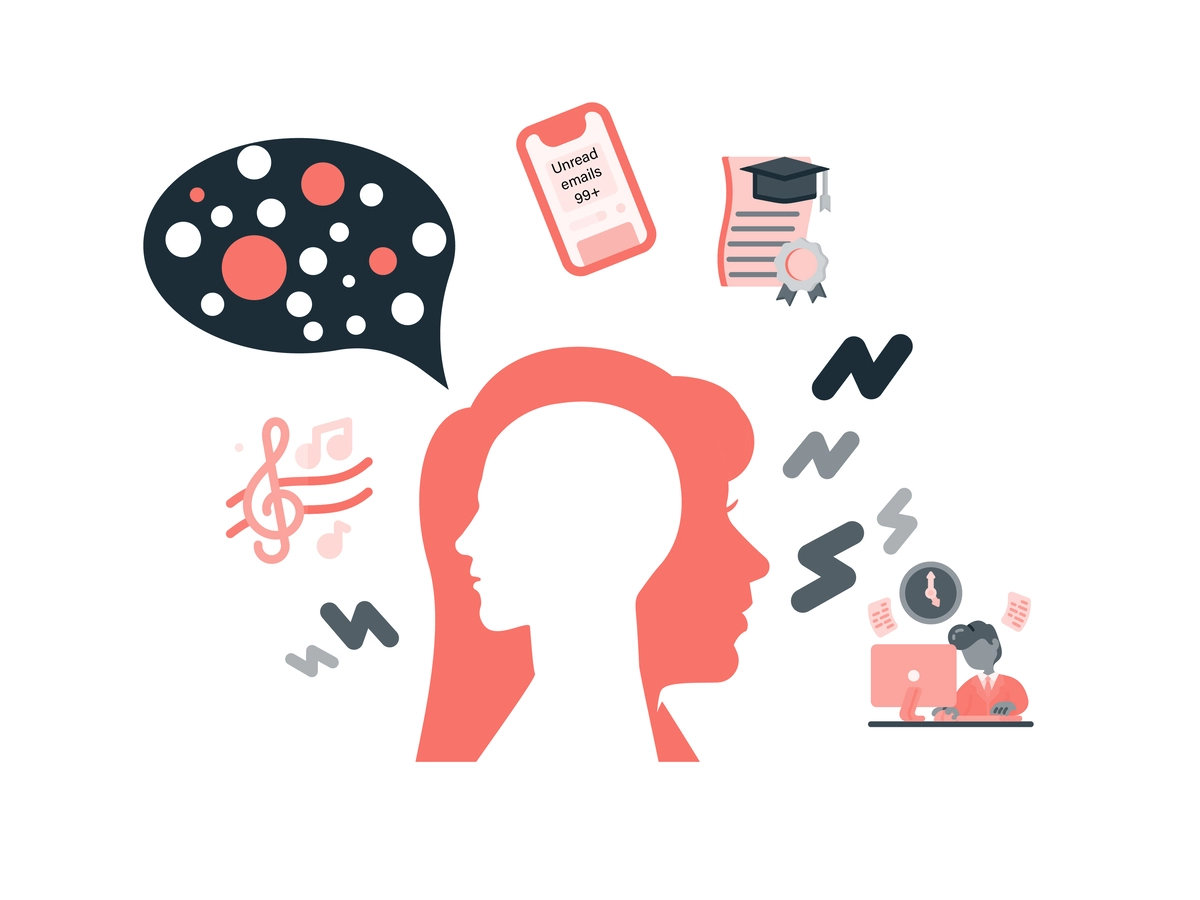
Simplified organization for ADHD means stripping away extra steps, lids, doors, and complex sorting rules so putting items away requires almost zero effort. Traditional organizational advice fails adults with ADHD because it builds friction into daily routines, demanding executive effort that your brain cannot consistently supply.
Buying a traditional filing cabinet, a label maker, or matching containers with snap-on lids often feels like progress. You might spend a Saturday afternoon sorting old utility bills, folding shirts into crisp rectangles, and stacking labeled boxes inside a dark closet. Yet by Thursday, mail piles up on the kitchen counter, clean laundry accumulates in a laundry basket, and the neat containers remain completely empty.
This experience is not a personal failure or a lack of discipline. It happens because traditional organization relies heavily on working memory and continuous mental focus. To put an object away in a standard system, you must remember where it belongs, walk to the room where it lives, open a door, pull out a box, remove a lid, place the item inside, replace the lid, and put the box back. Each extra step creates a barrier. When your physical or mental energy drops, your brain abandons the multi-step sequence entirely.
Why traditional organization fails the ADHD brain
Standard organizing advice is designed for brains that easily process multi-step tasks and hidden storage. For an adult with ADHD, out of sight often truly means out of mind. When items are tucked behind closed cabinet doors or inside opaque drawers, remembering they exist takes deliberate mental effort. You might end up buying duplicate tape, scissors, or pantry items simply because the originals were stored out of view.
Additionally, managing an intricate system requires continuous decision-making. Deciding whether a document belongs in a folder labeled Taxes, Receipts, or Financial introduces subtle cognitive friction. If you face task overload, even a tiny decision can trigger ADHD task paralysis, causing you to freeze and set the document down on the nearest flat surface instead.
Over time, these micro-decisions create doom piles. A doom pile is a collection of random items on a desk, nightstand, or chair because putting them away felt too complicated in the moment. The key to breaking this cycle is not trying harder to follow rigid systems. The solution is redesigning your surroundings to fit how your brain actually operates through visual cues and environmental design.
The rule of friction and point-of-use storage
To make organization effortless, you need to reduce the physical distance and the number of steps required to return an item to its spot. This strategy is called point-of-use storage. It means storing items directly where you use them, rather than where traditional house design says they belong.
Consider your morning routine. If you drink coffee every morning, storing coffee mugs in a high wall cabinet three steps away from the coffee machine adds extra steps. Placing a tray of mugs right beside the machine eliminates extra movement. If you consistently drop your car keys on the dining table, hanging a simple hook right beside the front door places the storage solution directly in your natural path.
Here are a few practical ways to apply point-of-use storage around your home:
- Trash cans: Place a small trash bin in every single room where clutter tends to accumulate.
- Laundry access: Store clean socks and underwear in open bins right by your bed or laundry area.
- Hamper placement: Put dirty clothes baskets in the exact spots where you normally drop clothes on the floor.
- Mail stations: Keep mail openers, stamps, and pens directly beside the table where you open incoming mail.
By placing storage at the exact location where an action happens, you remove physical transit time. Your brain no longer has to hold a reminder in mind while moving across a room.
Designing open storage and dump spots
Hidden storage creates friction because opening drawers, unlatching boxes, and untying bags are physical barriers. Simplified organization relies heavily on open storage options. If you can see an item, your working memory does not have to work as hard to retain it. If you can return an item to its place with one hand in one motion, you are far more likely to keep up with the system.
Instead of clear plastic boxes with tightly snapping lids, choose open fabric bins, wide wire baskets, or shallow trays. When you return home with your coat or bag, drop items straight into open bins without manipulating latches or handles.
Every home benefits from designated dump spots. A dump spot is an intentionally placed open bowl, basket, or tray designed to catch loose clutter. Instead of fighting your tendency to set things down, create an official place for them. A decorative bowl on the entry console can hold pocket change, receipts, lip balm, and stray earplugs. A wide basket near the living room couch can catch stray blankets, books, and remote controls.
When clutter stays inside a designated container, your space looks calm even if the items inside the basket are unsorted. You bypass the mental fatigue of fine-grained sorting while keeping your living areas functional. Understanding how your brain handles memory leads to better choices when working around working memory.
Simplifying systems into single steps
The core rule of simplified organization is the one-motion rule. If putting something away takes more than one motion, the system is too complicated. Opening a closet door, reaching for a hanger, slipping a shirt onto the hanger, and hanging it back up requires four distinct motions. Dropping that shirt onto a sturdy wall peg or into an open laundry basket takes one single motion. Replacing a closet rod with simple wall hooks makes hanging up coats, bags, and hoodies instant.
You can apply this principle across every room in your home. Removing cabinet doors from frequently used spaces like your pantry or laundry area gives you immediate visual access so you can locate items quickly. Using open shelves where everything sits in single rows prevents items from hiding behind each other.
Filing cabinets with hanging folders are another source of friction. Sorting paper documents into specific subfolders requires constant sorting decisions that often lead to giant stacks of unopened mail on your desk. Instead, keep a single desktop box where all incoming paper goes, or scan important papers immediately and recycle the rest.
Kitchen counter setups also benefit from single-step access. Leave daily tools like cutting boards, cooking spoons, and dish soap exposed on the counter within arm's reach of the stove or sink rather than hidden away inside low cabinets. When you remove extra physical steps, maintaining your home requires significantly less executive energy.
How Untangle can help
Managing your living space often starts with knowing what step to take next without getting overwhelmed by the big picture. Untangle is an app built specifically for adults with ADHD who need simple, low-friction support.
Home projects or daily tidying can feel daunting when everything demands your attention at once. The Home screen feature in Untangle gives you immediate clarity by always displaying your single next step. Instead of presenting long, overwhelming lists of house chores or unfinished projects, the screen keeps your attention focused on one manageable task at a time. This low-friction visual layout helps you move through your day without decision fatigue.
This guide is educational and is not medical advice. Talk to a qualified clinician about your own situation.
Frequently asked questions
What is point of use storage for ADHD?
Point of use storage means placing items directly where you use them rather than where standard organizing advice suggests. For example, keeping your coffee mugs right next to the coffee maker or leaving your keys on a hook beside the front door reduces physical movement and memory strain, making it far easier to maintain tidiness.
How do I stop doom piles from forming?
Doom piles form when returning items to their designated spot takes too much effort or decision-making. You can stop them by replacing complex storage with open bins, hooks, and designated dump spots in high-traffic areas. When putting something away takes only one motion, clutter stops collecting on tables and counters.
Why do standard organization systems fail people with ADHD?
Standard systems rely heavily on working memory and executive function. Multi-step actions like opening closet doors, unlatching storage bins, and sorting papers into labeled subfolders create physical and mental friction. When mental energy wanes, adults with ADHD naturally drop these multi-step routines.
Is visual clutter worse than hidden clutter for ADHD?
Visual clutter can feel overwhelming, but hiding items inside opaque bins or deep drawers often causes people with ADHD to forget those items exist. Open storage, clear containers, and visible wall hooks strike a balance by keeping essential items visible while limiting chaotic piles.
Keep reading
Visual Cues and Environmental Design
Learn how visual cues and environmental design help adults with ADHD organize their spaces, stop losing items, and start daily tasks with less effort.
ADHD Task Paralysis: Why You Freeze and How to Move
Stuck staring at a simple task you cannot start? Learn why ADHD task paralysis happens and practical ways to unfreeze your brain today.
Working Around Working Memory
Struggling with ADHD working memory? Learn practical ways to offload thoughts, build low-friction capture habits, and simplify daily tasks.
Thoughts & Reflections