Inside the ADHD Brain
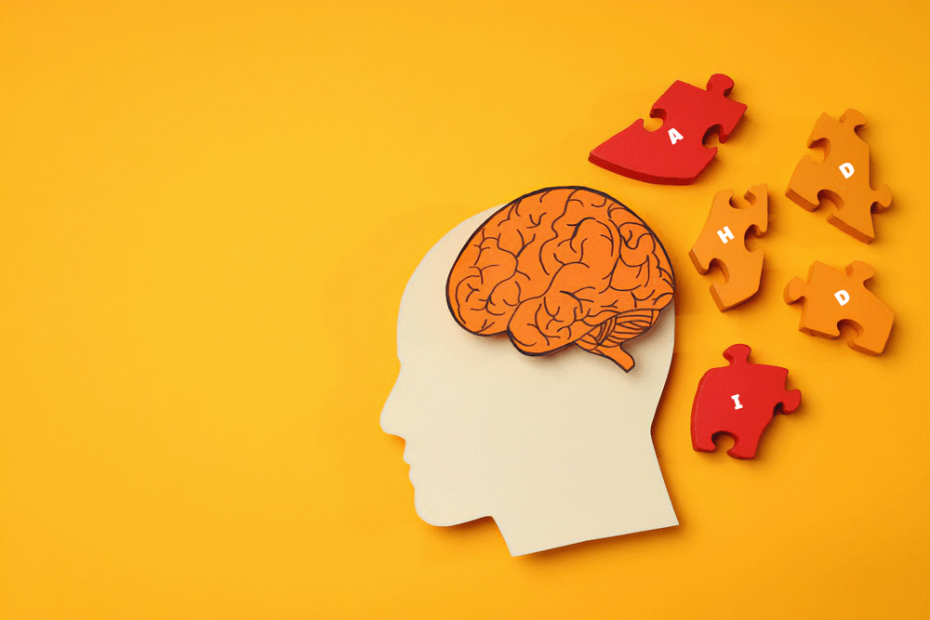
Understanding what happens inside the ADHD brain means looking at how your nervous system regulates attention, motivation, and executive function. ADHD is a neurodevelopmental difference where brain networks and chemical signaling work differently than in a neurotypical brain. If you find yourself staring at an open email draft for an hour or leaving laundry in the washing machine for days, these patterns stem from real neurological differences rather than a lack of willpower.
When you look at what ADHD really is, it helps to realize that your brain is not broken. It simply runs on a different operating system. Understanding the internal mechanics of your brain helps you stop blaming yourself and start building strategies that actually work with your neurology.
The basic wiring: how the ADHD brain regulates effort
In a typical brain, completing a routine task like clearing off a cluttered desk or filing a form triggers a small internal release of dopamine. This chemical signal acts as a reward, telling the brain that the effort was worth making. It creates a steady trickle of motivation that keeps you moving smoothly through mundane responsibilities.
In an ADHD brain, that baseline signal is lower. Routine, low-stimulation tasks do not naturally supply the chemical feedback your brain looks for. That is why boring tasks can feel physically painful or impossibly heavy to start. Your brain is not refusing to work out of stubbornness. It is searching for the stimulation it needs to engage fully.
This difference creates an interest-based nervous system. While a neurotypical brain can prioritize tasks based on importance or deadlines, an ADHD brain prioritizes based on interest, novelty, challenge, or urgency. When a project offers intense personal interest, your brain lights up completely, allowing you to focus deeply for hours. When a task lacks those sparks, your brain treats it as low priority, regardless of how important it actually is to your schedule.
The executive control center and why simple tasks stall
The prefrontal cortex acts as the brain's main management hub. It handles executive functions like prioritizing responsibilities, estimating time, holding information in working memory, and managing impulses. When you decide to cook dinner, your prefrontal cortex normally breaks the goal down, sequences the steps, and keeps you on track despite minor distractions.
With ADHD, this management hub experiences intermittent connectivity. Turning a vague idea like cleaning the kitchen into concrete physical actions requires a huge amount of mental effort. Without easy executive guidance, a simple task splits into a dozen competing choices, leading directly to ADHD task paralysis. You stand in the middle of the room feeling frozen because your brain cannot easily pick the first step or decide where to put a single dish.
Additionally, working memory relies heavily on the prefrontal cortex. Working memory is like a small mental whiteboard where you hold temporary information. In an ADHD brain, that whiteboard gets wiped clean very quickly. If you walk into a room to fetch a pair of scissors and get distracted by an open book on the counter, the original goal vanishes instantly.
The default mode network: why your mind rarely goes quiet
Neuroscientists describe the default mode network as the set of brain regions active when you daydream, reflect, or rest. In neurotypical brains, this network turns down automatically as soon as you shift your attention to a focused activity like reading a document or balancing a budget.
In an ADHD brain, the default mode network does not quiet down as easily when you switch to a task. It continues running in the background like a podcast playing in another room. While you try to focus on a work report, another part of your mind is humming with unrelated thoughts, forgotten errands, or imaginative scenarios.
This background noise makes focusing exhausting because you spend continuous energy trying to ignore your internal soundtrack. It also explains why creativity often flourishes alongside ADHD. Because your mind keeps wandering across different networks, you constantly connect distant ideas even when you are trying to stay on a single path.
Reading your brain's dashboard warning lights
Imagine your brain has a dashboard like a car. Because your nervous system works harder to filter out background noise and initiate routine tasks, your internal systems flag warnings long before you consciously realize you are exhausted. Learning to recognize these signals helps you intervene early instead of pushing yourself into severe burnout.
- Low Fuel Light: You feel an abrupt crash in mental energy. Even simple decisions, like choosing what to eat for lunch or selecting which shirt to wear, feel overwhelming. This usually means your brain has exhausted its temporary focus stores and needs genuine rest.
- Check Engine Light: Tasks that were easy yesterday suddenly feel impossible today. You might open a blank email and feel an invisible physical barrier preventing your hands from typing.
- Overheating Light: You feel irritable, restless, or sensory-overloaded. Everyday background sounds seem irritatingly loud, bright lighting feels harsh, and minor interruptions trigger intense internal frustration.
When one of these lights blinks on your mental dashboard, pushing harder rarely works. Your brain is signaling that it needs a shift in environment, a lower barrier to entry, or physical recovery.
Practical strategies to support your nervous system
Once you understand what is happening inside your brain, you can work with your biology instead of fighting it. Building momentum becomes easier when you lower the friction for starting and increase immediate feedback.
Start by narrowing your focus to micro-steps. If washing a stack of dishes feels impossible, set a goal to wash just one single fork. Shrinking the task reduces the heavy load on your prefrontal cortex, making it easier to break through paralysis. You can also bridge the dopamine gap by adding stimulation to boring routines. Listening to an engaging audiobook or playlist while folding clothes provides the extra stimulation your brain craves.
Externalizing your thinking is another key strategy. Because your internal working memory whiteboard is prone to getting wiped, holding multiple tasks in your head creates unnecessary strain. Writing your thoughts down or using visual reminders clears space in your mind so your default mode network has less material to chew on while you work. Recognizing that managing the boredom gap is a biological challenge allows you to design daily routines with patience and practical design.
How Untangle can help
When your brain feels overloaded with scattered thoughts, getting started is often the hardest part of the day. Untangle offers a Brain dump feature where you can say or type everything on your mind, without worrying about order or structure. Aaron, the friendly blue mascot inside the app, takes that chaotic stream of thoughts and turns it into an organized, step-by-step plan so your prefrontal cortex does not have to do all the heavy lifting alone.
This guide is educational and is not medical advice. Talk to a qualified clinician about your own situation.
Frequently asked questions
What happens inside the brain with ADHD?
The ADHD brain experiences differences in chemical signaling and network connectivity. Neurotransmitters like dopamine are less readily available for low-stimulation tasks, making routine chores feel heavy. Executive functions managed by the prefrontal cortex, such as planning and working memory, can also fluctuate in efficiency.
Why do boring tasks feel physically painful with ADHD?
Boring tasks do not trigger the natural release of dopamine that helps neurotypical brains initiate action. Without that internal chemical reward signal, your nervous system experiences high friction. Adding external stimulation, like music or body doubling, can help bridge this dopamine gap.
Why is it so hard to stop daydreaming with ADHD?
In an ADHD brain, the default mode network, the set of brain regions responsible for wandering thoughts and daydreaming, does not quiet down completely when you try to focus. This leaves a background stream of thoughts running while you work, which can lead to rapid distraction or creative insights.
How can I help my prefrontal cortex handle big tasks?
You can support your prefrontal cortex by externalizing your plan and reducing task size. Breaking projects down into micro-steps reduces executive load. Writing down thoughts clears working memory, helping you move past ADHD task paralysis and take the first step.
Keep reading
ADHD Task Paralysis: Why You Freeze and How to Move
Stuck staring at a simple task you cannot start? Learn why ADHD task paralysis happens and practical ways to unfreeze your brain today.
What ADHD Really Is
Learn what ADHD really is beyond common myths. Discover how an interest-based nervous system impacts executive function, focus, and daily task initiation.

Managing the Boredom Gap
Learn why the ADHD boredom gap feels so intense and discover practical stimulation snacks to make repetitive tasks engaging and manageable.
Thoughts & Reflections