ADHD and Motivation: Why You Freeze and How to Start
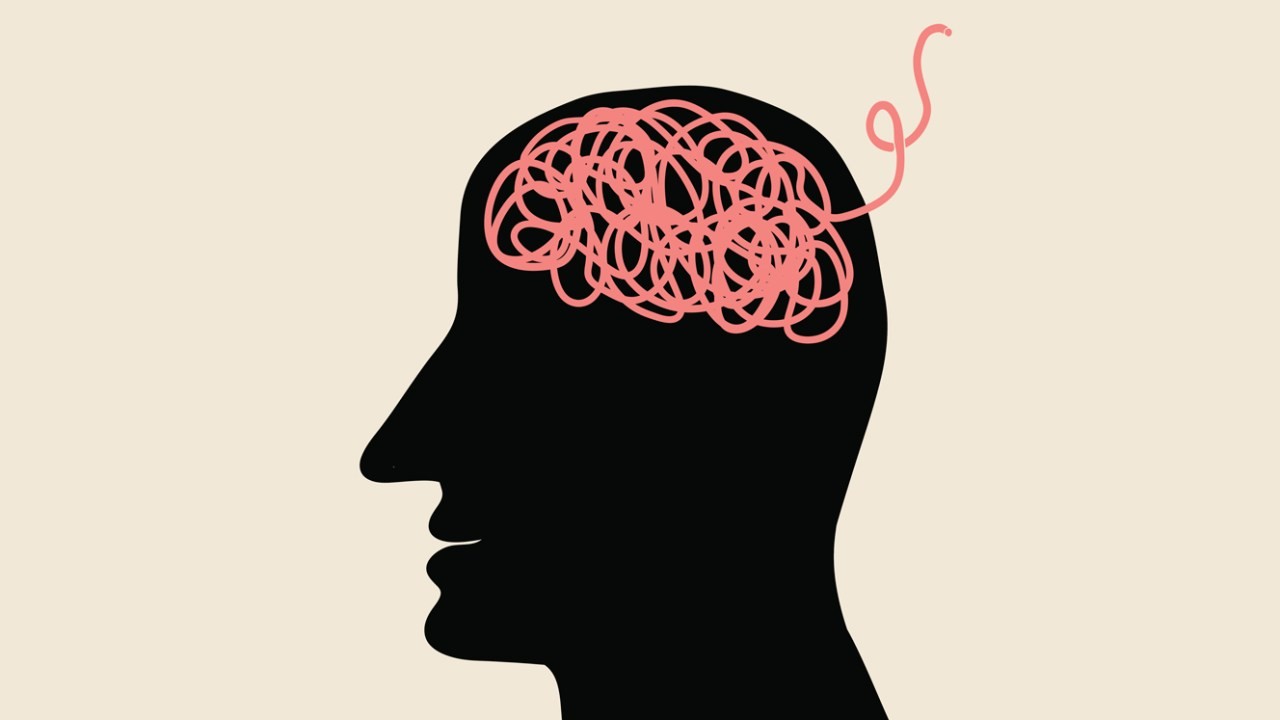
ADHD and motivation have a complicated relationship. When you live with ADHD, motivation is rarely a simple choice you make through willpower or self-discipline. Instead, your brain operates on an interest-based nervous system, meaning it needs immediate engagement, novelty, urgency, or emotional connection to start working on a task. When those elements are missing, getting started on something important can feel almost physically impossible, even when you genuinely care about getting it done.
Understanding how ADHD affects your drive allows you to replace self-blame with practical strategies. Rather than waiting for traditional willpower to strike, you can build environment cues and gentle routines that work with your brain's natural wiring.
Why standard motivation advice fails your brain
Most traditional advice about productivity tells you to sit down, remove distractions, and force yourself to work for hours. This advice rests on an assumption that does not apply to an ADHD brain. It assumes that if a goal matters enough to you, your brain will naturally release the necessary neurochemicals to focus and stay on track.
For an ADHD brain, knowing that a task is important is rarely enough to generate real momentum. You might desperately want to file your taxes, clear off your kitchen counter, or respond to an urgent work message, yet find yourself sitting frozen on the couch staring at your phone. This disconnect happens because ADHD alters how your brain processes reward, time, and effort. In typical executive functioning, future rewards feel meaningful enough to push you through current discomfort. In an ADHD brain, distant rewards carry very little emotional weight until the deadline becomes an immediate crisis.
This gap between wanting to do something and actually initiating the physical steps is not laziness or a lack of character. It is a core symptom of Understanding ADHD Executive Dysfunction and How to Cope. Recognizing that your brain requires specific conditions to initiate action is the first step toward working with your biology instead of fighting it.
The four triggers that actually spark ADHD motivation
Because traditional discipline is unreliable for an ADHD brain, you need to lean into the specific conditions that naturally activate your focus. Attention regulation in ADHD is driven largely by four distinct triggers.
- Interest: When a topic deeply sparks your curiosity, your focus turns on automatically without demanding extra effort.
- Novelty: A new environment, a different strategy, or an unfamiliar tool creates a surge of mental engagement that makes starting easier.
- Urgency: A tight deadline or an immediate real-world consequence provides the pressure your nervous system needs to mobilize.
- Challenge: Turning a dull chore into a game, a timed challenge, or a problem to solve brings an element of fun that captures your attention.
When you find yourself staring at an unstarted task, look closely at these four elements. If a job feels completely wall-like, it is usually because it contains zero interest, zero novelty, no urgent deadline, and no challenge.
Lowering the activation wall for everyday tasks
Relying on panic and last-minute urgency to finish every project is exhausting. Over time, living from crisis to crisis leads to severe burnout and stress. To build reliable momentum on routine tasks, you can intentionally build the other three triggers into your day while reducing the physical effort required to begin.
One effective strategy is shrinking the starting line until it feels completely non-threatening. When a project feels huge, your brain registers it as an overwhelming threat and shuts down your motivation. Instead of setting out to organize an entire room, make your initial goal taking out three items you no longer need. Instead of writing an entire document, aim to open the software and write one single sentence. Shrinking the entry point lowers the activation energy required to move, letting you take the first step without fight-or-flight resistance. To explore this technique further, read about The Art of Micro-Steps.
You can also introduce artificial novelty into mundane routines. If you always struggle to pay bills at your desk, try sitting outside with a clipboard or taking your laptop to a quiet park bench. Switching up your physical setup or listening to ambient audio can give your brain just enough sensory stimulation to keep moving forward. Balancing low-interest tasks with gentle external stimulation helps bridge the focus gap. You can find more strategies for this in Managing the Boredom Gap.
Handling the emotional side of low motivation
Struggling to start tasks often creates a painful internal cycle. You delay a project, feel guilty about missing your own expectations, criticize yourself for lacking self-discipline, and then feel even less capable of starting the next item on your list. Over time, this emotional baggage turns ordinary to-do items into huge hurdles.
It helps to remember that low task initiation is frequently an emotional response rather than an executive failure alone. When you notice yourself putting off a chore, pause and check in with how you feel. Are you feeling anxious about doing it incorrectly? Are you feeling exhausted from a long week? Reframing task paralysis as an emotional barrier allows you to handle yourself with patience and understanding rather than frustration. If you notice that guilt consistently blocks your progress, exploring how Procrastination is Emotion Regulation can give you useful perspectives on breaking free from shame.
Using external structure to create momentum
When internal drive is missing, external cues can step in to guide your focus. Setting up simple environmental prompts reduces the burden on your working memory and gives your brain clear signals on what to do next.
For example, leave your running shoes directly in front of the door if you plan to walk in the morning, or open the relevant browser tabs the night before you start work. By placing physical reminders directly in your line of sight, you reduce the decision-making fatigue that often kills motivation before you even start.
Working alongside another person also provides a subtle external anchor. Knowing someone else is nearby quietly holding space can keep your attention anchored to the task in front of you. You can try working at a local coffee shop, joining a quiet group work call, or having a family member sit in the room while you organize paper files.
How Untangle can help
When your motivation is low, figuring out how to break down a giant project takes energy you simply do not have. Untangle takes that heavy planning off your plate. Using the Tiny steps feature, Untangle breaks down intimidating tasks into manageable, bite-sized actions. Every task begins with a simple five-minute first step, removing the stress of starting so you can build momentum without forcing your brain through a wall.
This guide is educational and is not medical advice. Talk to a qualified clinician about your own situation.
Frequently asked questions
Why do I lack motivation even for things I enjoy with ADHD?
ADHD affects how dopamine is regulated in the brain. Even when you love a hobby or project, your brain may struggle to initiate action if you feel tired, overwhelmed, or sensory-drained. This is why task initiation can feel blocked even for activities you genuinely care about.
How can I force myself to do boring tasks with ADHD?
Forcing rarely works long term. Instead, pair dull tasks with external stimulation. Try listening to an engaging podcast while folding laundry, changing your physical work location, or using micro-steps to lower the starting barrier so your brain encounters less resistance.
Is low motivation in ADHD the same as laziness?
No, low motivation in ADHD is rooted in brain chemistry and executive functioning, not a lack of effort or caring. People with ADHD often desperately want to accomplish their goals but experience cognitive friction when trying to convert intention into physical action.
How does urgency help ADHD motivation?
Urgency creates immediate pressure, triggering a surge of focus that helps an ADHD brain overcome activation paralysis. While effective in short bursts, relying solely on last-minute deadlines can lead to exhaustion, so pairing urgency with smaller micro-steps is much healthier.
Keep reading

Understanding ADHD Executive Dysfunction and How to Cope
Learn what ADHD executive dysfunction is, why willpower will not fix it, and simple strategies to reduce task friction and regain momentum daily.

The Art of Micro-Steps
Learn how using adhd micro steps can reduce task paralysis, eliminate decision fatigue, and make starting big projects practically effortless.

Managing the Boredom Gap
Learn why the ADHD boredom gap feels so intense and discover practical stimulation snacks to make repetitive tasks engaging and manageable.
Thoughts & Reflections