Owning your ADHD Strengths
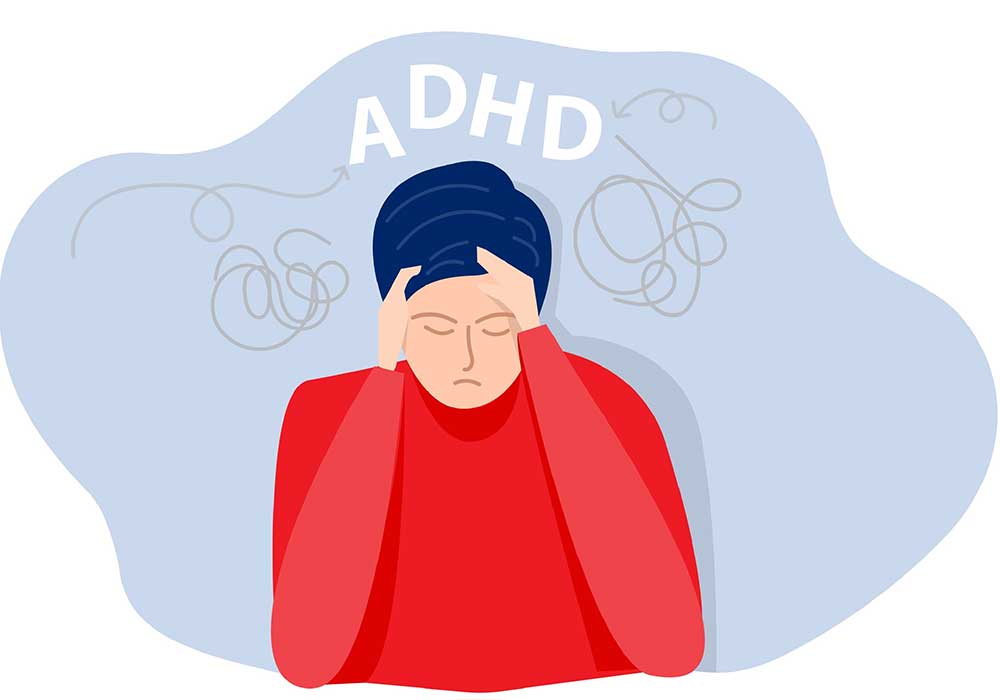
Owning your ADHD strengths means recognizing that while an ADHD brain struggles with executive function and routine tasks, it often excels in creativity, crisis management, empathy, and rapid problem-solving. Learning to lean into these natural traits lets you design a life that works with your neurology instead of constantly fighting against it.
For years, many adults with ADHD hear primarily about what they fail to do. You might remember forgotten assignments, late arrivals, half-finished projects, or mislaid keys. When everyday tasks take extra effort, it is easy to view your brain purely through the lens of what is broken. But executive function challenges are only one side of the story.
Understanding what adhd really is helps reframe these experiences. ADHD is primarily a challenge with regulating attention, energy, and working memory, not a lack of talent or intelligence. When interest and urgency align, the same brain that misplaces everyday objects can generate novel ideas, stay calm during sudden chaos, and make connections that others miss.
Understanding how your brain works differently
To build on your natural gifts, it helps to understand why your brain operates the way it does. The ADHD brain relies heavily on novelty, interest, challenge, and urgency to stimulate dopamine production. When a task lacks these elements, starting or staying engaged feels like moving through wet cement.
However, when a situation presents genuine interest or high stakes, your brain can enter a state of deep engagement. This intensity allows you to immerse yourself in complex topics, notice patterns quickly, and work with remarkable speed. You can read more about how to capture this state in our guide on harnessing hyperfocus.
Recognizing this mechanism is crucial. You are not lazy or disorganized by choice. Your brain simply processes context, motivation, and priority differently than a neurotypical brain. Once you accept this basic reality, you can stop blaming yourself for struggling with rigid, repetitive systems and start building environments that highlight your natural problem-solving abilities.
Key ADHD strengths and how they show up
While every individual experiences ADHD differently, several distinct traits frequently surface as advantages in daily life, work, and relationships.
- Hyper-focus and deep immersion: When a subject captivates your interest, you can absorb vast amounts of information or complete complex projects in a single sitting.
- Lateral thinking and innovation: Because your mind naturally jumps between ideas, you make unexpected connections that lead to creative solutions.
- Calmness under pressure: In unexpected emergencies or fast-paced crises, high-arousal situations match your brain's natural stimulation needs, allowing you to stay focused while others feel overwhelmed.
- High empathy and intuition: Experiencing personal struggles often creates deep intuition for the feelings of others, making you a supportive teammate, friend, or partner.
- Adaptability and spontaneity: Rigid routine can feel stifling, but sudden shifts in plans rarely throw you off balance. You adjust quickly when circumstances change.
These characteristics are not accidental side effects. They are direct results of a mind designed to explore possibilities rather than follow strict, linear tracks.
Shifting away from deficit-based thinking
For many adults, the biggest hurdle to using their strengths is an accumulated history of self-doubt. Years of trying to fit into standard workplace structures or traditional scheduling tools can leave you feeling chronically behind.
Breaking this pattern requires deliberate effort to stop judging yourself by standard neurotypical expectations. You can explore practical steps for this mindset shift in our guide on ending the comparison trap. When you constantly evaluate your worth based on how easily you file paperwork or keep an immaculate desk, you overlook the immense value you bring through high-level thinking, enthusiasm, and rapid adaptation.
Reframing does not mean ignoring real challenges. It means recognizing that executive dysfunction is a practical obstacle to manage, not a reflection of your worth, intelligence, or character. When you stop expending all your energy trying to fix every minor weakness, you free up cognitive bandwidth to cultivate the areas where you naturally excel.
Practical ways to lean into your strengths daily
Leveraging your strengths requires deliberate setup in your work environment, daily routines, and self-talk. Here are practical adjustments you can make to start working with your brain.
Align your work with your dynamic energy. If you thrive on novel challenges, seek out roles or projects with high variety, clear goals, and fast feedback loops. Fast-paced environments, creative fields, or project-based work often suit an ADHD brain far better than quiet maintenance roles. If you want specific workplace strategies, see our article on succeeding at work.
Delegate or simplify low-interest maintenance tasks. Trying to force yourself through hours of tedious administrative work depletes the energy you need for high-value thinking. Where possible, automate bills, use simple digital templates, or partner with colleagues whose strengths complement yours.
Structure for rapid entry rather than long endurance. Because your focus relies heavily on initial momentum, focus on reducing friction at the beginning of any project. Clear your immediate physical workspace of unnecessary distractions, open only the document you need, and give yourself permission to work in short, intense bursts rather than marathon sessions.
Create safe spaces for creative brain dumps. When your brain generates ten ideas at once, do not force yourself to filter or organize them immediately. Capture every thought quickly in a designated notebook or digital tool. Once the raw ideas are out of your head, you can sort through them with a clearer mind.
Protect your peak energy windows. Pay attention to the times of day when your focus feels most accessible. Reserve those hours for complex problem-solving, writing, or strategic work, and push routine administrative tasks to your low-energy windows.
How Untangle can help
When your mind is overflowing with ideas, capturing them quickly before they vanish is essential. Untangle includes a Brain dump feature where you can type or speak everything currently on your mind without worrying about order or formatting. Aaron, the in-app coach, takes that unorganized stream of thoughts and converts it into a clear, structured plan. This lets you capture your creative bursts instantly while keeping administrative stress to a minimum.
This guide is educational and is not medical advice. Talk to a qualified clinician about your own situation.
Frequently asked questions
What are common strengths associated with ADHD?
Common ADHD strengths include creative problem-solving, rapid adaptability, empathy, and hyper-focus on engaging topics. People with ADHD often excel in high-pressure situations, generating innovative solutions when traditional methods fail. Understanding what adhd really is helps you recognize these positive traits.
How can I use my ADHD strengths at work?
You can leverage your strengths by seeking project-based work, automating repetitive tasks, and working in short bursts of high energy. Partnering with colleagues who excel in routine maintenance lets you focus on high-level brainstorming and creative problem-solving. For more tips, read about succeeding at work.
Why is it hard to see ADHD as a strength?
Many adults with ADHD spent years being judged by standard executive function expectations, such as organizing files or meeting rigid deadlines. Over time, this creates negative self-talk. Learning about ending the comparison trap can help you focus on your genuine skills instead of perceived shortcomings.
Can hyperfocus be controlled and used intentionally?
While hyperfocus often triggers automatically around high-interest topics, you can encourage it by reducing initial friction and creating clear goals. Setting up a dedicated environment and working on engaging projects helps channel this intense focus productively. Learn more in our guide on harnessing hyperfocus.
Keep reading
Succeeding at Work
Learn practical strategies for succeeding at work with ADHD. Discover job crafting tips, focus tools, and ways to manage everyday workplace overwhelm.
Ending the Comparison Trap
Learn how the adhd comparison trap distorts your progress, why comparing your chaos to others' highlight reels hurts, and how to build your own baseline.

ADHD Workplace Accommodations: Practical Setup Guide
Discover practical ADHD workplace accommodations that help you focus, organize tasks, and manage overwhelm without unnecessary stress at work.
Thoughts & Reflections