Ending the Comparison Trap
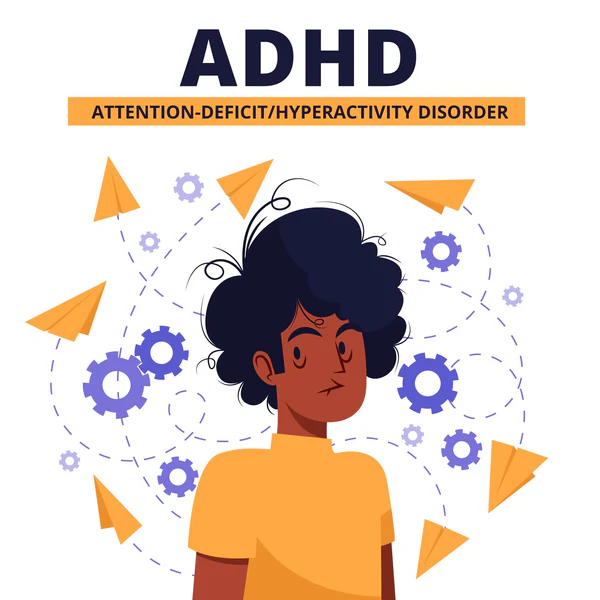
The adhd comparison trap happens when you measure your internal executive function struggles against the polished, external results of people around you. Breaking free from this habit requires shifting your focus away from standard expectations and building daily routines that fit the way your mind actually processes effort, time, and focus.
Why comparison hurts the ADHD mind
It is common to watch a coworker finish a project smoothly or see a friend maintain an immaculate living room and ask yourself why simple tasks feel so heavy for you. When you have ADHD, activities that require multi-step planning, working memory, or sustained attention demand significantly more effort than they do for neurotypical adults. When you ignore that invisible tax, you end up judging your natural energy cycles against someone else's daily routine.
This constant comparison often leads to intense feelings of inadequacy. Over time, watching others handle administrative tasks, pay bills on time, or answer messages promptly creates a narrative that you are simply careless. In reality, your brain handles attention and motivation differently. When you expect yourself to thrive under systems designed for different cognitive processing, you invite unnecessary frustration. Recognizing how emotional sensitivity affects self-evaluation can help break this cycle, especially if you experience emotional spikes linked to understanding RSD.
Behind-the-scenes reality versus highlight reels
When you look at another person, you only see their final output. You see the clean kitchen counter, the completed spreadsheet, or the steady work habit. You rarely see the support systems, routines, or external resources that allowed them to reach that result without friction.
In contrast, you live inside your own behind-the-scenes reality. You experience every moment of task paralysis, every misplaced pair of glasses, every unread email, and every cluttered desk drawer. Comparing your internal struggle to another person's public highlight reel creates an impossible standard. A neurotypical adult might spend ten minutes organizing a weekly schedule because their mind naturally groups related tasks. For an adult with ADHD, that exact task might involve a massive mental hurdle before the first words are written on paper.
Measuring these two experiences as if they were equal ignores how attention regulation functions. When you assume everyone around you operates under identical internal conditions, you hold yourself accountable to rules that were never written for your brain. The result is chronic fatigue and unnecessary shame.
Shifting from external standards to personal baseline
Instead of asking why a process is not as easy for you as it seems for someone else, start tracking your personal baseline. Your baseline consists of your honest starting point. It includes how long you can comfortably focus before needing movement, which physical environments help you start tasks, and what time of day your concentration feels most natural.
Building a personalized approach often means letting go of conventional advice that insists there is only one correct way to organize a week or clear an inbox. If traditional paper planners make you feel defeated, using them just because others find them helpful only reinforces the comparison trap. You can explore rewiring your thought patterns to replace rigid expectations with flexible experiments that suit your actual energy levels.
Progress looks different when you measure it against your own history rather than someone else's current performance. Finishing one difficult phone call by breaking it down into short steps is a genuine accomplishment, even if a peer appears to clear a whole list of calls without taking a break. Your trajectory belongs entirely to you.
Practical ways to interrupt comparison habits
When you catch yourself comparing your output to someone else's pace, you need concrete steps to pull your attention back to your own environment. Small changes in how you handle self-talk and daily planning can create enough space to disrupt automatic shame.
- Name the comparison immediately. As soon as you notice a thought that someone else has everything figured out, state clearly to yourself that you are comparing your internal state to their visible result.
- Audit your environment for trigger points. Notice when comparison thoughts peak. If browsing social media feeds or sitting in certain group meetings sparks self-criticism, limit your exposure to those triggers.
- Shrink your current task. When you feel behind, reduce your immediate goal to a tiny action step so you can regain momentum without needing massive willpower.
- Record your finished actions. Keep a simple running list of things you completed today, no matter how minor they seem, to anchor your mind in concrete evidence of effort.
- Define your own completion criteria. Decide what acceptable completion looks like for your project instead of aiming for an imagined standard of neurotypical perfection.
Focusing on your genuine strengths
ADHD affects executive function, but it also comes with unique ways of processing information. Adults with ADHD often bring creative problem solving, rapid pattern recognition, and deep hyperfocus to tasks that spark genuine curiosity.
When you stop trying to force your workflow into a rigid mold, you free up mental space to rely on these natural tendencies. If you solve problems best through non-linear brainstorming, embrace voice notes or visual sketches rather than forcing yourself to write formal outlines. Learning more about owning your ADHD strengths allows you to build a work life around what you do well, rather than spending all your energy attempting to fix areas of natural friction.
Your path to getting things done will look different from the paths of those around you. Accepting that non-linear style is not a compromise or a failure. It is a practical strategy for working alongside your brain instead of fighting it every morning.
How Untangle can help
When daily plans fall apart, comparison often sneaks back in, making you feel like you are constantly falling behind everyone else. Untangle helps you manage your day without the weight of rigid, unfulfilled schedules.
Using the My Day feature, you can view your tasks along a flexible daily timeline that matches your actual pace. If unexpected distractions throw off your afternoon or a task takes much longer than planned, My Day lets you replan your schedule in one tap with no guilt. Instead of staring at an outdated to-do list and feeling like you failed, you immediately get a clean, updated plan designed for where you are right now.
This guide is educational and is not medical advice. Talk to a qualified clinician about your own situation.
Frequently asked questions
Why do I constantly compare myself to neurotypical adults?
Comparing yourself to others often happens because standard society measures success through neurotypical markers like steady attention and neat organization. When ADHD makes these tasks harder, it is easy to assume you are falling behind rather than recognizing that your executive function works differently.
How can I stop feeling shame when I fall behind on tasks?
Reduce shame by replacing fixed expectations with flexible baselines. Track your progress against your own past performance rather than someone else's output, and break large goals into small steps so you can celebrate honest momentum every day.
Can adults with ADHD still build effective daily routines?
Yes, adults with ADHD can build highly effective routines by focusing on flexibility instead of strict perfection. Using tools that accommodate energy shifts and allow quick adjustments helps keep your routines functional over time.
Keep reading
Understanding RSD
Learn what rejection sensitive dysphoria ADHD feels like, why emotional pain feels physical, and practical tools to reality test your thoughts.
Owning your ADHD Strengths
Learn practical ways of owning your ADHD strengths. Discover how creativity, hyperfocus, and lateral thinking can help you build a life that works.

ADHD Workplace Accommodations: Practical Setup Guide
Discover practical ADHD workplace accommodations that help you focus, organize tasks, and manage overwhelm without unnecessary stress at work.
Thoughts & Reflections