Understanding RSD
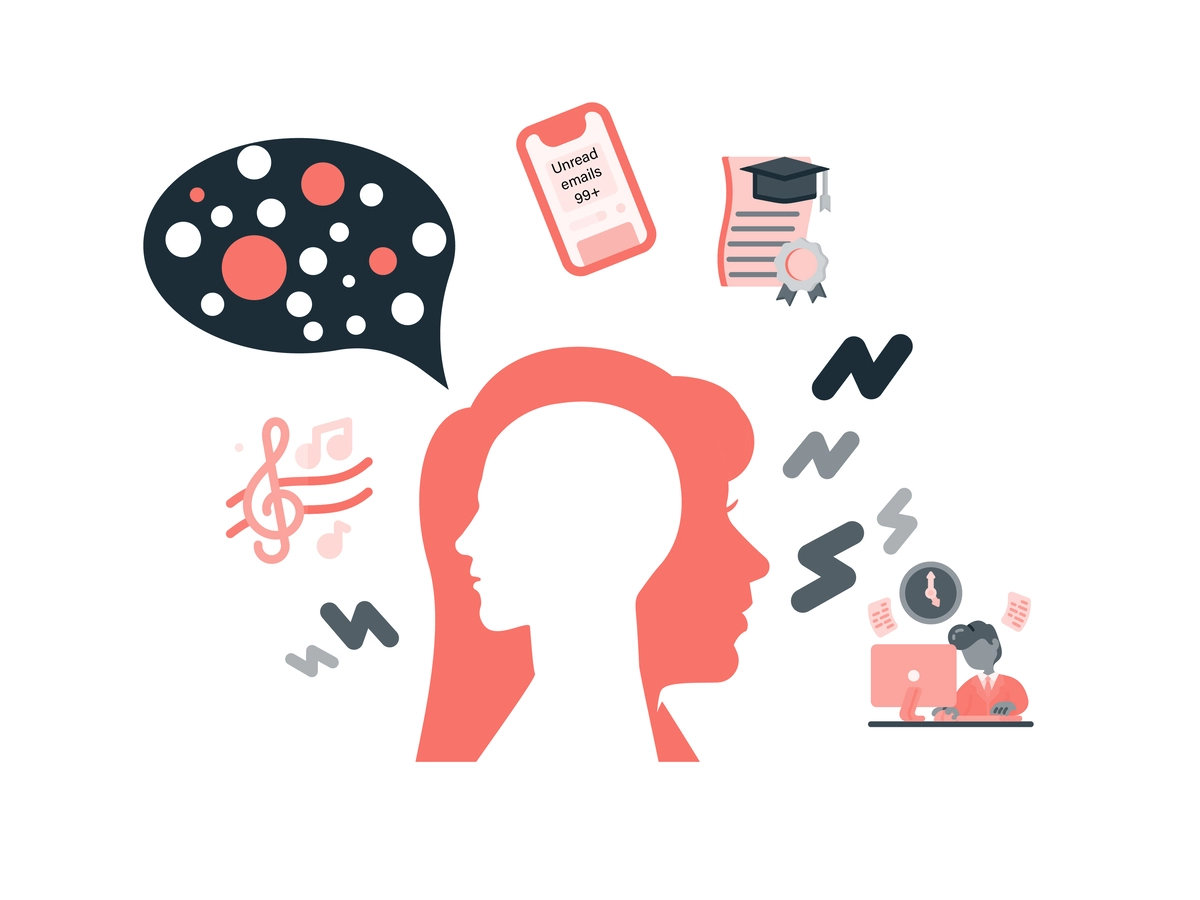
Rejection sensitive dysphoria is an intense emotional reaction to the feeling of being rejected, criticized, or failing to meet expectations. For adults with ADHD, this response can feel sudden, overwhelming, and even physically painful, even when no actual rejection took place.
You might read a brief message from your boss that says "Let's talk later" and immediately assume you are about to be fired. Your heart beats faster, your stomach drops, and your mind races through every mistake you made this week. Hours later, you find out your boss just wanted to ask where a file was saved. The relief comes, but the emotional exhaustion remains. This experience is common when you live with ADHD, where emotional regulation works differently than it does for neurotypical individuals.
What rejection sensitive dysphoria feels like
Rejection sensitive dysphoria, often abbreviated as RSD, is not a lack of emotional maturity. It is a neurological tendency to process perceived disapproval as a severe injury. While anyone can feel hurt by criticism, people experiencing RSD encounter emotional pain that feels immediate and unbearable.
This pain often arrives without warning. A friend takes longer than usual to reply to a text, or a coworker gives mild feedback on a document. Instead of mild hesitation, your brain registers the situation as a total rupture in the relationship. The response happens so quickly that your logical brain rarely gets a chance to weigh in first.
Because the emotional surge is so sharp, your body reacts as if it is in actual physical danger. Muscles tense up, your throat feels tight, and you might experience a surge of embarrassment or shame. You can read more about how your neurological wiring affects these responses in our article on inside the ADHD brain.
Why ADHD makes emotional pain feel physical
ADHD affects how the brain regulates attention, executive function, and emotional responses. When a strong feeling starts, the internal brakes that normally slow down an emotional reaction do not engage right away. As a result, feelings go from zero to one hundred in a split second.
Living with ADHD also means you likely grew up receiving far more correction and negative feedback than your peers. Forgotten homework, misplaced keys, interrupted conversations, and late arrivals often draw criticism from parents, teachers, and employers. Over years, these accumulated experiences create a heightened sensitivity to any hint that you have disappointed someone.
When a new situation triggers that familiar feeling of falling short, your brain pulls up every previous moment of shame. The current event might be tiny, but the emotional weight behind it includes years of stored frustration. Understanding this connection can help you see why your reaction feels so huge, rather than judging yourself for overreacting.
Common coping behaviors that backfire
When emotional pain feels unbearable, your brain naturally looks for ways to protect itself. Adults with ADHD often develop specific behavioral habits to shield themselves from perceived rejection. While these habits feel protective in the moment, they usually create more stress over time.
- People-pleasing: You say yes to every request, stretch your calendar to the limit, and hide your own needs to keep everyone around you happy.
- Perfectionism: You spend three hours polishing an email or delay submitting a project because any small flaw feels like an invitation for harsh judgment.
- Total avoidance: You stop reaching out to friends, decline social invites, or put off answering messages to eliminate any chance of negative feedback.
- Instant defensiveness: You react sharply to constructive feedback before hearing the full story, creating friction in relationships.
Notice how these patterns drain your daily energy. When you exhaust yourself trying to prevent every possible critique, daily tasks become twice as hard. Learning about managing intense emotions can offer healthier ways to process these moments without falling into people-pleasing or withdrawal.
Reality testing your thoughts
One of the most effective tools for handling rejection sensitive dysphoria is reality testing. This technique involves taking a step back from your immediate emotional response to examine the evidence behind your thoughts.
When a wave of rejection hits, your mind fills in the blanks with the worst possible narrative. If someone looks tired during a meeting while you are speaking, your brain tells you they are bored or annoyed with you. Reality testing asks you to pause and consider alternative explanations. Could they have had a poor night of sleep? Are they worried about their own deadline?
To practice reality testing, ask yourself a few direct questions when your stomach drops:
Do I have clear evidence that this person is upset with me?
What are two other reasons they might be acting this way?
If they are upset, is it a temporary problem that can be resolved with a calm conversation?
Giving yourself space between the feeling and your action allows your logical brain to catch up. You can explore techniques for creating this space in our guide on building pause muscles. Over time, practicing this pause makes the emotional spikes feel less authoritative.
Practical strategies to ground yourself
Managing the sudden spike of RSD requires physical and mental grounding tools that reset your nervous system. When your body enters a fight-or-flight response, intellectual reasoning alone is rarely enough to quiet the alarm.
First, focus on physical grounding. Place both feet firmly on the floor, drop your shoulders away from your ears, and breathe out slowly. Prolonged exhales signal to your nervous system that you are safe in the immediate environment. You can also hold a cool glass of water or splash cold water on your face to break the cycle of racing thoughts.
Second, label the experience out loud or in writing. Saying to yourself that this is an RSD spike, not a permanent reality, creates distance between your core identity and the emotion passing through you. Recognizing the pattern helps take away its power to dictate your behavior.
Third, reframe negative self-talk. When your mind tells you that everyone is disappointed in you, actively replace that thought with something grounded in facts. If you struggle with comparison and self-judgment, check out our guide on ending the comparison trap for additional perspective.
Finally, communicate your needs when you feel calm. If you know that short, vague messages from a partner or colleague trigger anxiety, let them know in advance. Asking for a little extra context in messages can prevent unnecessary stress for both of you.
How Untangle can help
When emotional spikes make your mind feel chaotic and full of worst-case scenarios, organizing your daily tasks can feel nearly impossible. Untangle offers a quiet space to clear your head without judgment. With the Brain dump feature, you can type or speak everything on your mind, from looming deadlines to racing worries. Aaron, the in-app coach, organizes that chaotic input into a clear, manageable plan, making it easier to take the next calm step forward.
This guide is educational and is not medical advice. Talk to a qualified clinician about your own situation.
Frequently asked questions
What triggers rejection sensitive dysphoria?
RSD is typically triggered by perceived or real criticism, rejection, or a feeling of failing to meet high personal standards. Even minor situations, such as a delayed text message or a neutral work comment, can trigger an intense surge of emotional distress in adults with ADHD.
Is rejection sensitive dysphoria a formal medical diagnosis?
RSD is not currently classified as an official diagnosis in diagnostic manuals. Instead, it is a widely recognized term used to describe the extreme emotional sensitivity and regulation challenges that many adults with ADHD experience in their daily lives and relationships.
How do you stop an RSD spiral when it starts?
To calm an RSD spiral, focus first on physical grounding by taking slow exhales or drinking cold water. Name the feeling to create distance between yourself and the emotion, then practice reality testing by asking if you have clear evidence for your fears or if alternative explanations exist.
Keep reading
Ending the Comparison Trap
Learn how the adhd comparison trap distorts your progress, why comparing your chaos to others' highlight reels hurts, and how to build your own baseline.
Managing Intense Emotions
Learn why ADHD causes intense emotional reactions and discover practical strategies for managing intense emotions, pausing before reacting, and finding calm.
ADHD Workplace Accommodations: Practical Setup Guide
Discover practical ADHD workplace accommodations that help you focus, organize tasks, and manage overwhelm without unnecessary stress at work.
Thoughts & Reflections