ADHD Rejection Sensitivity: Why It Hurts and How to Cope

ADHD rejection sensitivity is an intense emotional reaction to real or perceived criticism, rejection, or failure. It can cause sudden waves of shame, hurt, or physical tightness, often making small everyday moments feel overwhelming.
If you have adult ADHD, you might notice that a constructive note on a work project feels like a personal attack. An unread text message from a friend can trigger a spiral of worry that they are upset with you. An unexpected edit on an assignment might make you want to walk away from the whole project. These emotional and physical reactions happen quickly, often before your conscious mind has time to process what actually took place.
Living with this kind of sensitivity can feel exhausting because your nervous system stays on high alert. You are constantly scanning conversations, tone of voice, and facial expressions for subtle signs that someone is unhappy with you. Understanding how this response works and learning simple ways to ground yourself when it happens can help you regain balance and protect your peace of mind.
What rejection sensitivity feels like in adult ADHD
Rejection sensitivity is not simply caring deeply about what others think. It is a rapid, involuntary shift in how your body and mind react to social cues. A mild piece of feedback that someone else might brush off can feel like a heavy weight in your chest.
You might experience concrete moments like these during a typical week:
- You hand in a report at work, and your manager asks to revise one section. Your mind immediately jumps to the thought that your entire work performance is poor and your job is in danger.
- A friend cancels weekend plans due to a family matter. Instead of taking the explanation at face value, you replay your last conversation to figure out what you said wrong.
- You share a new idea in a group chat, and nobody replies for twenty minutes. You feel an urge to delete the message and apologize for interrupting.
This intense discomfort is closely linked to understanding rsd, where emotional pain arrives like a sudden surge rather than a gradual build. Because the feeling is so uncomfortable, you might develop protective habits over time. You might agree to extra tasks you do not have energy for just to keep everyone happy. Or you might avoid starting difficult projects altogether because the risk of making a mistake feels too painful to face.
Why the brain reacts so strongly to criticism
ADHD affects how the brain regulates attention, effort, and emotional signals. When a situation feels negative or uncertain, your attention can instantly lock onto that uncomfortable feeling. Rather than evaluating the situation evenly, your brain amplifies the negative signal until it fills your entire focus.
Because managing emotions requires significant mental effort, an already tired or stressed brain has fewer resources available to put feedback into perspective. If you spent your whole morning handling demanding tasks or coping with distractions, your emotional filter is already drained by afternoon. A neutral comment can easily slip past your guard and feel like a serious blow.
It is also common to notice that procrastination is emotion regulation. When you delay opening an email, sending a message, or submitting a final draft, your brain is often trying to shield you from perceived failure or negative judgment. Recognizing that avoidance is a defense mechanism rather than laziness helps you treat yourself with more understanding.
Recognizing the sudden emotional shift
When emotional sensitivity takes over, your body usually signals the threat before your mind puts it into words. You might feel your heart rate quicken, your face get warm, your throat tighten, or a sudden heavy feeling settle in your stomach.
Learning to spot these physical signs is crucial. The moment you feel that familiar surge, try to name it silently. You can say to yourself, "My body is experiencing an emotional surge right now." Naming the feeling shifts your focus slightly away from the emotional distress and back toward your observing mind.
This small step creates a gap between the initial trigger and your reaction. In that brief window of time, you gain space to pause. Instead of immediately typing a defensive response, sending an unnecessary apology, or withdrawing into isolation, you can let the first wave of intensity pass.
Practical strategies to ground yourself in the moment
When an emotional spike happens, logical reasoning alone is rarely enough to calm your nervous system. You need simple, physical actions that help restore a sense of safety.
- Pause before responding: When a message or comment triggers panic or hurt, enforce a mandatory waiting period. Step away from your computer or phone for ten minutes before drafting a reply.
- Reset your body: Drink a glass of cold water, wash your hands with cool water, or walk into another room. Physical shifts help disrupt the automatic stress response.
- Separate facts from interpretations: Take a sheet of paper and write down the exact words that were said. Below that, write down the meaning your brain attached to those words. Seeing the difference between what actually happened and what your mind assumed helps quiet the spiral.
- Lengthen your exhale: Take four slow breaths, focusing on making your exhale longer than your inhale. This signals to your nervous system that you are safe in the present moment.
Building long-term buffer against emotional spikes
Quick grounding tools are vital for acute moments, but long-term relief comes from lowering your baseline stress. When your everyday stress is manageable, unexpected feedback or neutral comments are far less likely to set off an intense reaction.
Working on rewiring your thought patterns can help you question automatic assumptions before they turn into conviction. When you catch yourself thinking "They must be angry with me," practice adding alternative explanations. The other person might be dealing with a personal issue, running late, or simply focused on their own work. Their response is rarely a direct reflection of your worth.
Developing skills for managing intense emotions allows you to build trust in your ability to survive uncomfortable feelings. When you know you have tools to steady yourself, the fear of potential rejection loses much of its power over your choices.
How Untangle can help
When your brain is overwhelmed by worries or painful thoughts after a stressful conversation, keeping those thoughts inside your head makes everything feel bigger. Untangle offers a Brain dump feature where you can type or speak everything on your mind without worrying about formatting or logic. Aaron, the in-app coach, organizes your scattered thoughts into clear, structured steps so you can regain clarity and move forward with confidence.
This guide is educational and is not medical advice. Talk to a qualified clinician about your own situation.
Frequently asked questions
Is rejection sensitivity an official ADHD symptom?
While rejection sensitivity is widely recognized by clinicians who support adults with ADHD, it is not listed as a standalone diagnostic criterion in official medical manuals. Instead, it is understood as a key aspect of how ADHD affects emotional regulation and executive function, making intense emotional responses to perceived criticism very common.
How can I tell if my reaction is rejection sensitivity or actual criticism?
The main indicator is the speed and physical intensity of your emotional response. Rejection sensitivity often triggers immediate chest tightness, intense shame, or panic before you have time to evaluate the situation. Writing down the plain facts of what was said helps you separate neutral feedback from emotional assumptions.
What is the difference between RSD and general sensitivity?
General sensitivity involves feeling emotions deeply over time. Rejection sensitive dysphoria, or RSD, causes sudden, severe emotional pain triggered by real or perceived rejection. You can read more in our guide on understanding rsd to learn how these emotional surges work.
How can I calm down quickly during an emotional reaction?
Start by physically stepping away from the situation for ten minutes. Reset your nervous system with cold water or slow breathing, making your exhalations longer than your inhalations. Naming the surge out loud or on paper creates mental space so you can respond thoughtfully instead of reacting impulsively.
Keep reading
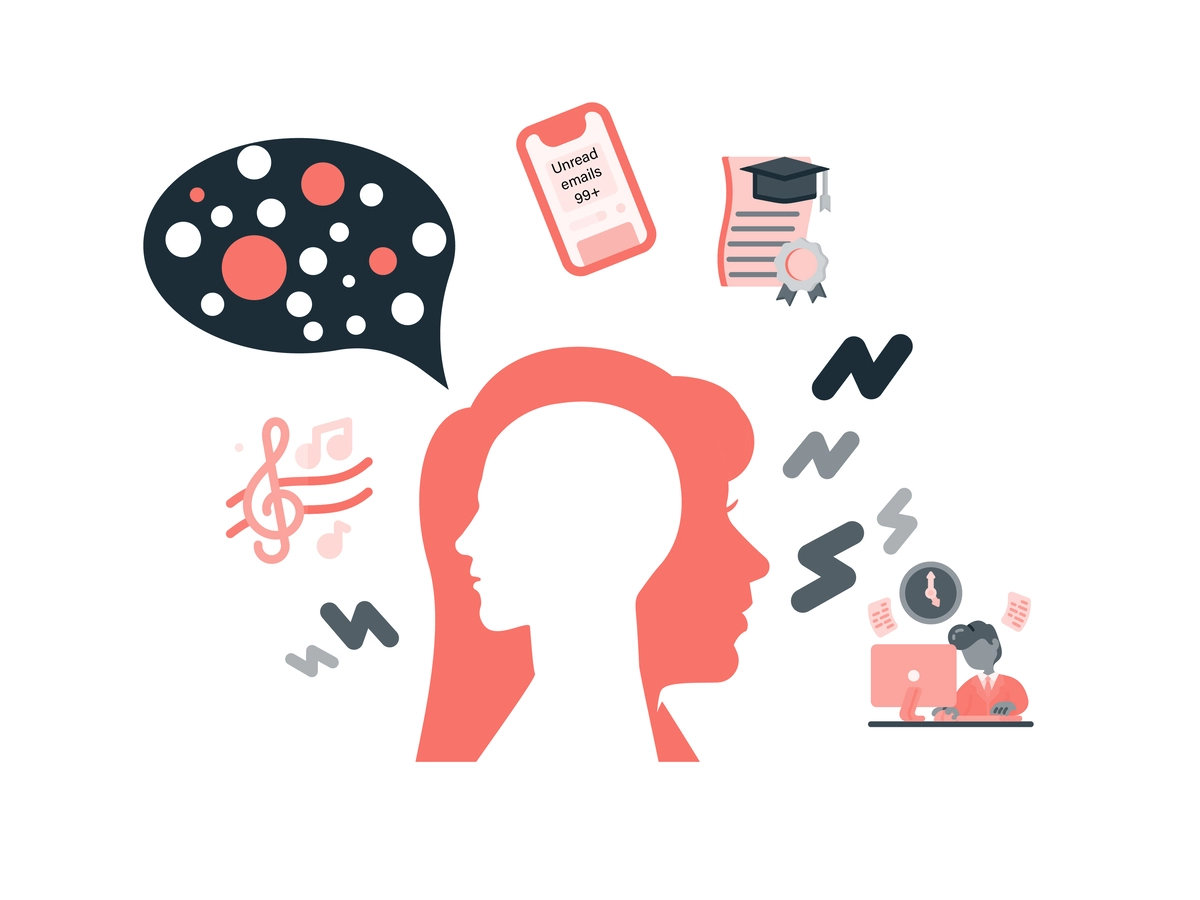
Understanding RSD
Learn what rejection sensitive dysphoria ADHD feels like, why emotional pain feels physical, and practical tools to reality test your thoughts.
Procrastination is Emotion Regulation
Discover why procrastination is an emotion regulation challenge rather than poor time management, and learn practical strategies to overcome task avoidance.
Managing Intense Emotions
Learn why ADHD causes intense emotional reactions and discover practical strategies for managing intense emotions, pausing before reacting, and finding calm.
Thoughts & Reflections