The Holistic Toolkit
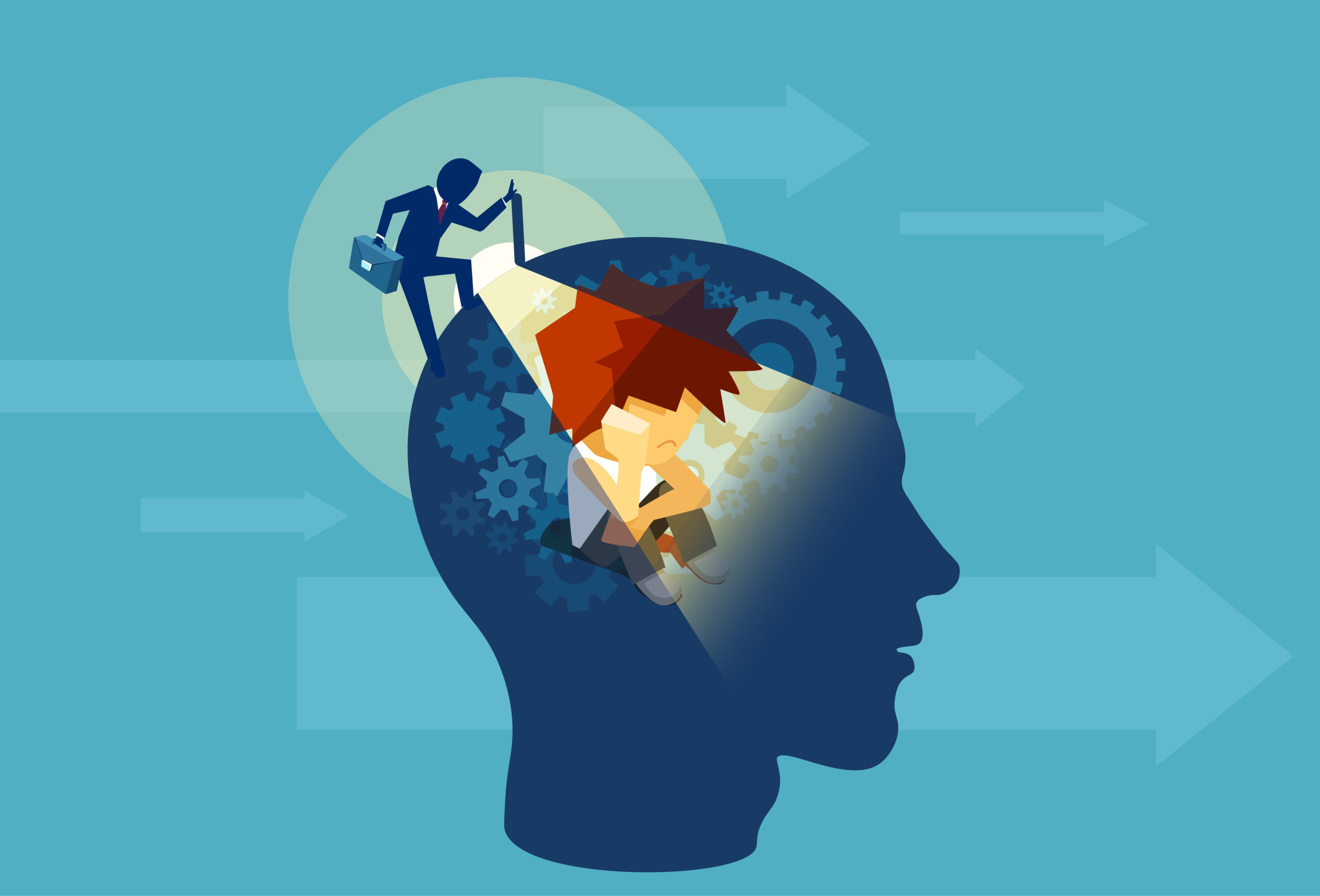
Building a holistic ADHD toolkit means combining practical skills, sensory support, environmental tweaks, and healthy daily habits into a system tailored to your specific brain. Because ADHD affects attention regulation in varied ways depending on stress, fatigue, and interest, relying on a single technique rarely provides long-term stability.
When you rely on just one strategy to stay organized or focused, a predictable cycle often happens. The strategy works brilliantly for a few days or weeks while it feels novel, but as soon as your brain gets used to it, the effect fades. You might blame yourself for losing momentum, assuming you lacked discipline. In reality, an ADHD brain thrives on novelty and multi-layered support. A holistic strategy gives you a collection of complementary options so that when one tool loses its spark, you have other reliable methods ready to support you.
Beyond single solutions: why a multimodal approach works
ADHD affects how the brain manages executive functions like planning, working memory, and emotional regulation. Because these functions interact constantly throughout your day, an issue in one area often spills over into another. For example, poor sleep can worsen task initiation, which increases stress, which then makes it harder to organize your thoughts. Understanding what ADHD really is helps explain why a single fix rarely solves every daily challenge.
A multimodal approach recognizes that managing ADHD requires support across several layers of daily life. Rather than looking for a single magic solution, you assemble a toolkit containing different types of gear. One tool might help you get out of a morning freeze state, while another helps you quiet physical restlessness during an afternoon meeting. By mixing behavioral strategies, physical adjustments, and sensory cues, you build a safety net that catches you when one specific skill fails to work on a difficult day.
Managing your brain becomes much easier when you stop expecting one planner or one routine to fix everything. When your environment, your body, and your cognitive tools work together, you spend less energy fighting against your brain and more energy getting things done.
Skill building and external executive function
Your brain excels at generating ideas, connecting concepts, and reacting to immediate needs, but holding complex sequences in your head takes a heavy toll on working memory. One core layer of any toolkit involves externalizing your thought processes. When you write down your steps or use visual trackers, you offload mental fatigue and save your energy for execution.
Professional guidance like ADHD coaching often focuses on building these practical systems. A coach helps you figure out where your workflow breaks down and collaborates with you to design simple, repeatable structures. This might look like establishing a clear start-of-day ritual or mastering the art of micro-steps to make daunting tasks manageable. Instead of forcing yourself to try harder, skill building teaches you to change the structure of the task itself.
External systems do not have to be complicated to be effective. A simple checklist pinned to your monitor, a visible clock on your desk, or a shared calendar can perform the heavy lifting that your working memory struggles to handle. The goal is to make your plans visible and physical so your brain does not have to expend effort constantly remembering what comes next.
Sensory anchors and background stimulation
Many adults with ADHD live with a constant baseline level of under-arousal or restless mental noise. When your brain does not receive enough background stimulation, it seeks out distractions, jumping between browser tabs, checking your phone, or pacing the room. Sensory tools work by providing gentle, predictable input that satisfies this need for stimulation without pulling your conscious focus away from your work.
Background audio like brown noise or white noise creates a smooth frequency buffer that masks sudden environmental sounds. Many people find that the deep, low rumbling of brown noise calms an overactive stream of thoughts better than music with lyrics. The continuous sound saturates your auditory processing just enough to quiet the urge to look around for extra stimulation.
Physical inputs also play a major role in regulating focus. Fidget items, weighted lap pads, or taking a quick splash of cold water on your face can reset your physical alertness. A cold shower or washing your hands in chilly water creates an immediate shift in body temperature, triggering a quick boost in alertness that can break up task paralysis when you feel stuck on the couch.
Body doubling and social support
Working in total isolation often amplifies focus struggles. When you are alone with a tough task, the internal resistance can feel immense, making it easy to drift toward easier distractions. Body doubling is a simple method where you work on your tasks alongside another person, either in the same room or over a video link.
Having someone else nearby creates a subtle, supportive form of social accountability. You do not need to work on the same project or even talk to each other. Simply knowing another person is quietly focusing near you helps anchor your attention to the task at hand. You can read more about the magic of body doubling to understand how social presence alters your perception of boring or difficult activities.
If you do not have a partner or friend available to sit with you, online communities and virtual focus groups can offer the exact same benefit. Setting a clear goal at the start of a session and reporting back at the end gives your brain a gentle deadline, helping you move past the initial hesitation that makes starting so hard.
Lifestyle pillars for sustained support
While behavioral strategies and sensory tools provide quick support during the workday, your core physiology forms the base of your entire toolkit. When physical needs go unmet, even the best organization systems tend to collapse under stress.
- Sleep consistency: Executive function relies heavily on rest. Establishing a calming wind-down routine helps stabilize your focus and emotional regulation for the following day.
- Regular physical movement: Short bursts of physical activity increase daytime alertness and lower physical restlessness, making it easier to sit down and complete complex tasks.
- Balanced daily nutrition: Eating regular meals containing steady protein and complex carbohydrates prevents sharp blood sugar crashes that trigger intense brain fog.
- Environmental design: Setting out visual cues, such as leaving an open notebook on your desk or placing your tools in plain sight, acts as an external prompt to start your work without extra decision-making.
Customizing your personal toolkit
No two ADHD brains function identically. A strategy that brings deep focus to your colleague might feel chaotic or irritating to you. Building your toolkit requires curiosity and continuous experimentation rather than rigid rules.
Start by picking two or three small tools from different categories. You might pair a brown noise soundscape with a five-minute physical movement break before starting a hard project. Test this combination for a week without judging your performance. Pay attention to what feels easy and what feels forced.
If a tool stops working after a few weeks, set it aside without guilt and try a different combination from your list. Novelty is a valid biological need for an ADHD brain. Rotating your tools regularly keeps your systems fresh and prevents the boredom that usually leads to abandoning helpful habits.
How Untangle can help
When your mind is overflowing with tasks and ideas, choosing where to start can feel impossible. Untangle helps you organize your daily work without overwhelming your executive function. With the Brain dump feature, you can type or speak everything running through your mind into a single space. The in-app coach, Aaron, takes that unstructured stream of thoughts and transforms it into a clear, prioritized action plan, letting you build momentum one step at a time.
This guide is educational and is not medical advice. Talk to a qualified clinician about your own situation.
Frequently asked questions
What is a holistic ADHD toolkit?
A holistic ADHD toolkit is a customized combination of behavioral strategies, environmental adjustments, sensory tools, and daily lifestyle habits designed to support executive function. Rather than relying on a single app or routine, a holistic toolkit gives you multiple complementary options to manage focus, task initiation, and stress.
Why do ADHD coping mechanisms stop working after a few weeks?
The ADHD brain relies heavily on novelty for stimulation and motivation. When a new system or tool becomes familiar, the initial boost of engagement fades, making the task feel harder again. Rotating tools within a flexible toolkit helps maintain novelty without needing to invent entirely new habits from scratch.
How does sensory stimulation help with ADHD focus?
Many adults with ADHD experience lower baseline arousal levels, leading the brain to seek out constant distraction. Background sensory input, like brown noise or physical fidget tools, satisfies this baseline need for stimulation. This quiets restless background mental noise so your conscious mind can focus on the task.
Can lifestyle changes replace other ADHD management strategies?
Lifestyle habits like adequate sleep, regular movement, and balanced nutrition form the underlying foundation of executive function, but they work best alongside cognitive and behavioral strategies. Combining physical health habits with environmental design and external support structures creates the most reliable long-term management system.
Keep reading
The Art of Micro-Steps
Learn how using adhd micro steps can reduce task paralysis, eliminate decision fatigue, and make starting big projects practically effortless.
The Magic of Body Doubling
Discover how ADHD body doubling works, why sitting near someone helps you focus, and practical ways to use quiet presence to beat task paralysis.
ADHD Workplace Accommodations: Practical Setup Guide
Discover practical ADHD workplace accommodations that help you focus, organize tasks, and manage overwhelm without unnecessary stress at work.
Thoughts & Reflections