An ADHD Cleaning Planner That Actually Works
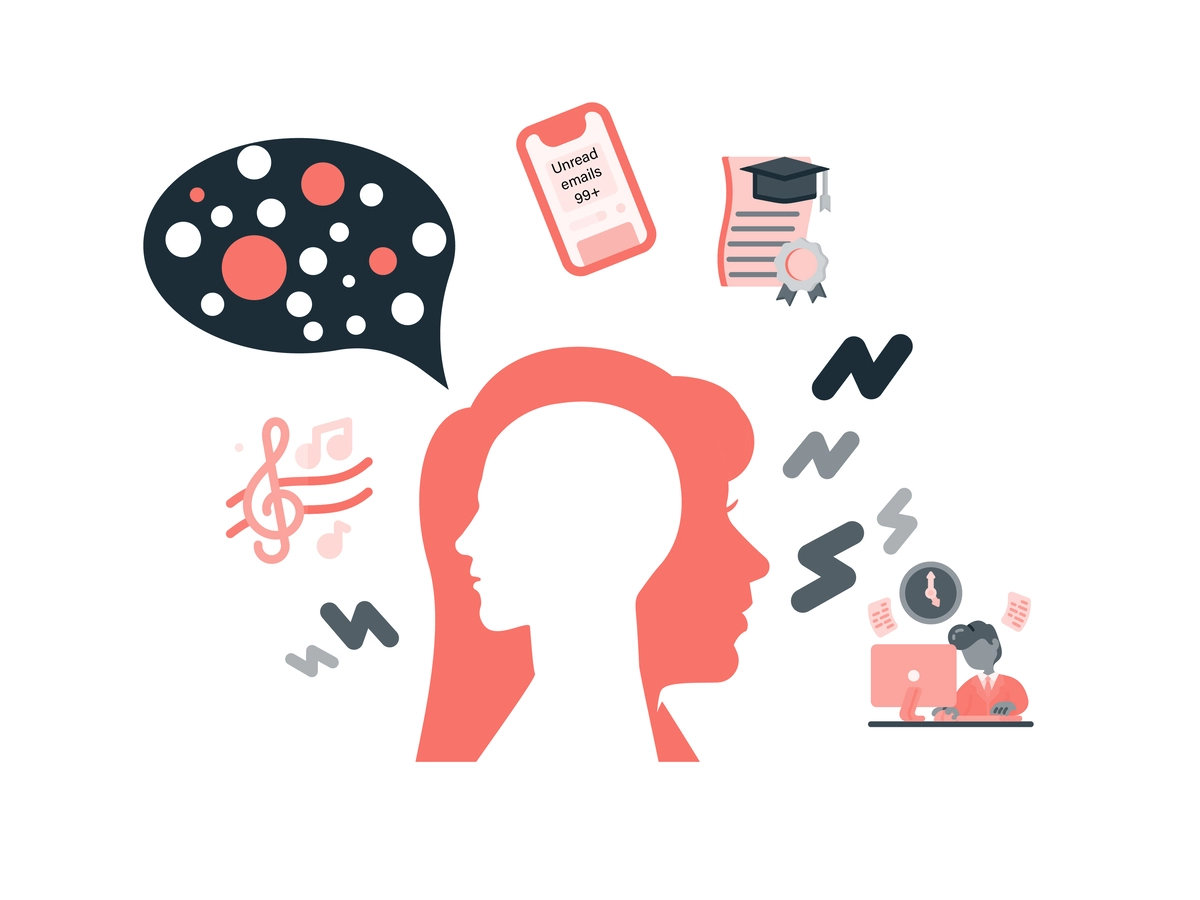
An ADHD cleaning planner works best when it lowers friction, eliminates decision fatigue, and breaks household chores into tiny actions rather than rigid schedules. Traditional paper planners assume you can follow a strict weekly chart, but an ADHD friendly system adapts to your fluctuating energy levels and focuses on keeping spaces functional.
When you look at a messy room, your brain does not just see a room. It sees fifty separate decisions waiting to be made. That pile of clothes on the chair requires you to sort light from dark, decide what is dirty versus slightly worn, find hangers, and clear drawer space. This cognitive heavy lifting can easily trigger ADHD task paralysis, causing you to freeze up and avoid the task entirely.
A practical planner for cleaning changes how you view housework. Instead of aiming for absolute perfection, it helps you manage visual noise so your home feels comfortable to live in.
Why standard chore charts fail the ADHD brain
Most traditional cleaning schedules rely on consistency and daily repetition. They ask you to vacuum every Monday, wipe counters every Tuesday, and scrub bathrooms every Wednesday. For a neurotypical brain, routine provides structure. For an ADHD brain, rigid repetition often creates boredom or guilt.
If you miss Monday vacuuming because you had a long day at work, the missed task stays on your mental list. By Wednesday, you feel behind. The planner that was supposed to help you now feels like evidence of failure. You hide the binder or close the app, and clutter begins to pile up again.
ADHD affects how the brain manages working memory, prioritizing, and effort. When routine tasks lack novelty or immediate rewards, your brain struggles to initiate them. Expecting yourself to stick to a rigid grid ignores how your brain regulates motivation. A successful approach works with your actual patterns instead of fighting them.
Focusing on functional spaces over spotless rooms
Before writing down a single task, redefine what clean means to you. Spotless implies a house ready for a magazine photoshoot. Functional simply means you can cook a meal without moving three dirty pans, find your keys in the morning, and sit on your couch without moving a pile of laundry.
When clutter builds up, ask yourself what specific area is causing the most friction in your day. Is it the kitchen sink full of dishes that prevents you from making breakfast? Is it the entryway table buried in mail?
Targeting functional bottlenecks creates immediate relief. You do not need to clean the entire house to feel calmer. Clearing one counter or freeing up one chair changes how your environment feels right away. Using visual cues and environmental design can also make it easier to maintain these key areas without constant effort.
Building your flexible cleaning planner
An effective planner for household tasks must be flexible, visual, and simple. You can use a digital app, a whiteboard on your fridge, or index cards. The tool matters less than how you organize the information inside it.
Start by listing your common household tasks, but do not assign them to specific days of the week. Instead, group them by physical zone or by the level of energy they require.
High energy tasks might include vacuuming the living room, scrubbing the shower, or changing bed sheets. Low energy tasks might include wiping down the bathroom sink, emptying a single trash can, or putting away five items from the coffee table.
When you open your planner, you match your current energy level to a matching task. If you feel tired after work, pick a low energy item. If you feel a surge of focus on a Saturday morning, tackle a high energy area. This eliminates the guilt of falling behind because there is no rigid date attached to any job.
Breaking down chores into five minute actions
The biggest barrier to starting any chore is often the perceived size of the task. Cleaning the kitchen sounds massive. It feels like an hour of boring work.
To beat this friction, embrace the art of micro-steps. Break every major chore into the smallest possible starting action. You are not cleaning the kitchen; you are placing three coffee cups into the sink. You are not doing all the laundry; you are sorting your socks.
Here is how you can reframe massive household chores into quick starting points:
- Kitchen counter clear: Clear only the space directly around the coffee maker or stove.
- Living room quick pick: Pick up exactly five objects off the floor and put them in their home.
- Bathroom check: Wipe down just the faucet and mirror using a wet cloth.
- Trash run: Empty only the smallest trash bin in your workspace or bedroom.
- Bed reset: Pull up the blanket and straighten one pillow without worrying about tight corners.
Starting with a five minute step bypasses executive dysfunction. Once you begin moving, momentum often carries you forward. If you stop after five minutes, you still cleared a small space, which is a genuine win.
Managing the maintenance phase
Once a space is clean, keeping it clean presents a secondary challenge. ADHD brains thrive on novelty, so maintaining a clean room yields lower dopamine than transforming a messy room into an organized one.
To keep upkeep low stress, pair cleaning tasks with existing habits or enjoyable sensory inputs. Put on a favorite podcast, an audiobook, or energetic music strictly while doing chores. This adds immediate interest to repetitive tasks.
You can also test flexible systems like routines for people who hate routines. Instead of setting an alarm to clean every evening, link a quick reset to a natural transition in your day. When your morning coffee brews, unload three dishes from the dishwasher. When you walk past the bathroom before bed, pick up the towel from the floor.
Keep cleaning supplies directly in the rooms where you use them. If you have to walk downstairs to get spray cleaner for the upstairs bathroom, you probably will not do it. Placing supplies within arm reach removes physical friction.
How Untangle can help
If breaking down overwhelming home projects into tiny, doable pieces feels exhausting, Untangle is designed for exactly that struggle.
The app features Tiny steps, which breaks big, intimidating tasks into small, manageable actions. Every task you add starts with a five minute first step, taking the guesswork out of where to begin. If a step still feels too big, you can easily shrink it until starting feels effortless. Instead of staring at an overwhelming note that says clean the house, Untangle gives you one simple step to focus on right now.
This guide is educational and is not medical advice. Talk to a qualified clinician about your own situation.
Frequently asked questions
What is the best cleaning routine for adults with ADHD?
The best cleaning routine for adults with ADHD is a flexible, energy-based system rather than a strict daily calendar. Group chores by energy level or physical zone instead of assigning them to fixed days. Focusing on functional spaces first helps reduce immediate overwhelm without requiring hours of work.
How do I stop feeling overwhelmed by house cleaning?
Reduce overwhelm by focusing on one micro step at a time. Pick a five minute task, such as clearing a single counter or picking up five items from the floor. Breaking large chores down prevents executive dysfunction from taking over. You can learn more about managing freeze responses in our guide on ADHD task paralysis.
Why is cleaning so difficult with ADHD?
Cleaning requires executive functions like planning, working memory, and prioritization. A cluttered room presents dozens of tiny decisions at once, which quickly leads to decision fatigue. Because routine chores lack immediate novelty or fast rewards, the brain naturally resists starting them until friction is lowered.
Keep reading

Routines for People Who Hate Routines
Learn routines for people who hate routines. Use flexible daily rhythms, habit stacking, and low energy menus to build structure without feeling trapped.
Visual Cues and Environmental Design
Learn how visual cues and environmental design help adults with ADHD organize their spaces, stop losing items, and start daily tasks with less effort.

ADHD Task Paralysis: Why You Freeze and How to Move
Stuck staring at a simple task you cannot start? Learn why ADHD task paralysis happens and practical ways to unfreeze your brain today.
Thoughts & Reflections