ADHD Morning Routine: Building a Friction-Free Start
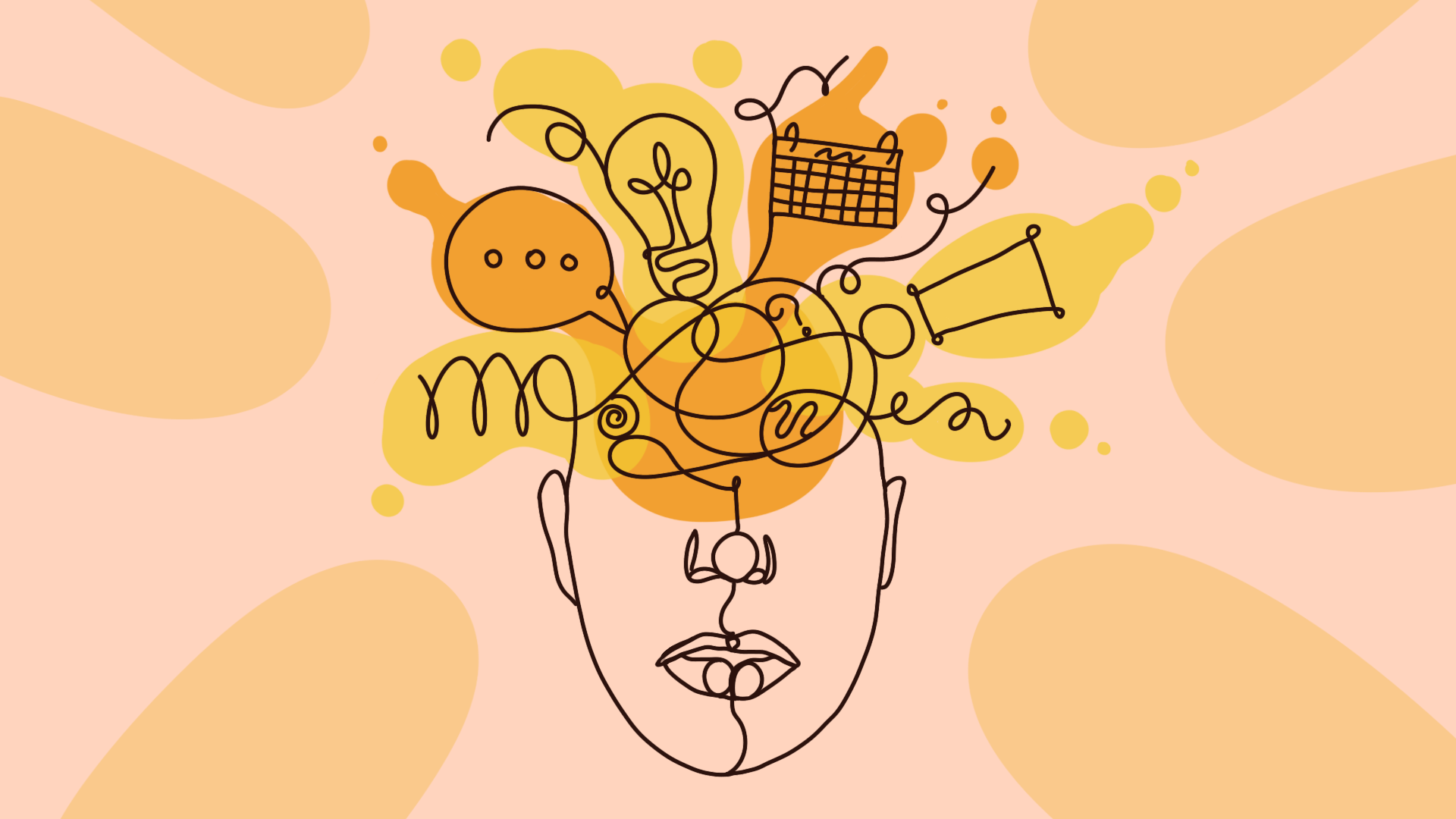
Building a realistic ADHD morning routine requires dropping rigid, multi-step plans and focusing on low-friction anchor steps that guide your transition out of sleep. Instead of trying to follow a strict morning schedule, an effective morning routine for ADHD relies on visual cues, tiny physical movements, and flexible patterns that account for executive dysfunction.
Why mornings feel so hard with ADHD
Mornings demand a lot from your brain all at once. You wake up in a foggy state and immediately face a chain of decisions. You must get out of bed, choose clothes, pick what to eat, and remember what time you need to leave. For an adult with ADHD, this sudden burst of decision-making can feel overwhelming before your feet even touch the floor.
When you experience Understanding ADHD Executive Dysfunction and How to Cope, shifting from rest mode into action requires deliberate mental effort. Sleep inertia lingers longer, and the lack of immediate stimulation makes staying under warm blankets far more attractive than starting your day. If you grab your phone to check notification alerts, your brain instantly hooks onto that fresh stream of digital input. What felt like two minutes on social media quickly turns into thirty minutes of lost time.
Time blindness also plays a big role in morning struggle. Ten minutes can feel like two minutes when you are picking out a shirt, or like an eternity when you are waiting for water to boil. Without clear environmental markers, the time you need to get ready slips away until you are suddenly rushing out the door with a missing shoe and a lukewarm drink.
Ditch the ideal routine for a friction-free one
Many traditional self-help guides suggest waking up at five in the morning, writing in a journal, exercising for an hour, and drinking a green smoothie. For an ADHD brain, a rigid structure like that often crumbles after two days. When one single step fails, the entire sequence breaks down, leaving you feeling defeated before your day even starts.
A functional morning pattern is not about perfection or stacking habits until your schedule bursts. It is about reducing friction between waking up and starting your first task of the day. If you want an approach that lasts, explore Routines for People Who Hate Routines that accept your natural energy patterns instead of fighting them.
Start by shrinking your goals. A routine can be as simple as three steps: put your feet on the floor, drink water, and put on clean clothes. You do not need a twenty-minute meditation session if all your brain can handle is taking three deep breaths while waiting for your kettle to boil. Lowering the entry barrier makes starting effortless.
Build your morning anchor points
Anchor points are fixed actions that happen in the same order without requiring heavy decision-making. Instead of treating every morning like a fresh puzzle to solve, you rely on simple triggers that move you naturally into the next step.
Here is a practical sequence you can adapt:
- Wake-up anchor: Place your alarm clock across the room on top of a water glass so you must physically stand up to turn off the sound.
- Body activation: Wash your face with cold water or stretch your arms above your head for five seconds to signal to your body that sleep is over.
- Sensory reward: Pair a boring task with something pleasant, such as listening to an engaging podcast while brushing your teeth or brewing warm coffee while feeding your pet.
- Single visibility spot: Keep your keys, wallet, bag, and jacket in one designated box right near the front door so you never spend fifteen frantic minutes searching for them.
By keeping your anchors minimal, you preserve your mental energy for the rest of the day. You do not have to wonder what comes next because your physical environment naturally guides you forward.
How to handle morning transitions
The hardest part of any morning routine is moving from one activity to another. Getting out of bed is a transition. Stepping out of the shower is a transition. Putting down your phone to put on your shoes is a transition.
Transitions feel hard because your brain resists switching focus when it is comfortable or absorbed. To make these shifts easier, use concrete prompts rather than abstract clock times. If you struggle with Tools for Time Blindness, set audio cues like a specific song playlist that lasts twenty minutes. When the final song plays, you know it is time to put on your shoes without constantly checking the clock.
You can also use physical objects to signal transitions. Leaving your towel on top of your dressed clothes reminds you what to do as soon as you step out of the shower. Keeping your shoes next to the kitchen table reminds you to put them on before sitting down with your morning mug.
Give yourself permission to move slowly through these steps. Expecting yourself to jump out of bed and sprint into high productivity is unrealistic. Building in ten extra minutes of buffer time allows your brain to transition at its own natural pace without inducing panic.
Designing your space for seamless mornings
Your physical environment heavily influences how smoothly your morning goes. If your bedroom nightstand is cluttered with books, receipts, and loose cables, your brain starts processing that visual noise the moment you open your eyes.
Using principles from Visual Cues and Environmental Design lets you prepare your space the night before. Set out your clothes on a chair where you can clearly see them. Fill your water bottle and place it next to your bed. Put your coffee mug right next to the coffee maker so it is ready to brew.
When your space tells you what to do next, you do not have to spend energy deciding. You simply follow the clear visual path you laid out for yourself when your mind was calm.
Reduce choices wherever possible. Having five breakfast options leads to decision fatigue before eight in the morning. Pick one or two default meals for weekdays, like oatmeal or toast with peanut butter. When breakfast is on autopilot, your morning moves along with far less mental strain.
How Untangle can help
When mornings feel scattered, having a clear visual timeline helps you stay on track without stress. Untangle features My Day, a daily timeline that maps out your tasks in simple blocks. If you get stuck scrolling on your phone or spend twenty minutes looking for your keys, you do not have to restart your whole day in frustration. With My Day, if you fall behind schedule, you can replan your morning in one tap with zero guilt, giving you a smooth fresh start whenever you need it.
This guide is educational and is not medical advice. Talk to a qualified clinician about your own situation.
Frequently asked questions
How long should an ADHD morning routine be?
An ADHD morning routine should be short and focused on low-friction steps, often taking between fifteen and thirty minutes. Keeping the routine short reduces decision fatigue and prevents you from feeling overwhelmed before your day begins. Focus on three or four core habits like drinking water, getting dressed, and eating a quick breakfast before adding extra tasks.
Why do I struggle to get out of bed with ADHD?
Waking up requires a major mental shift from a resting state to an active state. For adults with ADHD, executive dysfunction makes initiating this shift difficult, especially when sleep inertia makes staying in bed feel comfortable. Visual cues, placing your alarm across the room, and having a pleasant incentive like coffee can help make standing up easier.
Should I change my morning routine often?
Yes, updating your routine when it stops working is completely fine. An ADHD brain often thrives on novelty, so a sequence that felt helpful last month might feel boring today. Instead of forcing yourself to stick with a stale routine, adjust small details like changing your wake-up playlist or swapping your breakfast options to keep things engaging.
How can I avoid looking at my phone right after waking up?
Put your phone across the room or inside a drawer so it is out of arm reach when you wake up. You can also replace phone checking with a simple physical trigger, such as stepping straight into the bathroom or opening your curtains. Keeping your phone out of sight prevents immediate digital overload before your mind is ready.
Keep reading

Routines for People Who Hate Routines
Learn routines for people who hate routines. Use flexible daily rhythms, habit stacking, and low energy menus to build structure without feeling trapped.
Visual Cues and Environmental Design
Learn how visual cues and environmental design help adults with ADHD organize their spaces, stop losing items, and start daily tasks with less effort.

Understanding ADHD Executive Dysfunction and How to Cope
Learn what ADHD executive dysfunction is, why willpower will not fix it, and simple strategies to reduce task friction and regain momentum daily.
Thoughts & Reflections