Exercise and the ADHD Brain: How Movement Supports Focus
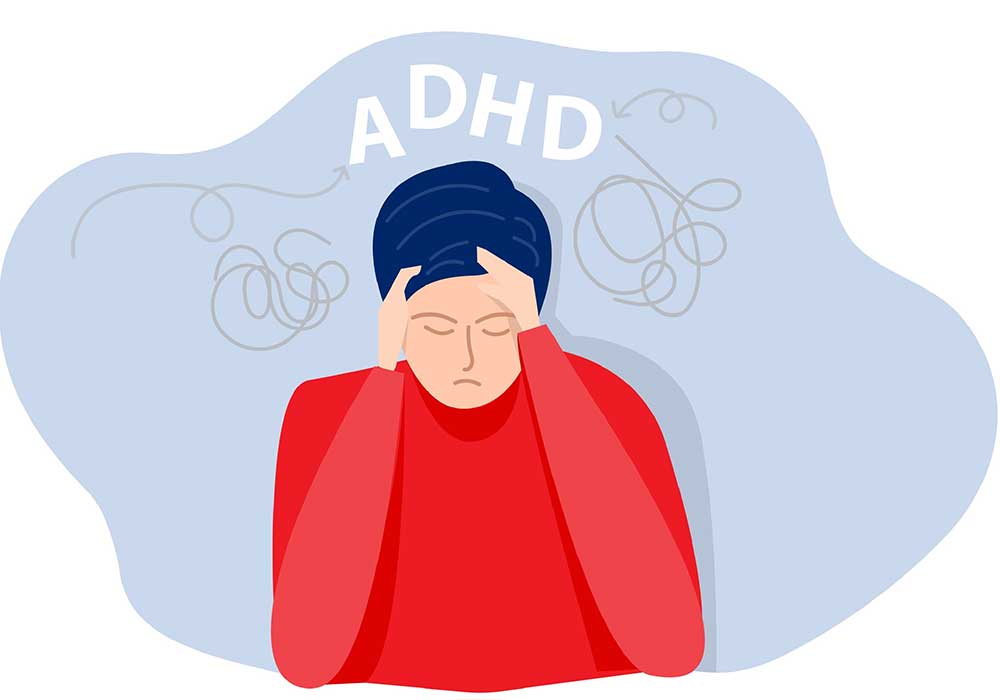
Physical movement increases the availability of key neurotransmitters in your brain, helping improve attention, working memory, and emotional regulation. Regular, accessible exercise acts as a simple support system for an ADHD brain that often struggles with alertness and initiation.
If you live with ADHD, sitting still at a desk while trying to focus on a complex task can feel like running an engine on empty. Your brain craves engagement, novelty, and movement. When you move your body, you supply your brain with an immediate lift in chemical signals that support alertness and executive function. Understanding how movement helps is the first step toward building a realistic daily habit.
How physical movement affects the ADHD brain
ADHD affects how your brain regulates attention, motivation, and effort. The neural circuits responsible for planning and staying on task rely heavily on continuous chemical signals. When those signals drop, sitting down to write a report or clean a messy room feels nearly impossible.
Movement acts like a light switch for those attention circuits. When you engage your body through walking, dancing, cycling, or lifting weights, your brain releases neurochemicals that support clarity and mood. This physical reaction helps settle physical restlessness while simultaneously waking up your mind. You can explore more about these internal mechanisms in our guide on inside the ADHD brain.
Unlike structured sedentary tasks, exercise gives your brain immediate sensory feedback. This feedback reduces the constant background chatter and fidgeting that often accompany low stimulation. A short burst of movement before starting a difficult project can clear away mental fog, making it easier to select a single priority and stick with it. It acts as part of a gentle approach to natural dopamine maintenance without relying on extreme intensity.
When sitting still for long periods, an ADHD brain often spends significant cognitive energy simply trying to remain quiet in a chair. That continuous effort leaves less bandwidth for actual problem solving, writing, or reading. By allowing your body to move, you release that built-up physical tension. The brain can then redirect its processing power back to the task in front of you.
Why rigid exercise routines fail and how to rebuild them
Many adults with ADHD start an ambitious exercise plan with intense enthusiasm. You might buy specialized gym gear, commit to a strict five-day training schedule, and follow it perfectly for a week. Then, missing a single day creates a wave of guilt, and the entire habit drops out of sight.
This all-or-nothing trap happens because rigid schedules clash with fluctuating motivation. If an exercise routine requires an hour of preparation, driving across town, and changing clothes, the initiation tax becomes too high for a tired brain. When energy is low, your brain views those extra logistical steps as massive obstacles.
Perfectionism is another quiet hurdle for adults with ADHD. You might believe that unless a workout lasts forty-five minutes and makes you sweat, it does not count as real exercise. This mindset creates an unnecessary barrier. Recognizing that light physical activity still yields mental benefits helps you abandon the belief that you must work out intensely for it to matter.
To make movement sustainable, you must lower the barrier to entry. Exercise does not need to happen inside a gym, nor does it require sweaty workouts that leave you exhausted. Shorter, frequent periods of unstructured movement are often far more effective for ADHD than rare, heavy sessions. Think of movement as a tool you can use in small doses whenever your focus starts to slip.
Building consistency starts with flexibility. If you want to learn more about creating habits that respect your brain's natural rhythm, check out our guide on routines for people who hate routines.
Simple ways to add movement throughout your workday
You do not need an hour of intense cardio to feel the mental benefits of moving your body. Small changes integrated into your existing environment can keep your mind active throughout the day.
- Walking while listening to audio: Take calls or listen to audiobooks while pacing around your living room or walking around your neighborhood block. The steady rhythm of walking helps anchor your attention.
- Quick functional micro-movements: Do a few squats, stretch your arms, or jump in place between computer tasks. These tiny bursts reset your physical posture and bring blood flow back to your head.
- Active desk setups: Use an under-desk walking pad, a standing desk, or a balance cushion while typing. Gentle physical adjustment gives your body a channel for excess energy while your brain stays focused on work.
- Playful home activities: Turn chores into movement opportunities. Put on fast music and clean the kitchen quickly, or play a quick game with a pet or family member.
Using movement as a transition signal is particularly helpful. When you finish one task and feel resistance toward starting the next one, stand up and move for a minute or two. This brief reset creates a clean boundary between tasks and brings fresh focus to your next goal. For more practical strategies on maintaining clarity during work, read our piece on practical ADHD focus tips.
Overcoming friction when your motivation is low
Even when you know movement helps your focus, starting can feel overwhelming. Task paralysis can leave you staring at your running shoes on the floor while your mind insists that changing clothes takes too much effort.
When this friction occurs, reframe your goal to the absolute smallest action possible. Tell yourself you are only going to stand up and stretch for ten seconds, or walk to the end of the hallway and back. Once your body is in motion, continuing often becomes much easier. If you stop without doing more, you still succeeded in moving your body for that moment.
Pairing movement with a pleasant sensory experience can also lessen the mental wall. You might put on a favorite song, step outside to feel the sun on your face, or sip a cold glass of water while stretching. When you link physical activity with immediate comfort rather than discomfort, your brain stops treating movement like a punishing requirement.
It helps to lower your expectations around what counts as activity. Stretching on the living room rug while watching television, walking up and down a staircase once, or shaking out your hands and shoulders all count. Removing the pressure to perform turns exercise from a heavy chore into an inviting break.
Remember that movement is a tool to support your well-being, not another item on a harsh to-do list. When you treat physical activity as a kind way to support your brain, you strip away the judgment that often leads to inaction.
How Untangle can help
When your energy feels scattered, planning your day around physical breaks can feel like an extra burden. Untangle helps you structure your work and breaks without overwhelming your attention.
The Focus timer feature inside Untangle keeps you grounded during work sessions by showing only your current step. When you take a break to move around, Aaron stays right beside you on screen. If you feel stuck when returning to your desk, tapping the I am stuck button shrinks your task into an even smaller, manageable action so you can build momentum right away.
This guide is educational and is not medical advice. Talk to a qualified clinician about your own situation.
Frequently asked questions
Does light exercise really help ADHD focus?
Yes, gentle physical activity like walking or stretching increases alertness by stimulating neurotransmitters involved in attention. You do not need exhaustive workouts to experience benefits. Simple movement breaks settle physical restlessness, clear mental fog, and make it easier to resume difficult tasks without feeling overwhelmed.
What is the best type of exercise for ADHD?
The best exercise is whichever activity you enjoy enough to repeat without high resistance. Unstructured movements like dancing around your kitchen, taking neighborhood walks, or riding a bike often work better than rigid gym schedules. Choose activities that feel engaging rather than burdensome.
How can I exercise when I have no motivation?
Reduce your immediate expectation to the smallest step possible. Tell yourself to stretch for ten seconds or walk across the room. Starting is usually the hardest part. Lowering the initial effort breaks through task paralysis and allows momentum to take over gently.
Keep reading
Natural Dopamine Maintenance
Learn natural dopamine maintenance strategies for ADHD. Build a simple menu of healthy dopamine sources to sustain focus without burnout.

Practical ADHD Focus Tips That Work With Your Brain
Discover practical ADHD focus tips designed to lower task friction, quiet digital distractions, and build daily momentum without feeling overwhelmed.

Routines for People Who Hate Routines
Learn routines for people who hate routines. Use flexible daily rhythms, habit stacking, and low energy menus to build structure without feeling trapped.
Thoughts & Reflections