Natural Dopamine Maintenance
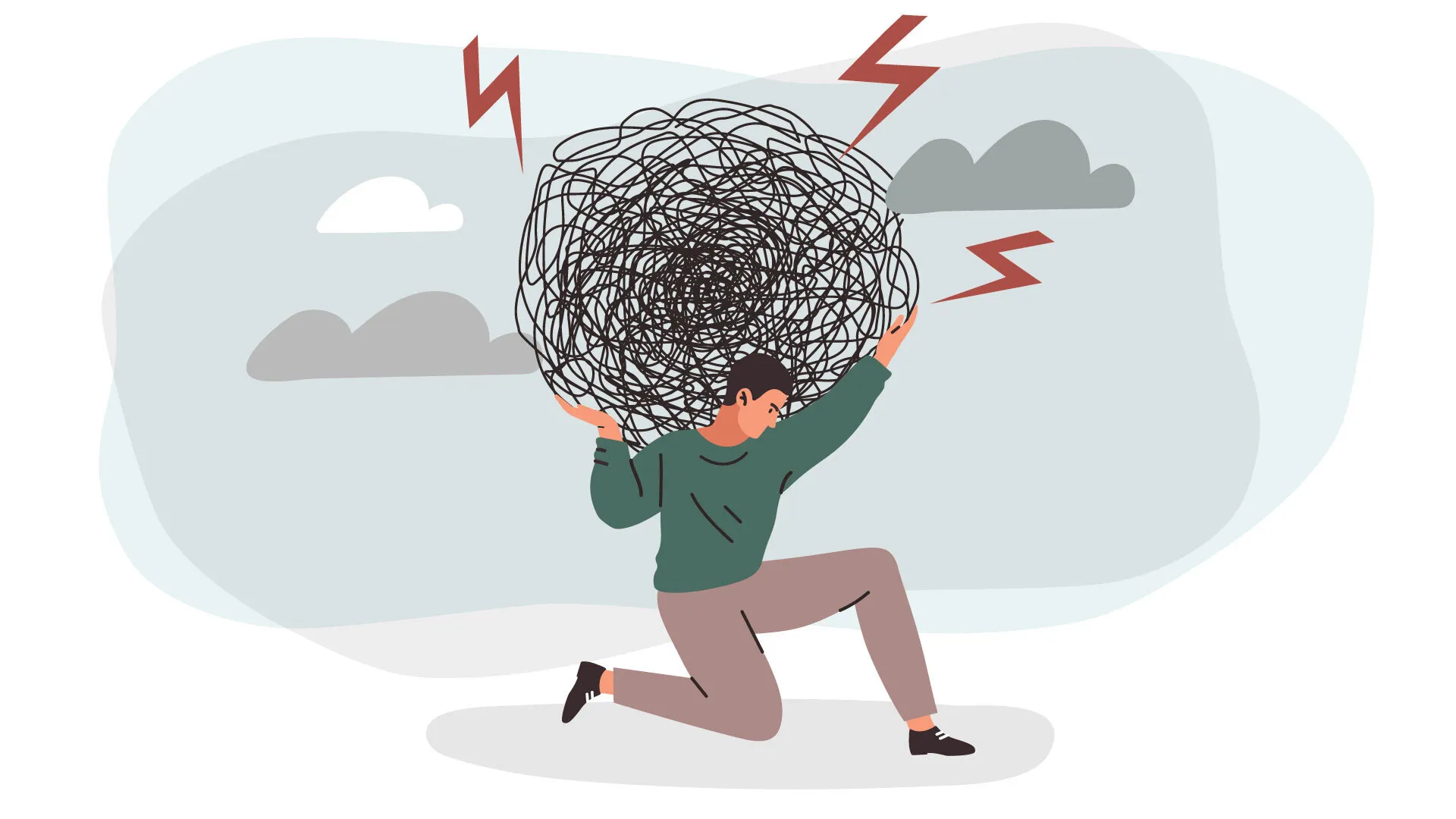
Natural dopamine maintenance means intentionally setting up daily activities that give your brain regular, nourishing stimulation so you do not rely entirely on high-intensity stress or low-effort distractions. With ADHD, your brain naturally seeks engagement, and without predictable outlets, it often reaches for fast fixes like endless scrolling, impulsive shopping, or sudden snack cravings.
When you learn to view your mental energy as a gauge that needs steady replenishment, you can build routines that support steady focus throughout the day. You do not need to overhaul your life overnight. Instead, you can create a simple menu of accessible activities that supply healthy stimulation when you need it most.
Understanding your brain's fuel system
Your brain relies on neurochemicals like dopamine to help you start tasks, stay focused, and feel satisfied after finishing work. In an ADHD brain, the availability and regulation of this chemical can be inconsistent. When your levels feel low, simple tasks like opening an email or folding laundry suddenly feel physically heavy.
To cope with low stimulation, your mind naturally hunts for quick rewards. That is why you might find yourself checking your phone ten times in five minutes or browsing online stores when you should be writing a report. Your brain is not trying to be lazy or difficult. It is simply searching for quick stimulation to reach a comfortable baseline.
Understanding this biological drive changes how you respond to fatigue and boredom. Rather than scolding yourself for getting distracted, you can treat distraction as a clear signal that your brain needs a reset. By offering your mind healthier options before it reaches for empty substitutes, you can maintain smoother focus without constant friction. If you want to explore more about how these brain patterns work, you can read about inside the ADHD brain to better understand your daily energy shifts.
Building your dopamine menu
A dopamine menu is a curated list of activities grouped by how much time and effort they take. Just like a restaurant menu, it gives you clear choices so you do not have to think hard when your brain feels exhausted. When you are understimulated, decision fatigue makes it difficult to figure out what will make you feel better. Having a written list removes the guesswork.
You can organize your menu into distinct categories based on your immediate needs:
- Appetizers: Fast activities that take under five minutes, such as petting your cat, stepping outside for fresh air, or listening to one favorite song.
- Main courses: Deeper activities that require twenty minutes or more, like working on a creative hobby, going for a brisk walk, or having a good conversation with a friend.
- Sides: Small additions that make tedious tasks more engaging, such as pairing paperwork with a favorite podcast, lighting a scented candle, or working in a bright room.
- Desserts: Highly stimulating activities like video games or social media that feel fun but leave you depleted if you overindulge.
Keep this menu somewhere visible, such as a sticky note on your monitor, a card on your refrigerator, or a note pinned to your phone home screen. When you feel a slump coming on, choose one item instead of defaulting to endless scrolling. This simple structure helps you close the managing the boredom gap that often triggers task avoidance.
Designing fast appetizers for quick momentum
Appetizers are designed for immediate relief. When you are stuck in front of a blank document or struggling to get off the couch, a main course like an hour of exercise feels too massive. An appetizer acts as a quick spark that helps your brain shift gears without demanding high effort.
Physical movement and sensory changes work particularly well for quick appetizers. Splashing cold water on your face changes your heart rate and sharpens your physical awareness within seconds. Stepping into direct sunlight, drinking a cold glass of ice water, or doing ten quick stretches gives your body an immediate burst of sensory input.
Sensory shifts can also come from sound or touch. Putting on noise-canceling headphones with an upbeat track creates a sudden change in environment. Stretching your arms above your head or holding a warm mug of tea brings your attention back into the physical present.
The key to an appetizer is its brevity. It is not meant to be a full project. It is simply a bridge to help you move from a state of total paralysis into gentle action. Once your brain receives that small bit of stimulation, starting your next actual task becomes much easier.
Planning deep main courses for lasting energy
While appetizers offer quick sparks, main courses provide deep, lasting restoration. These are activities that engage your mind and body fully, leaving you feeling calm, satisfied, and grounded for hours afterward.
Physical exercise is one of the most powerful main courses available. A thirty-minute walk, a bike ride, or a session at the gym releases steady neurochemicals that sharpen attention and smooth out restlessness. You can read more about how physical movement supports your focus in our guide on exercise and the ADHD brain.
Creative projects and hands-on hobbies also function as effective main courses. Drawing, woodworking, gardening, cooking a new recipe, or playing an instrument require moderate problem-solving and tactile engagement. Unlike scrolling on a screen, which leaves your brain restless, hands-on creation builds a sense of tangible progress.
Social connection is another essential main course. Having a warm, open conversation with someone who understands you provides rich emotional grounding. To make sure you actually engage in these main courses, schedule them into your week as fixed appointments rather than waiting for free time to magically appear.
Managing the daily dopamine gap
Even with a well-designed menu, there will be times when your energy drops sharply in the middle of a workday. This daily energy trough often happens in the late afternoon when morning momentum fades and evening relaxation is still hours away. Recognizing this pattern helps you plan around it rather than fighting against your biology.
When you notice your focus collapsing, pause and assess your current environment. Are you physically uncomfortable? Have you been sitting in the same chair for three hours? Have you had water recently? Simple physical maintenance often resolves half of the friction you are experiencing.
If physical needs are met, check your environmental cues. Adjusting your lighting, opening a window, or changing your workspace can reset your sensory baseline. You can learn more about arranging your physical space in our piece on visual cues and environmental design.
Remember that seeking stimulation is a normal human response. The goal is to choose activities that leave you feeling refreshed rather than drained. When you proactively schedule healthy stimulation throughout your day, you prevent the severe crashes that lead to hours of lost time.
How Untangle can help
When your mind is scattered and your energy is low, figuring out your next step can feel overwhelming. Untangle features a simple home screen that always displays your single next task so you never have to guess what to work on next. By keeping your immediate focus clear and manageable, Untangle reduces decision fatigue and helps you maintain steady momentum throughout your workday.
This guide is educational and is not medical advice. Talk to a qualified clinician about your own situation.
Frequently asked questions
What is natural dopamine maintenance for ADHD?
Natural dopamine maintenance is the practice of intentionally scheduling restorative, healthy sources of stimulation throughout your day. By satisfying your brain's natural need for dopamine with planned activities like short walks, music, or creative breaks, you reduce the urge to default to unhelpful habits like endless phone scrolling or impulsive spending.
How do I create a dopamine menu?
You can build a dopamine menu by listing activities grouped by time and effort. Include quick appetizers for five-minute energy boosts, main courses for deep restoration, and sides to make tedious tasks more engaging. Keep your menu written down in a visible spot so you can easily choose a healthy option when you feel low on focus.
What are fast examples of healthy dopamine appetizers?
Quick dopamine appetizers take under five minutes and require low effort. Effective options include petting a dog, splashing cold water on your face, stepping into sunshine, listening to a high-energy song, stretching, or drinking a glass of cold water. These quick sensory shifts help restart your focus without creating long distractions.
Why does the ADHD brain constantly search for dopamine?
ADHD affects how the brain regulates attention, motivation, and neurochemicals like dopamine. When dopamine levels feel low, ordinary tasks can feel unusually difficult to initiate. Your brain naturally seeks quick stimulation to feel alert, which is why having predictable, healthy outlets helps prevent sudden focus crashes.
Keep reading
Exercise and the ADHD Brain: How Movement Supports Focus
Learn how exercise and ADHD connect to clear brain fog, boost daily focus, and settle restlessness with simple movement strategies.
Visual Cues and Environmental Design
Learn how visual cues and environmental design help adults with ADHD organize their spaces, stop losing items, and start daily tasks with less effort.
ADHD Workplace Accommodations: Practical Setup Guide
Discover practical ADHD workplace accommodations that help you focus, organize tasks, and manage overwhelm without unnecessary stress at work.
Thoughts & Reflections