Prioritizing When Everything is Urgent
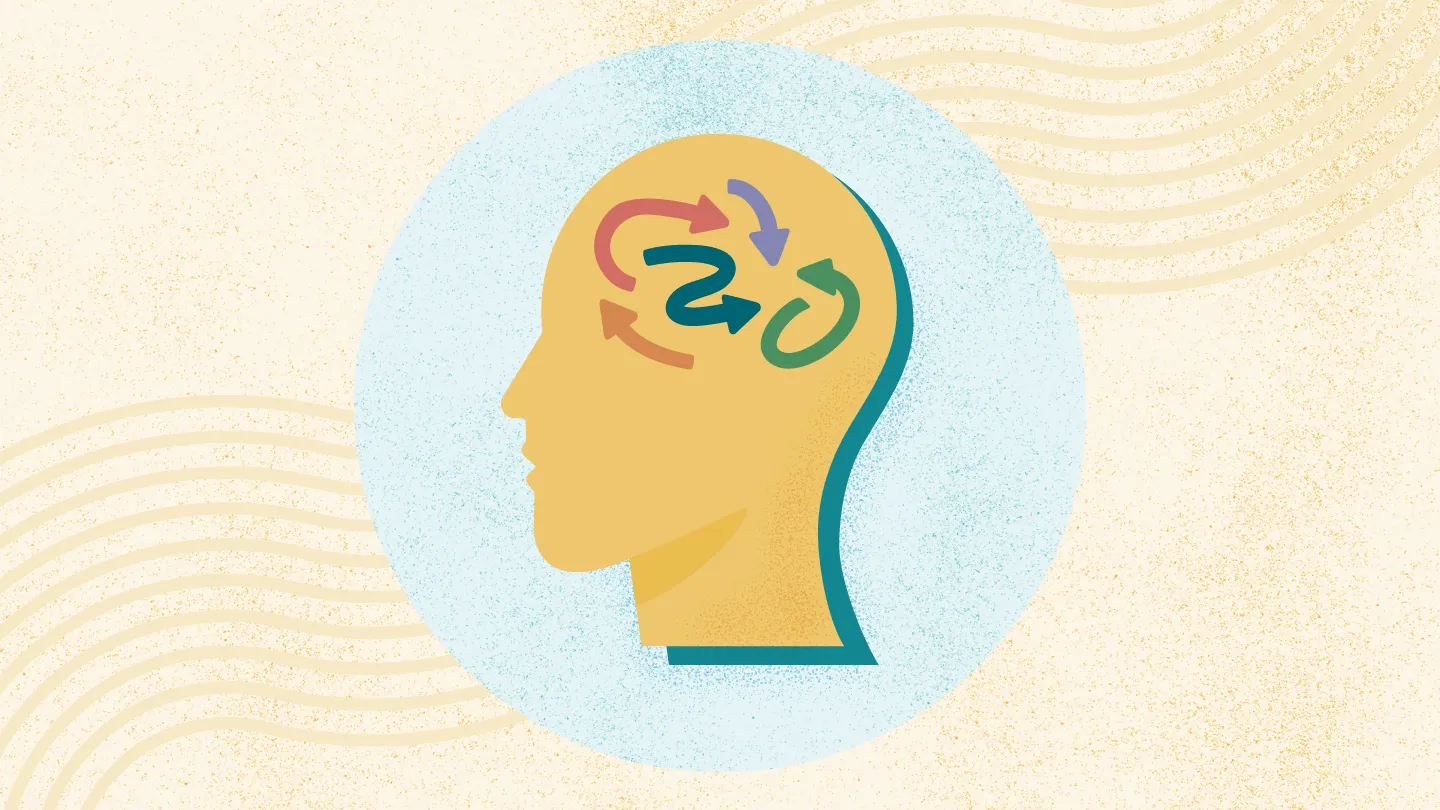
Prioritizing when everything is urgent requires taking tasks out of your head, putting them on paper, and reducing your active choices to one or two items. When your brain treats every email, message, and task with high priority, sorting them mentally leads to immediate overload.
When every incoming demand carries the exact same level of noise, your executive function gets overwhelmed. You end up bouncing between small quick fixes or retreating into side projects like cleaning your workspace while a major deadline looms. This response is not a lack of discipline. It is a natural reaction to an overloaded cognitive system that struggles to rank items by time or true importance.
Why every task feels equally urgent to your brain
ADHD affects how the brain registers importance and regulates attention. Instead of automatically sorting demands into a neat queue based on deadlines, an ADHD brain often treats every incoming request as immediate. A dirty plate on your desk, an unread notification, and a complex work report all call for your attention with equal force.
Because working memory holds fewer details at once during moments of stress, keeping five competing tasks in your mind creates intense friction. You can read more about how this system functions in our guide to working around working memory. When you cannot hold tasks side by side to evaluate them, your brain picks whatever action offers immediate relief or simple clarity. This is why reorganizing your digital folders while a project deadline approaches feels so satisfying. It offers a sense of accomplishment, even if it leaves the main work untouched.
The main filter: separating today from your parking lot
Standard productivity advice tells you to grade tasks on complex scales or sort them into detailed matrices. For an ADHD brain, sorting a long list into four different quadrants requires the exact executive function that is currently depleted. A simpler structure works much better: split your work into a tiny list for today and a parking lot list for everything else.
Your list for today should contain at most three items. One primary task and two minor administrative duties are often plenty. Everything else goes into a separate document or notebook called the parking lot.
The key step is physical isolation. Close the parking lot file, flip the page over, or slide the paper under your keyboard so you cannot see it. If non-essential tasks stay visible, your attention will continually drift toward them, restarting the cycle of panic.
Finding your single keystone task
When you look at a wall of demanding tasks, picking just three items can still feel overwhelming. To cut through the mental noise, ask yourself one specific question: if you could only complete one task today to feel relieved and make tomorrow easier, which one would it be?
This question strips away external expectations and forces you to look for true leverage. A keystone task is usually the job causing you the most background anxiety, or the item that unblocks several other steps once it is finished.
It might not be the quickest or easiest job on your list, but finishing it removes a heavy burden from your mind. If you find yourself freezing up before starting that main item, you may be experiencing ADHD task paralysis, which requires shrinking your entry point down to a tiny initial step.
Practical strategies to quiet the noise
Here are four practical strategies to lower the volume on non-essential tasks so you can focus on what matters right now:
- Externalize everything first: Write every thought, chore, and reminder onto a blank page without organizing them. Getting thoughts out of your head stops your working memory from repeating them endlessly. Learn more about this technique in our guide on how to use an ADHD brain dump.
- Use single-task visibility: Cover up all lines on your written page except the single item you are working on right now. If you work on a computer, full-screen your active window and hide your taskbar.
- Drop to a five-minute starter: If your chosen priority feels too large, write down the very first physical action you need to take. Opening a document or finding a single phone number counts as a full first step.
- Define a clear stop point: Decide exactly what done looks like for your main task. Without a clear finish line, your brain will keep adding extra sub-tasks, making the project feel endless and urgent all over again.
Lowering panic when demands pile up
Urgency is not just an organizational problem. It is also a physical state of stress. When multiple people expect answers and several deadlines converge, your body responds with alarm. Trying to force strategic prioritization while in a state of high physical tension rarely works.
Before trying to order your list, take two minutes to regulate your physical state. Drink a glass of water, stretch your back, or step away from your screens for a short break. Lowering your baseline stress makes it significantly easier to evaluate your workload with clarity. If you feel entirely frozen by pressure, working through an emergency overwhelm protocol can give your nervous system the space it needs to reset.
How Untangle can help
If sorting through a chaotic mental list feels overwhelming on your own, Untangle offers a structured place to clear your thoughts.
The Brain dump feature allows you to type or speak everything running through your head, no matter how disorganized it feels. Once you have put your thoughts into the app, Aaron, your built-in coach, converts that unstructured list into an ordered, step-by-step plan. Instead of staring at twenty competing demands, you get a clean view of your next action without doing the heavy organizational work yourself.
This guide is educational and is not medical advice. Talk to a qualified clinician about your own situation.
Frequently asked questions
Why does everything feel urgent when you have ADHD?
ADHD affects executive function and working memory, making it difficult for the brain to automatically rank tasks by importance or time. Without a natural filter, every incoming request, thought, or reminder registers with the exact same high level of urgency.
How do I choose what to do first when all deadlines overlap?
Pick the single task that causes you the most background anxiety or unblocks other work. Put all other tasks on a hidden parking lot list so they stay out of sight, and break your chosen priority down to a five-minute initial step.
What is a parking lot list for ADHD?
A parking lot list is a separate document or page where you store every pending task except your top one to three active priorities for today. Hiding this list prevents working memory overload and stops competing tasks from distracting you.
What should I do if I am too overwhelmed to prioritize?
Pause and regulate your physical state before trying to organize your work. Take a short walk, drink water, or do a complete brain dump on paper without trying to organize it yet. Lowering your stress level makes prioritization much easier.
Keep reading
How to Use an ADHD Brain Dump to Clear Your Mind
Learn how an ADHD brain dump works, why your working memory gets overloaded, and practical steps to turn mental clutter into an organized daily plan.

Emergency Overwhelm Protocol
Follow a step-by-step ADHD overwhelm protocol to clear your mental working memory, drop body tension, and regain calm when your brain freezes completely.
ADHD Task Paralysis: Why You Freeze and How to Move
Stuck staring at a simple task you cannot start? Learn why ADHD task paralysis happens and practical ways to unfreeze your brain today.
Thoughts & Reflections