Your Thriving Toolkit
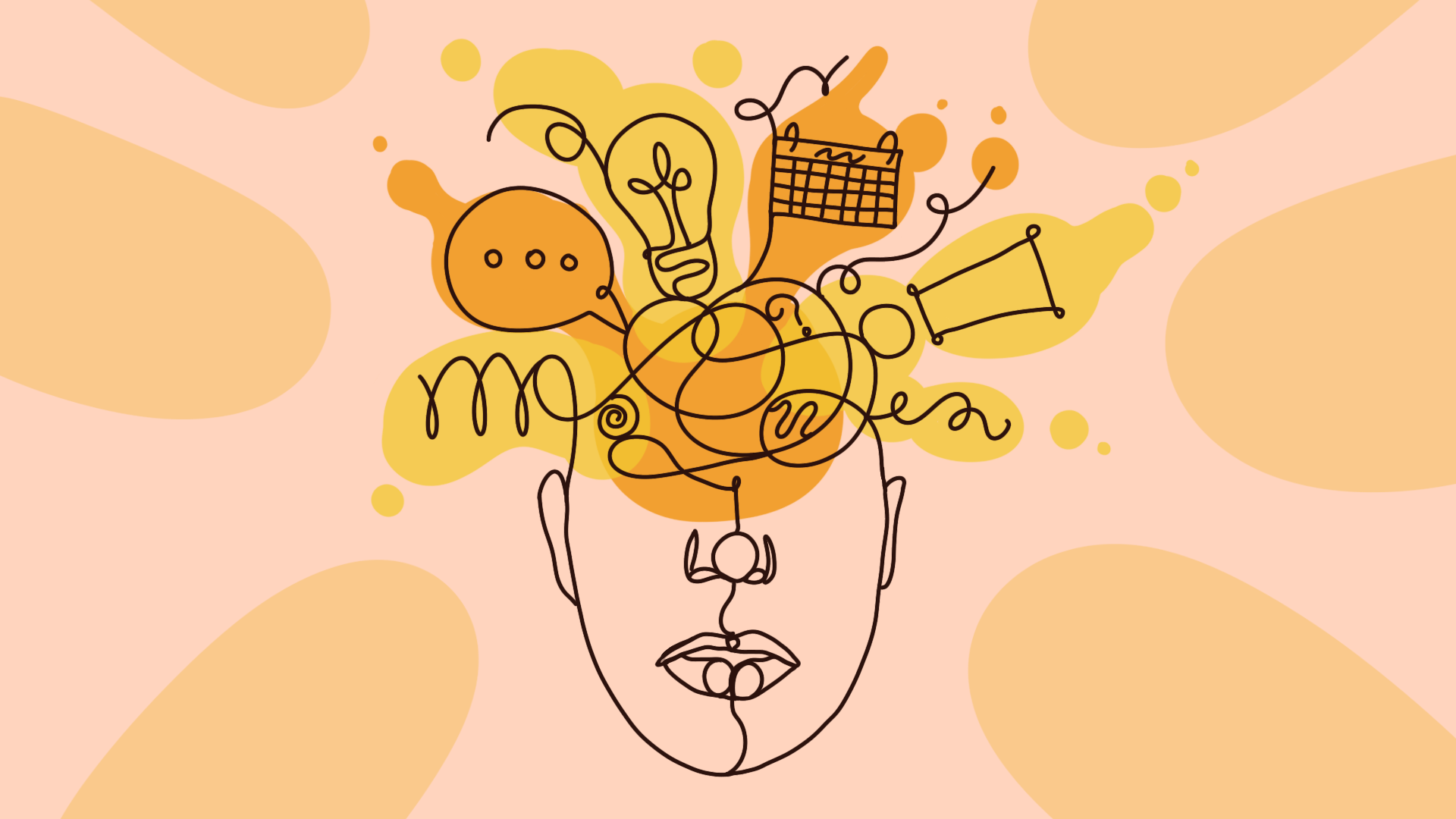
An ADHD toolkit is a flexible collection of habits, practical tools, external structures, and mindsets designed to support your executive function every day. Rather than trying to change how your brain functions at a fundamental level, a well-built toolkit shapes your environment and routines to work alongside your natural energy.
When you first start learning about ADHD, managing daily tasks can feel like putting out constant fires. You might jump from one organizing system to another, hoping to find a single perfect routine that solves every challenge. Over time, most adults discover that no single app, paper planner, or timer handles everything forever. Instead, thriving comes from building a personal collection of strategies that you can adjust whenever your needs or energy levels shift.
What an ADHD toolkit really is
An effective support system is not a rigid set of rules. It is a toolbox full of different options that help you manage attention, working memory, and motivation. Understanding what ADHD really is helps explain why standard advice often falls short. ADHD affects how the brain regulates attention and effort, which means relying on raw willpower usually leads to exhaustion.
Your toolkit acts as external support for your brain. When working memory struggles to hold multiple tasks at once, external tools store that information for you so you do not have to keep repeating it in your head. When task initiation feels physically difficult, specific strategies lower the activation energy required to take that first small step. The main goal of these tools is to simplify your day and protect your mental energy for activities that bring you actual fulfillment.
Thriving does not mean you never forget an appointment or leave laundry in the washer. It means having practical systems in place so that when things fall off track, you can reset quickly without falling into shame or self-criticism.
Core strategies to build into your daily rotation
A strong collection of ADHD strategies balances structure with flexibility. Different days bring different energy levels, so having several options allows you to pick the tool that fits your current mental state.
- External memory aids: Writing down thoughts immediately using a simple notebook or notes app prevents your working memory from dropping important details.
- Micro-stepping complex tasks: Breaking large, vague assignments into tiny action steps lowers the mental friction required to start working.
- Body doubling and quiet company: Working alongside someone else, whether in person or in a digital space, provides a gentle social anchor that keeps your attention grounded.
- Visual environmental cues: Keeping essential items, timers, and physical checklists in your direct line of sight helps overcome time blindness and object impermanence.
- Flexible routines: Creating low-demand habits that adapt to low-energy days keeps you consistent without causing burnout.
Having these tools available means you never have to start from scratch when your focus slips. You simply look at your toolkit and choose the lightweight strategy that suits the moment.
Adapting your support system when life changes
One common pattern for adults with ADHD is the novelty cycle. A brand-new planner, notebook, or digital system often feels effective for two or three weeks, only to lose its appeal as the initial novelty wears off. It is very easy to view this fading interest as a personal failure, assuming that you simply lacked discipline or long-term consistency.
In reality, the ADHD brain responds strongly to novelty and interest. When a tool stops working, it usually just means your brain has gotten used to it. Expecting to use the exact same setup forever is unrealistic. A resilient toolkit is dynamic. You might rely heavily on visual sticky notes during a busy work month, then shift to audio reminders or structured focus blocks when your routine changes.
When you feel stuck facing a task, you might be hitting what professionals call a mental barrier. Learning strategies for overcoming the wall of awful can help you recognize when emotional resistance is blocking your progress. Instead of forcing yourself through the wall with frustration, you can swap to a softer approach, like setting a short timer or shrinking the step size.
Reviewing your tools every few weeks allows you to keep what is working and retire what feels stale. System rotation is not a sign of inconsistency; it is a smart adjustment to how your attention works.
Building self-compassion into your daily structure
No tool will produce identical, peak output every single day, because human energy naturally ebbs and flows. Adults with ADHD often experience sharp contrasts between high-focus days and low-energy days. Trying to force identical productivity on a low-energy day usually leads to deep frustration and exhaustion.
A crucial part of any personal support system is self-compassion. On high-energy days, you can ride the wave of focus to tackle larger projects or organize your workspace. On low-energy days, your toolkit should help you scale back to the absolute essentials without feeling like you failed.
It is easy to fall into comparing your daily output to people who do not have executive function struggles. Practicing techniques for ending the comparison trap helps you measure progress against your own baseline rather than an imaginary ideal. Kindness toward yourself lowers stress, which in turn frees up executive function capacity.
Humor also plays an important role. Being able to laugh when you find your phone in the refrigerator or realize you searched for your glasses while wearing them softens the burden of daily slip-ups.
How Untangle can help
The Untangle app provides a clean, low-friction framework designed to keep your day manageable. Its Home screen always displays your immediate next step, removing the confusion of staring at a long, overwhelming list when you open your phone. By presenting just one clear task at a time, it helps you move forward without cognitive overload.
Defining what thriving looks like for you
Thriving with ADHD is a personal definition that changes over time. It is not about reaching a state where executive function challenges vanish entirely. Instead, it is about building a life where your days feel manageable, your strengths are recognized, and your challenges are supported by design.
Take a moment to consider a reflective question: What does thriving with ADHD look like to you one year from today?
For one person, thriving might mean having a predictable morning routine that leaves room for quiet coffee. For another, it might mean managing a demanding job while maintaining boundaries that prevent evening exhaustion. It could mean keeping your living space functional enough that you can find your keys without a frantic search.
Whatever your vision looks like, remember that building your toolkit is an ongoing process of trying small adjustments, discarding what does not help, and keeping what works. You are building systems that fit your actual life, allowing you to move forward with confidence and self-respect.
This guide is educational and is not medical advice. Talk to a qualified clinician about your own situation.
Frequently asked questions
What belongs in an ADHD toolkit?
An ADHD toolkit includes practical strategies, external structures, and habits that support executive function. This can range from visual timers, daily brain dumps, and micro-stepping techniques to body doubling and flexible routines.
Why do ADHD organization tools stop working after a few weeks?
The ADHD brain relies heavily on novelty for motivation. When a tool becomes familiar, it loses its initial dopamine boost. Rotating tools or adjusting your setup every few weeks is a normal strategy, not a personal failure.
How can I thrive with ADHD on low-energy days?
Thriving on low-energy days means scaling back your tasks to bare essentials instead of forcing standard productivity. Using lightweight tools, breaking tasks into tiny steps, and practicing self-compassion keep momentum without leading to burnout.
Keep reading
Ending the Comparison Trap
Learn how the adhd comparison trap distorts your progress, why comparing your chaos to others' highlight reels hurts, and how to build your own baseline.
What ADHD Really Is
Learn what ADHD really is beyond common myths. Discover how an interest-based nervous system impacts executive function, focus, and daily task initiation.
ADHD Workplace Accommodations: Practical Setup Guide
Discover practical ADHD workplace accommodations that help you focus, organize tasks, and manage overwhelm without unnecessary stress at work.
Thoughts & Reflections