ADHD and its Companions
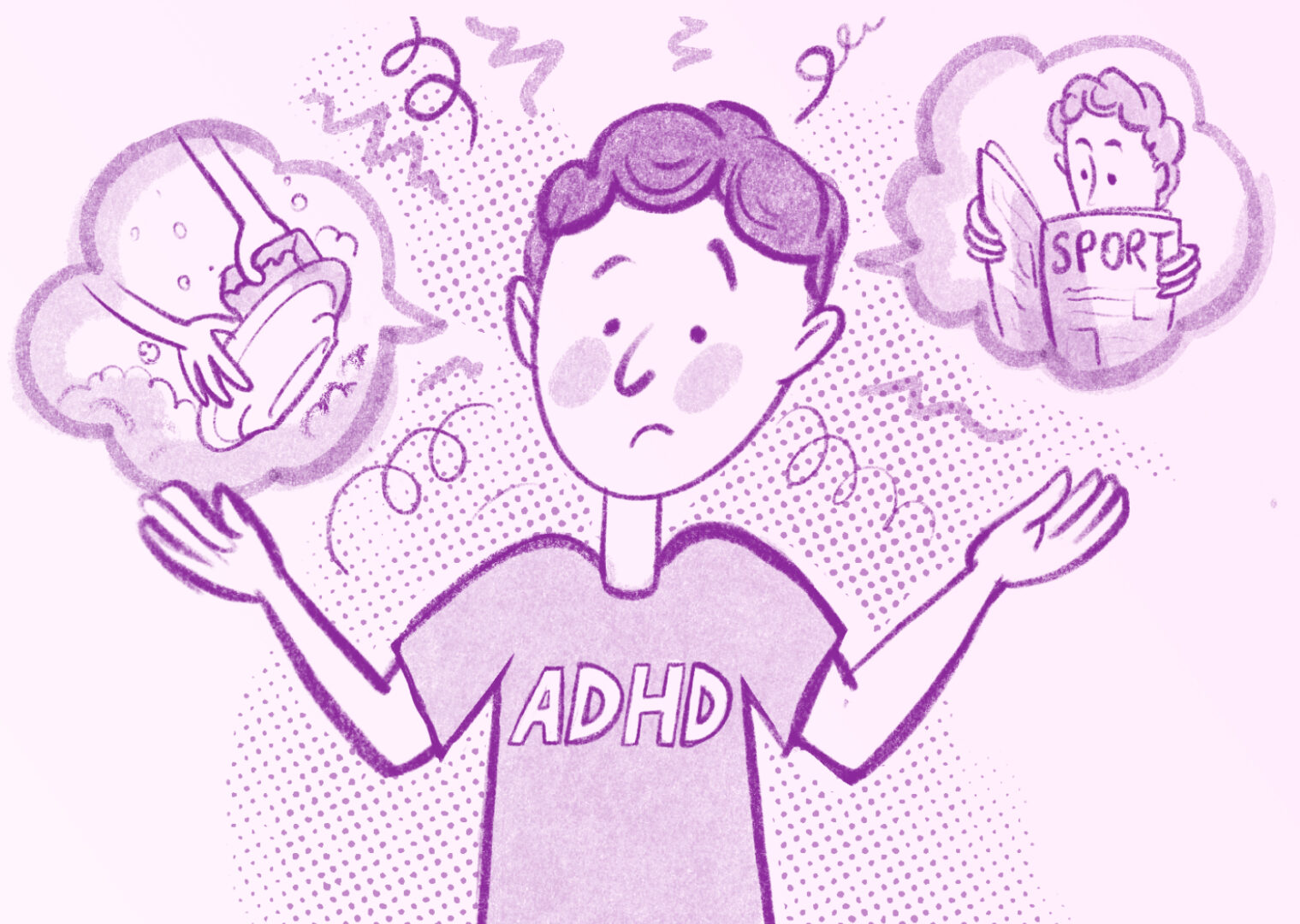
When you have ADHD, it is common to feel like your mind is managing several distinct challenges at once. Adults with ADHD frequently experience co-occurring conditions such as anxiety, low mood, sleep struggles, or learning differences alongside their core attention traits.
Why ADHD rarely travels alone
To understand how these overlapping experiences interact, it helps to look at what ADHD really is. ADHD affects how your brain regulates executive function, working memory, and emotional balance. Because living with these differences in a world built for predictable routines creates daily friction, your system works overtime just to manage baseline tasks.
Over time, that constant extra effort can create secondary challenges. You might develop persistent worry about missing appointments, or you might experience deep exhaustion from trying to keep your living space organized. In many cases, what feels like a separate mental health issue is actually a direct reaction to managing daily life with an unmanaged brain. In other cases, distinct neurological conditions exist right alongside your ADHD traits.
Recognizing the full picture matters because trying to address just one piece of your experience while ignoring the rest is like trying to fix a complex machine with only a single tool. When you understand how your traits overlap, you can choose strategies that actually fit your real daily patterns.
Anxiety as an accidental motor
Many adults learn to use anxiety as a coping strategy long before they receive an ADHD diagnosis. When executive function makes starting a difficult task feel impossible, panic becomes the fuel that forces action. You might find yourself waiting until the hours before a major project is due, allowing a spike of worry to override inertia.
While this mechanism gets things done in a pinch, it comes at a high cost. Relying on dread to complete basic tasks keeps your nervous system in a state of constant alarm. You might wake up every morning with a heavy sense of impending trouble, even when your calendar is clear and your tasks are manageable.
It helps to ask yourself whether your anxiety feels like a standalone issue or if it stems from the stress of keeping up with daily life. When worry revolves around forgotten emails, unpaid bills, or chronic lateness, it often points back to executive function strain. In those moments, understanding that procrastination is emotion regulation can help you move past shame and look at the underlying stress.
If executive function challenges are addressed, background anxiety often drops because daily routines feel less chaotic. However, if anxiety is a distinct companion that exists independently of your tasks, addressing it directly alongside your focus tools brings the most balanced relief.
Untangling low mood and emotional strain
Living with unaddressed ADHD can take a heavy toll on self-esteem over time. When you repeatedly struggle to finish projects or keep up with household chores, it is easy to misinterpret those struggles as personal shortcomings. Years of negative feedback at work, in school, or in relationships can turn into chronic low mood or mental burnout.
Low mood and ADHD often look similar on the surface. Both can leave you feeling low on energy, unmotivated, and unable to concentrate on your work. But their underlying causes are different. ADHD exhaustion usually comes from chronic cognitive overwhelm and the heavy mental load of trying to act like everyone else. Low mood often brings a general flat feeling where even your favorite hobbies lose their spark.
Emotional intensity also plays a significant role in how you process everyday events. Many adults experience sharp reactions to perceived failure or criticism, a pattern closely tied to understanding RSD. When small setbacks feel like major personal rejections, your daily energy drains rapidly.
Here are a few ways co-occurring traits manifest in daily routines:
- Physical tension: Holding stress in your shoulders, jaw, or stomach as you push through work tasks.
- Overwhelm loops: Feeling so paralyzed by a growing list of tasks that you shut down completely.
- Sleep disruptions: Lying awake at night as your mind replays past mistakes or worries about tomorrow.
- Hyper-vigilance: Constantly checking your calendar or inbox out of fear that you forgot something critical.
Learning differences and sensory overload
Attention traits are not the only brain variations that appear together. Many adults with ADHD also experience specific learning differences, such as difficulty processing long passages of text or keeping numbers organized in working memory. When these traits exist together, simple tasks like reading a contract or creating a monthly budget take twice as much energy.
Sensory processing is another area where overlaps happen frequently. You might find bright overhead lighting, background chatter in an open office, or uncomfortable clothing so overwhelming that holding a train of thought becomes exhausting. What looks like an attention problem might actually be your nervous system reacting to an environment that is simply too loud or visually busy.
Recognizing your sensory limits allows you to adjust your physical space rather than blaming yourself for a lack of willpower. Small changes like wearing noise-canceling headphones, adjusting display brightness, or breaking long text files into smaller chunks can free up valuable mental bandwidth for the task in front of you.
Finding clarity and building practical support
Sorting out overlapping conditions takes time, observation, and patience with yourself. You do not need to figure out every single layer of your mind overnight. Start by taking casual note of when your hardest moments occur during the week.
Notice whether your worry spikes when a specific deadline approaches, or if it stays constant regardless of what is on your schedule. Notice whether your energy rebounds after a night of restful sleep or after clearing a cluttered work table. Pay attention to how your body responds to different environments and workloads.
When you talk with a healthcare provider or coach, bring these practical observations with you. A clear picture of your daily habits, energy shifts, and emotional triggers gives clinicians the context they need to help you. Addressing one key challenge often creates a positive ripple effect that makes managing the others much easier.
How Untangle can help
If your mind feels crowded by competing tasks and anxious thoughts, offloading them into a safe place is an effective way to reset. Untangle includes a feature called Brain dump where you can type or speak everything on your mind without worrying about organization. Aaron, the in-app coach, organizes those scattered thoughts into a practical, step-by-step plan so you can focus on one manageable task at a time.
This guide is educational and is not medical advice. Talk to a qualified clinician about your own situation.
Frequently asked questions
Can anxiety be caused by ADHD?
Yes, anxiety is very common in adults with ADHD. It often develops as a reaction to chronic stress, missed deadlines, and the executive function strain of managing daily life. For many, anxiety acts as an artificial driver to start tasks when focus is hard to find.
How do I know if I have depression or ADHD burnout?
ADHD burnout comes from long-term mental strain, overworking, and executive dysfunction, often improving with rest and reduced load. Low mood or depression usually involves a deeper loss of interest in activities you normally enjoy. A professional can help clarify how they interact.
Should I address ADHD or anxiety first?
It depends on how the two traits interact for you. Addressing executive function often reduces anxiety caused by disorganization. However, if anxiety is severe or separate from daily tasks, working on both alongside a clinician provides the most balanced support.
Keep reading
Understanding RSD
Learn what rejection sensitive dysphoria ADHD feels like, why emotional pain feels physical, and practical tools to reality test your thoughts.
What ADHD Really Is
Learn what ADHD really is beyond common myths. Discover how an interest-based nervous system impacts executive function, focus, and daily task initiation.
How to Use an ADHD Brain Dump to Clear Your Mind
Learn how an ADHD brain dump works, why your working memory gets overloaded, and practical steps to turn mental clutter into an organized daily plan.
Thoughts & Reflections