Busting the Biggest ADHD Myths
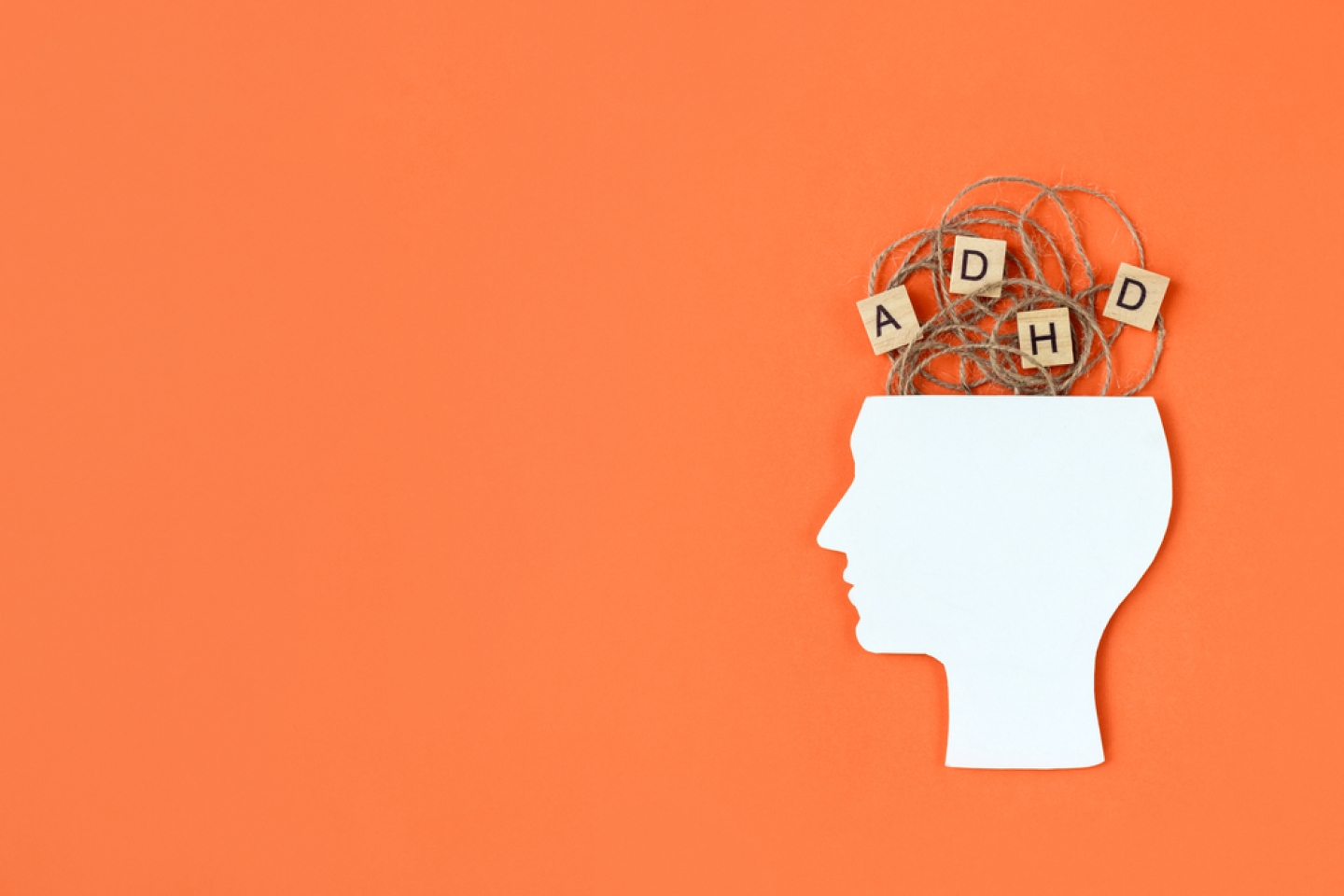
Many common beliefs about ADHD, from labeling it as simple laziness to assuming it only affects hyperactive young boys, completely misunderstand how executive function works. When you separate common myths from the reality of how your brain regulates attention and effort, you can stop blaming yourself and start building strategies that actually work.
Living with adult ADHD often comes with years of accumulated self-doubt. You might wonder why simple daily chores like opening mail or folding laundry feel like climbing a mountain, while complex personal projects can grab your interest for hours at a time. When society tells you that focus is purely a matter of willpower, it is easy to internalize that message. Understanding what ADHD actually is helps you reframe those daily struggles with clarity and self-compassion.
Myth 1: ADHD is just a lack of willpower or laziness
Laziness is a deliberate choice to avoid doing effortful work when you have the capacity and energy to do it. Task paralysis in ADHD is entirely different. You can sit at your desk for two hours, desperately wanting to write an email, submit a report, or pay an overdue bill, while feeling completely frozen. Your body remains still, but your mind is working over capacity with stress and frustration.
This difficulty happens because ADHD affects how the brain manages signals related to motivation, task initiation, and effort allocation. When a task lacks immediate novelty, clear feedback, or pressing urgency, your brain struggles to generate the activation energy needed to begin. Calling this struggle laziness completely ignores the heavy mental energy spent trying to force yourself into motion.
Using shame as a motivator only makes this barrier higher. When you tell yourself you are lazy, your stress levels rise, which makes initiating tasks even harder. If you want to read more about why starting feels so difficult, take a look at our guide on adhd task paralysis. Recognizing that your difficulty with starting tasks stems from executive functioning rather than a character flaw is the first step toward breaking the cycle of self-criticism.
Myth 2: ADHD only affects hyperactive young boys
For decades, popular media framed ADHD as a childhood pattern marked by constant physical motion, running around classrooms, and visible impulsivity. While some individuals do experience high levels of physical hyperactivity, many adults and women experience internalized symptoms instead.
Instead of physical restlessness, adult hyperactivity often looks like a mind that continuously races, especially when you are trying to wind down for sleep. It can look like persistent inner tension, chronic mental exhaustion, jumping rapidly between open browser tabs, or interrupting people because your thoughts move faster than the conversation. Because these symptoms happen internally, adults often go years without realizing that their daily fatigue stems from managing unaddressed executive dysfunction.
Many adults spend years masking these struggles by working extra hours to make up for lost time or maintaining rigid control over their schedules. Exploring common adult adhd symptoms helps highlight how varied the condition really is. Recognizing that restlessness can live inside your mind rather than your body allows you to seek support that matches your actual experience.
Myth 3: Focus is impossible when you have ADHD
A widespread misunderstanding is that ADHD creates a total absence of attention. In reality, ADHD involves difficulty with regulating and directing attention, not a complete lack of it.
When you find a topic or project that genuinely sparks your interest, your brain can lock on with intense absorption. You might spend five uninterrupted hours writing code, organizing a closet by color, or researching an obscure historical event, completely losing track of time, hunger, or physical comfort. This deep state of flow is known as hyperfocus.
The struggle occurs when trying to direct attention toward routine, familiar, or repetitive responsibilities. Your nervous system relies heavily on interest, urgency, and novelty to regulate focus. When a task lacks those elements, manually forcing your attention requires an exhausting amount of mental energy. You can learn more about working with these intense focus cycles in our guide on harnessing hyperfocus. Attention in ADHD acts less like a steady light bulb and more like a spotlight that moves on its own terms.
Myth 4: If you hold a job, you cannot have ADHD
Many adults assume that having ADHD means complete chaos across every area of life. Because of this myth, people who manage to keep a stable career, earn a degree, or run a household often dismiss their own struggles. They assume that because they are surviving, their internal exhaustion is normal.
In reality, many adults develop high-stress coping mechanisms to compensate for executive function challenges. You might rely on extreme perfectionism, over-preparing for meetings, working late into the night, or living in constant hyper-vigilance to avoid missing details. While these strategies can keep things running on the surface, they come at a heavy cost to your energy, well-being, and mental health.
Recognizing that success does not disprove executive dysfunction allows you to seek better support. You do not have to wait for everything to fall apart before you deserve tools that make daily life easier.
How internalized myths hurt your daily life
Believing these common misconceptions does more than create misunderstandings in conversations with friends or coworkers. It directly impacts how you view your own worth, potential, and capabilities every single day.
When you believe that struggling to start a project means you lack character, you start using anxiety and emergency deadlines as your only motivators. You delay tasks until the pressure becomes unbearable, creating a draining cycle of burnout and temporary relief. When you believe you should be able to focus effortlessly on anything, you experience constant guilt every time your mind wanders during a long meeting or lecture.
Over time, these internal beliefs build a heavy emotional load. You might hesitate to apply for promotions, avoid starting creative projects, or step back from social commitments out of fear that you will fail or let people down. Dismantling these myths allows you to stop using self-blame as your main driver for getting things done. If you find yourself constantly measuring your progress against others, our piece on ending the comparison trap offers helpful strategies for building self-trust.
Practical shifts to replace myths with clear action
Once you stop viewing executive function challenges through the lens of moral failure, you can begin constructing systems that align with how your brain operates.
- Shrink the initial effort: When a task feels overwhelming, reduce the starting step until it feels laughably easy. Opening a blank document or placing one dish in the sink counts as genuine progress.
- Design for visual clarity: Keep active projects and tools visible on your desk or screen so you do not have to rely entirely on working memory to remember them.
- Work alongside others: Working in the presence of another person, whether in person or in a quiet online space, makes routine tasks feel less mentally exhausting.
- Honor your natural energy rhythms: Pay attention to the specific times of day when your focus naturally peaks, and schedule your most demanding work for those windows.
How Untangle can help
Untangle is designed around the reality of how ADHD brains work rather than how traditional planners assume they should work. If you struggle with task paralysis or feel frozen by long to-do lists, Untangle features Tiny steps. This tool breaks your large, intimidating tasks into small, clear actions, making sure every task starts with a simple 5-minute first step. By lowering the friction to get started, you can move past hesitation without relying on stress or guilt.
This guide is educational and is not medical advice. Talk to a qualified clinician about your own situation.
Frequently asked questions
What is the biggest myth about ADHD?
The idea that ADHD is simply laziness or a lack of willpower is one of the most common myths. ADHD involves executive dysfunction that affects task initiation and effort regulation, making starting tasks difficult regardless of how much you want to do them.
Can adults develop ADHD later in life?
ADHD symptoms are present from childhood, but many adults are not diagnosed until later in life. As adult responsibilities multiply, existing coping mechanisms may no longer keep up, making executive function struggles much more visible.
Why can people with ADHD focus on some tasks but not others?
ADHD affects attention regulation rather than an inability to focus. When a task is novel, interesting, or urgent, the brain easily enters hyperfocus. Routine or repetitive tasks struggle to command that same natural activation energy.
Keep reading
ADHD Task Paralysis: Why You Freeze and How to Move
Stuck staring at a simple task you cannot start? Learn why ADHD task paralysis happens and practical ways to unfreeze your brain today.
Common Adult ADHD Symptoms
Learn about common adult ADHD symptoms, from internal restlessness and time blindness to priority confusion, and find practical ways to manage them.
Ending the Comparison Trap
Learn how the adhd comparison trap distorts your progress, why comparing your chaos to others' highlight reels hurts, and how to build your own baseline.
Thoughts & Reflections