Common Adult ADHD Symptoms
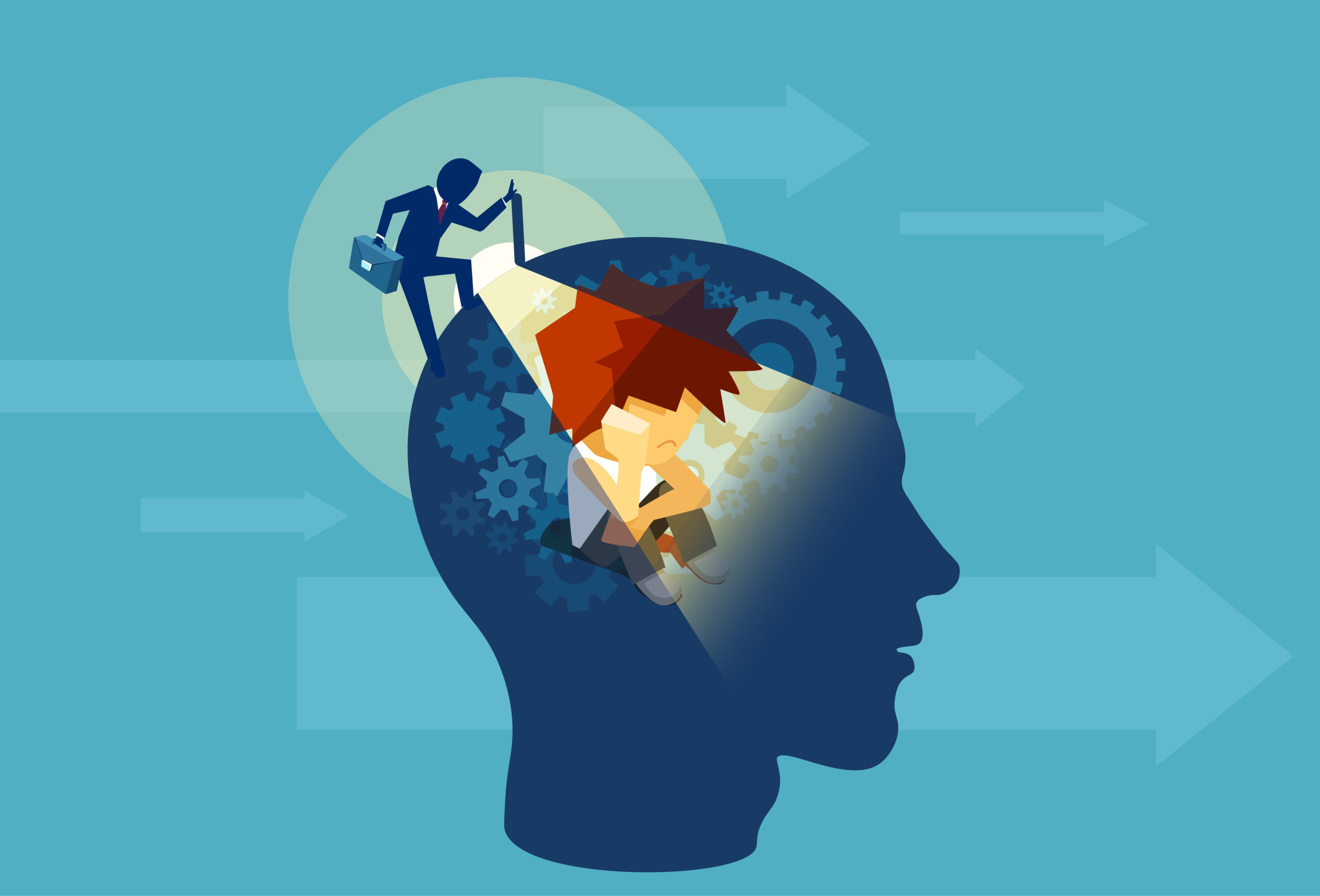
Common adult ADHD symptoms often look very different from childhood symptoms, showing up as internal restlessness, time blindness, priority confusion, and the mental exhaustion of trying to hide these struggles. While children might run around a room, adults are more likely to experience a racing mind, chronic lateness, and a constant feeling that every item on their to-do list is equally urgent.
Understanding how these traits manifest in everyday adult life is the first step toward building practical systems that work with your brain instead of against it.
From physical hyperactivity to internal restlessness
In adults, physical hyperactivity often transforms into a persistent sense of internal restlessness. You might sit quietly in a business meeting or on the couch, but your mind is sprinting through dozens of competing thoughts. It can feel like an internal motor that never shuts down, making quiet relaxation surprisingly difficult to achieve.
This internal drive shows up as constant mental chatter, switching back and forth between unfinished projects, or feeling uncomfortable during slow moments. When you try to sit down and rest, you may experience a physical urge to check your phone, tidy a counter, or organize a drawer. Your body stays in one place, but your attention remains in motion.
This constant internal activity often leads to profound mental fatigue by late afternoon. You might not be physically tired from labor, but your brain has been running at high speed since you woke up. Learning what adhd really is helps reframe this internal noise as a difference in how your brain regulates attention and stimulation, rather than a lack of discipline.
Time blindness and the struggle with scheduling
Time blindness is one of the most common and disruptive symptoms for adults with ADHD. It is not a sign of laziness or a lack of respect for other people. Instead, it is a difficulty perceiving the passage of time in a predictable, intuitive way. For many people with ADHD, time exists in only two states: now and not now.
This manifests in daily, practical frustrations. You might estimate that getting dressed, finding your wallet, and walking to the car will take five minutes, when in reality it takes twenty. Or you might get so absorbed in a project that three hours pass without you realizing a single hour has gone by.
Time blindness also creates a frustrating state known as waiting mode. If you have an appointment or meeting at two in the afternoon, you might find yourself unable to start any meaningful task at eleven in the morning. Your brain freezes because it cannot accurately gauge how much work fits into that three-hour window. Using simple visual trackers and low-effort tools for time blindness can help bridge the gap between how time feels and how fast it actually moves.
Priority confusion and task paralysis
When you look at a long to-do list, your brain may process every single task with the exact same level of urgency. Paying an overdue utility bill, answering a routine work email, buying trash bags, and starting a major report all pull at your focus with identical strength. When everything feels critical, deciding what to do first becomes exhausting.
This confusion over priorities frequently leads to task paralysis. You might stand in the middle of a cluttered room or stare at your computer monitor, completely frozen by the sheer volume of choices. Because your brain struggles to organize and rank tasks automatically, it shuts down to protect itself from sensory and cognitive overload. You might end up scrolling on your phone or organizing pens instead of starting the high-priority work sitting in front of you.
Over time, this cycle consumes massive amounts of mental energy. You spend your day deciding what to do rather than actually doing it. Managing this prioritizing when everything is urgent struggle requires simple external frameworks that take the decision-making burden off your mind.
The hidden toll of adult ADHD masking
Many adults spend years developing complex coping mechanisms to hide their internal disorganization from coworkers, friends, and family. This effort is known as masking. On the outside, you might appear calm, high-achieving, and well-organized. You might double-check every document ten times, set endless calendar alerts, or stay late at the office every night to fix small mistakes you fear making.
While masking helps you navigate professional and social spaces, it demands a massive amount of cognitive energy. It is like paddling furiously under water while trying to maintain a smooth, peaceful appearance on the surface. You expend double the effort of those around you just to keep up with daily routines.
Masking often leads to deep exhaustion, burnout, and persistent self-doubt. You may constantly fear that if someone sees the clutter in your living room, your unread inbox, or your internal panic, they will judge you harshly. Recognizing where you mask allows you to replace exhausting performance with functional tools that support your actual needs.
Working memory drops and daily friction
Working memory acts as your brain's temporary notepad. It holds small pieces of information just long enough for you to complete an immediate action. In adults with ADHD, this temporary notepad frequently clears itself without warning.
You walk into a room and instantly forget why you went there. You open a browser tab to look up an address, get distracted by a headline, and completely forget what you were searching for. You place your car keys inside a random cabinet, leave your coffee on top of the car, or spend twenty minutes looking for the phone that is sitting in your pocket.
These frequent drops in working memory cause constant daily friction. They transform simple tasks into drawn-out scavenger hunts. When your morning begins with lost keys and forgotten items, your stress level spikes before your day has even started. Learning strategies for working around working memory helps reduce this friction by placing structural supports in your physical environment.
Practical ways to support your everyday routine
Managing adult ADHD is not about forcing your brain to function like a neurotypical mind. It is about creating low-friction routines that accommodate how your brain naturally directs attention. Here are several practical strategies to help make daily tasks more manageable:
- Externalize your thoughts: Write down ideas, reminders, and tasks immediately using a physical notebook or digital tool instead of trying to hold them in your head.
- Shrink your initial steps: When a task feels too big, reduce the first step to something tiny that takes less than two minutes, like opening a document or gathering supplies.
- Set visual reminders: Use visible cues, such as sticky notes on your mirror or alarms with descriptive labels, to keep key priorities in sight.
- Establish single-purpose spaces: Keep essential everyday items, such as your wallet, keys, and glasses, in one designated basket near your front door.
- Build in transition buffers: Schedule extra time between calendar events so you can move from one task to the next without feeling rushed.
How Untangle can help
When your mind feels crowded with competing tasks and racing thoughts, sorting through everything on your own can feel impossible. Untangle offers a calm space to clear your head. With the Brain dump feature, you can type or speak every thought, errand, and worry as it comes to mind. Aaron, the in-app coach, then helps turn that raw stream of thoughts into a clear, prioritized plan, allowing you to take action without feeling overwhelmed by decision-making.
This guide is educational and is not medical advice. Talk to a qualified clinician about your own situation.
Frequently asked questions
What are the most common ADHD symptoms in adults?
Adult ADHD often shows up as internal restlessness, time blindness, priority confusion, working memory drops, and masking. While children often exhibit physical hyperactivity, adults tend to experience racing thoughts, chronic lateness, task paralysis, and emotional fatigue from trying to keep up with daily demands.
How does adult ADHD differ from childhood ADHD?
Childhood ADHD often presents with visible physical hyperactivity, like running around or struggling to stay seated. In adults, hyperactivity usually shifts inward, manifesting as continuous mental chatter, anxiety, difficulty relaxing, and trouble managing time or switching between complex responsibilities at work and home.
What is ADHD masking in adults?
ADHD masking is the effort to hide executive dysfunction symptoms to appear calm, organized, and capable. Adults might overcompensate by working long hours, setting excessive reminders, or constantly checking their work. While it helps maintain appearances, masking often leads to severe mental exhaustion and burnout over time.
Can you develop ADHD as an adult?
ADHD is a neurodevelopmental condition present from childhood, but symptoms are frequently overlooked or masked until adulthood. Increased responsibilities, like managing a career, household, or finances, often overwhelm early coping strategies, making ADHD symptoms noticeable for the first time later in life.
Keep reading
Prioritizing When Everything is Urgent
Learn how prioritizing when everything is urgent becomes manageable with ADHD. Discover practical strategies to clear mental noise and focus.
What ADHD Really Is
Learn what ADHD really is beyond common myths. Discover how an interest-based nervous system impacts executive function, focus, and daily task initiation.
ADHD Workplace Accommodations: Practical Setup Guide
Discover practical ADHD workplace accommodations that help you focus, organize tasks, and manage overwhelm without unnecessary stress at work.
Thoughts & Reflections